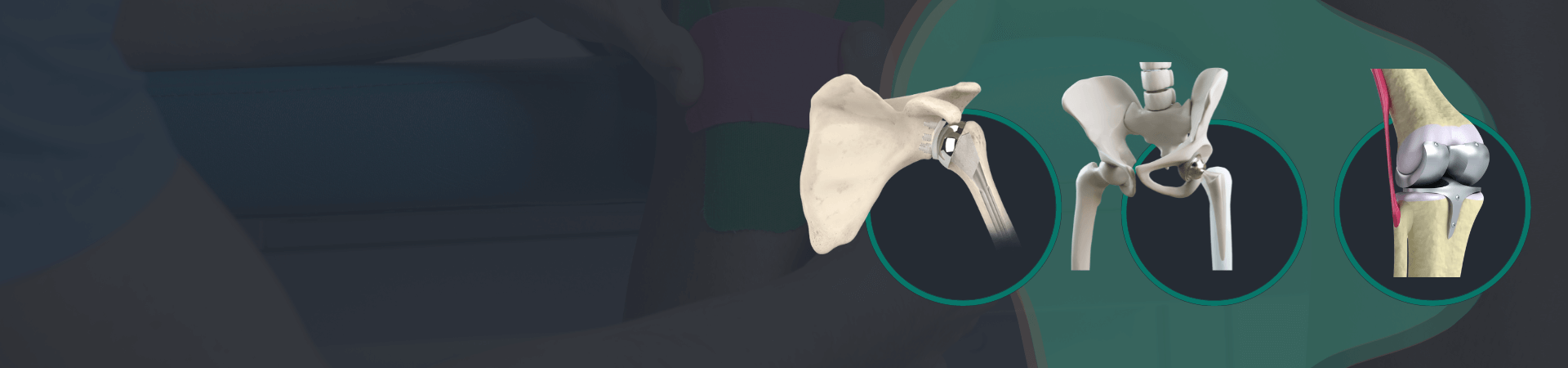
Knee and hip replacement surgeries have changed the lives of many individuals by restoring their mobility and relieving them of chronic joint pain. The key to the success of these surgeries, to a large extent, depends on one thing: ensuring that the implant is placed in just the right position. If the artificial joint is properly aligned, it can move in a manner similar to that of a natural joint, in sync with the body’s alignment, and without putting any additional strain on it. This is what makes all the difference and ensures the highest success rates. With the best doctor for knee replacement, you can have a near-perfect knee replacement surgery.
Even the slightest deviation can cause imbalance, instability, and uneven wear and tear. Position is very important. It helps maintain smooth motion, reduces pain, accelerates recovery, and promotes long-term success. In today’s joint replacement surgery, precision is no longer a secondary aspect but a primary one.

Various Ways in Which Implant Accuracy Affects the Success of Knee and Hip Replacement

Precision is necessary for the successful installation of knee and hip implants. When the joint is in its proper position, it moves smoothly and wears down less with age. Even a slight discrepancy in the joint will impact comfort as well as the longevity of the implant.
  • Correct alignment of the joint
Getting the joint aligned properly is essential to align with the natural body. When properly aligned, the body is evenly distributed without putting pressure on other joints. However, when the joint is not properly aligned, the wear and tear on the joint becomes uneven, which can increase the pain and potentially lead to more serious problems such as chronic pain and degeneration of the joint. The total hip replacement surgery in Jaipur can help you align your joint to its best form.
  • Reduced implant wear and tear
Positioning implant parts correctly is very important. It reduces unusual resistance as the joint moves. With everything in the right place, the risk of early onset wear, loosening, or failure of the prosthetic joint decreases. Paying close attention to how the joint is positioned will improve the function and life of the joint. This will enable patients to live pain-free and active lives for many years.
  • Faster recovery and better comfort
If the implant is properly fitted and working well, patients can expect to have less pain, improved balance, and easier movement as they heal. When the implant is properly aligned, it also reduces pressure on the muscles and ligaments surrounding the area, which helps the healing process.
  • Smoother range of motion
When implants are placed in the correct position, they work just like natural joints. This accurate positioning enables a person to move their limbs freely, walk easily, sit comfortably, and perform their daily tasks with renewed confidence and freedom. Therefore, they experience enhanced freedom of movement and quality of life.
  • Improved joint function
When the implants are properly placed, they function like natural joints, allowing you to move, walk, and bear weight in a smooth manner. On the other hand, if the implants are not positioned properly, it may lead to restricted movement, which will reduce the effectiveness of the implants as well as the comfort of the individual.
Ref: https://www.utsouthwestern.edu/newsroom/articles/year-2024/may-robotic-knee-replacement.html

Conclusion

The proper selection of the size of the implants in knee and hip replacement surgery is critical for a successful procedure. When accuracy is a concern, the joints will be properly positioned, and the result will be the reduction of the risks of potential pain and complications in the future. For patients, accuracy means greater mobility and faster recovery.