Email: support@roboticsbydrkhatri.com
 Call: +918696097555

Common Myths About Robotic Surgery — Busted by Experts!
Posted By Robotics By Dr. Khatri • Dec 20, 2025
Technology is an integral part of our lives. The progress it has attained in the last few decades is remarkable. All sectors rely primarily on technology. The medical industry falls into this category, as it largely depends on technology. Did you know that the orthopedic surgical robot market in India generated USD 27.5 million in 2023 and is expected to reach USD 57.3 million by 2030? (Source) This is evidence enough of the popularity of robotic surgery within the country of India. If you are struggling with the effects of arthritis or problems within your knees, the Orthopedic Robotic Surgery in Jaipur is the most effective treatment that will help you regain movement.
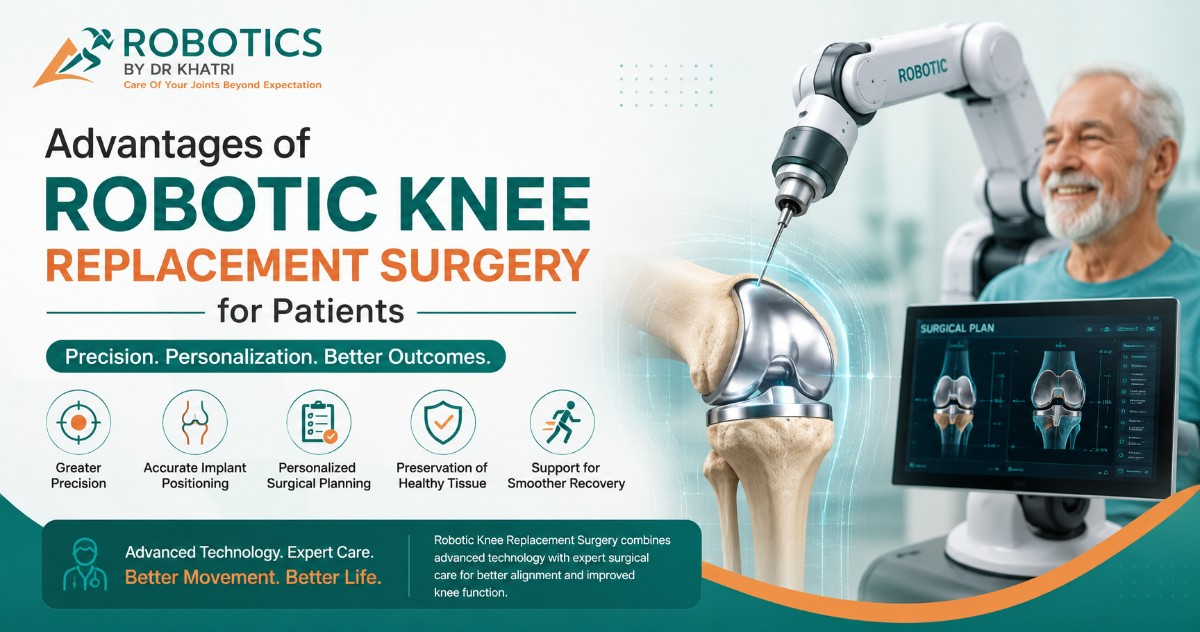
Robotic surgery is one of the most revolutionary technologies in contemporary medicine, allowing for greater precision, reduced scar tissue, and faster healing time for many surgical procedures. While it is true that a growing number of facilities around the world are embracing this innovation, there exist many myths about it among the community, particularly the patients. These myths arise generally because of a misunderstanding of the innovation and its usage by surgeons. This article aims to give you a clearer explanation of such myths and their bases. We shall begin with the topic. Shall we?
Various Common Myths about Robotic Surgery
Knowing about robotic surgery is essential for making informed healthcare decisions. Robotic surgery is a tool used by trained surgeons; it is not a robot that acts on its own. Clearing up misunderstandings about robotic surgery can help patients feel more confident about it.
1. Robots perform surgery without a surgeon’s presence.
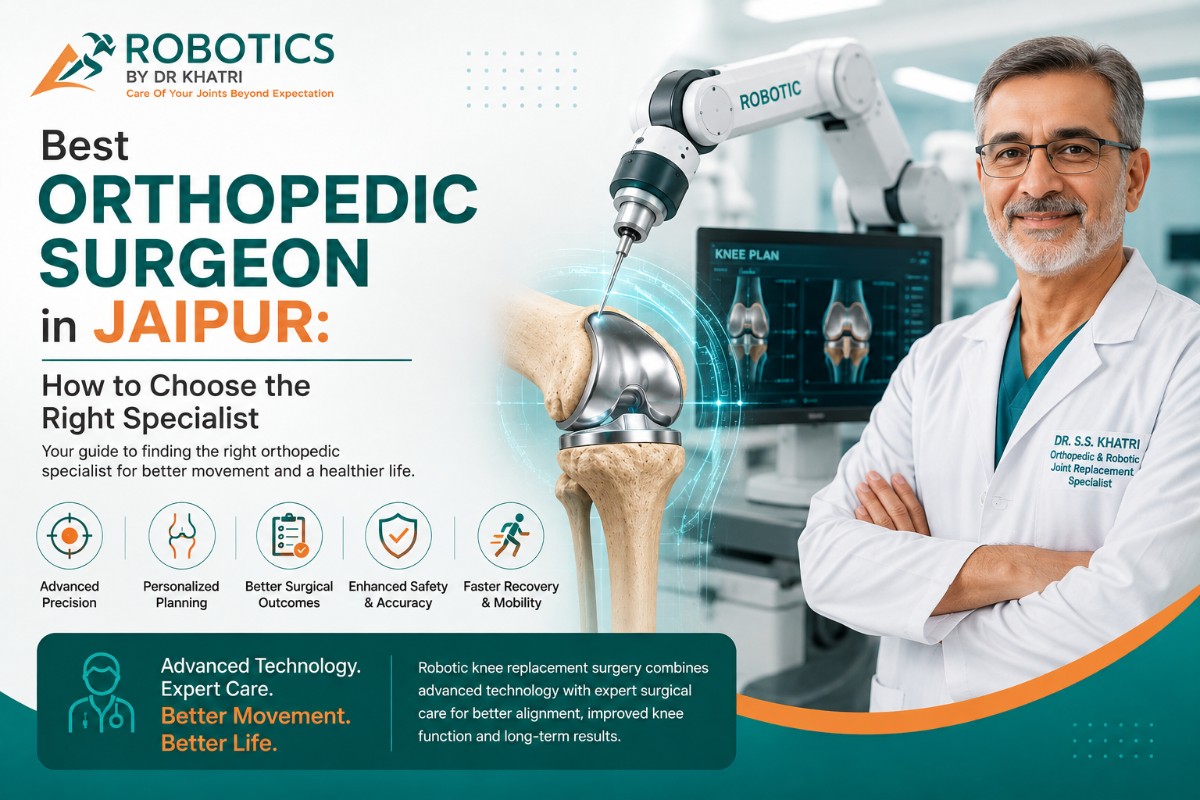
In reality, robotic surgery is robot-assisted surgery in which the surgeon maintains all control. The surgeon controls the robot outside the body, and the robot replicates those movements inside, creating a master-slave relationship. The robot enhances the surgeon’s abilities. For robotic surgery to be successful, the surgeon’s experience and skill are essential. Are you experiencing a ligament or sports injury? Then you should consult the best orthopedic robotic surgeon in Jaipur, who is supervised by a skilled physician. Also, you will get relief soon.
2. Robotic surgery is riskier.
Robotic surgery is not riskier than traditional surgery by nature. Robotic surgery often decreases the risk associated with open surgery procedures like the risk of bleeding, infection, and complications associated with a large incision wound. Robotic surgery equipment provides the surgeon the ability to perform the procedure accurately and offers a high-definition three-dimensional vision system that minimizes the chances of human errors.Like any operation, the risks are determined by the patient’s condition and the surgeon’s skill, not by the technology.
3. It is way too expensive.
One common argument against the widespread use of robotic surgery is its high cost. Robotic systems may ultimately deliver cost savings, even if their initial setup and maintenance are costly. Shorter hospital stays, reduced postoperative care, and fewer complications may mitigate the initial expense.
4. This surgery is only experimental.
Robotic surgery is also considered to be a safe and effective procedure, according to many studies. It is also efficient for various types of surgery and has been shown to have fewer complications than open surgery. It is also evident that patients have better outcomes with robotic surgery compared to older surgical methods. If you are planning orthopedic robotic surgery but are confused, the best Orthopedic Surgeon in Jaipur can help.
5. The recovery process is longer in robotic surgery.
Some patients believe that using cutting-edge technologies may lead to a longer recovery period. However, the reverse is also true: recovery times are shorter. Robotic procedures require less recovery time than conventional techniques since they are minimally invasive and cause little to no damage to the surrounding tissues.
Conclusion
Robotic surgery fears are primarily based on myths and not factual information. When experienced surgeons perform robotic surgery, they enhance accuracy and safety. This promotes positive results and rapid recovery. With this understanding, the patient is able to make well-informed decisions rather than being clouded with misconceptions concerning the technology as well as its functioning. Taking the advice of the expert ensures that the patient embarks on robot-assisted surgery without fear but confidence.