- Open Time 24 hour
- Call: +91 86960-97555
- Email: support@roboticsbydrkhatri.com


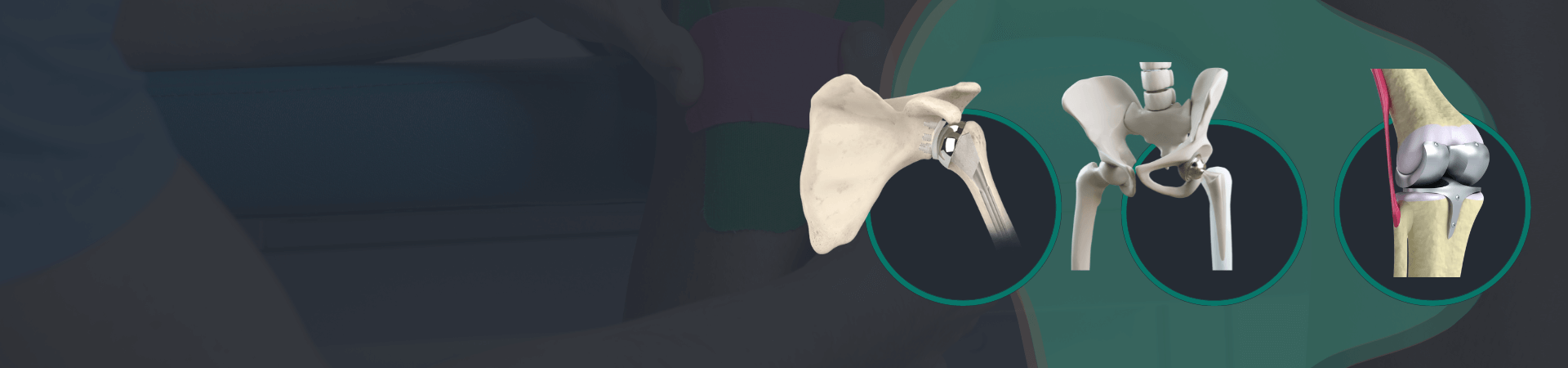
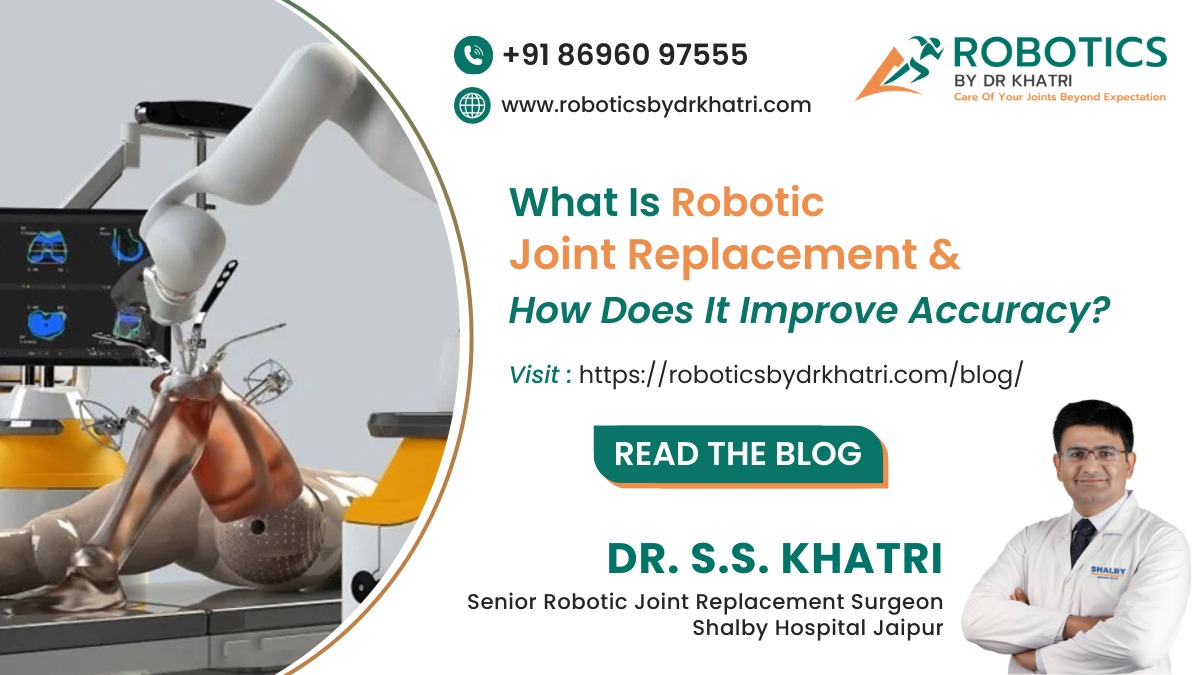
Joint replacement has transformed countless lives by offering better movement and quality of life. But traditional knee replacement can involve a very long recovery, which in itself may make people think twice about doing it. Thankfully, advancements in technology have developed a new option: robotic joint replacement. This method has changed how the surgery is performed. If you’re thinking about a knee replacement, a skilled robotic knee replacement surgeon in Jaipur can help you achieve a successful result.
But what is robotic joint replacement? Robotic-assisted joint replacements use 3D planning before surgery and computer guidance during the operation. With robotic tools that provide feedback, surgeons can carefully remove damaged bone and cartilage and fit artificial joints more accurately. This process also helps to save healthy tissue.
During surgery, the robotic system provides real-time feedback and precise guidance. It helps surgeons in the proper execution of plans. The technology ensures that there are exact bone cuts, correct implant placements, and proper joint alignments. It, therefore, limits mistakes and minimizes risks. Patients benefit through better joint functionality, longer-lasting implants, and predictable surgical outcomes.
Various Ways to Improve the Accuracy of Robotic Joint Replacement
Robotic joint replacement aids surgeons in accurately placing implants through advanced imaging and computer-guided planning. This results in better alignment, improved joint function, and more reliable outcomes.Patient-specific 3D surgical planning
In a robotic joint replacement surgery, advanced images are taken through a process such as a CT scan or even an X-ray. The images provide a 3D representation of the patient’s own joint. With this precision, surgeons can easily determine the best size and design to match the patient’s own anatomy, providing the patient with a perfect solution to their own joint difficulties. If you are planning to do a robotic knee surgery, then do it in a clinic that specializes in the best knee replacement surgery.- Millimeter-level precision
- Improved implant alignment and balance
- Preservation of healthy bone and tissue
- Real-Time intraoperative guidance