- Open Time 24 hour
- Call: +91 86960-97555
- Email: support@roboticsbydrkhatri.com


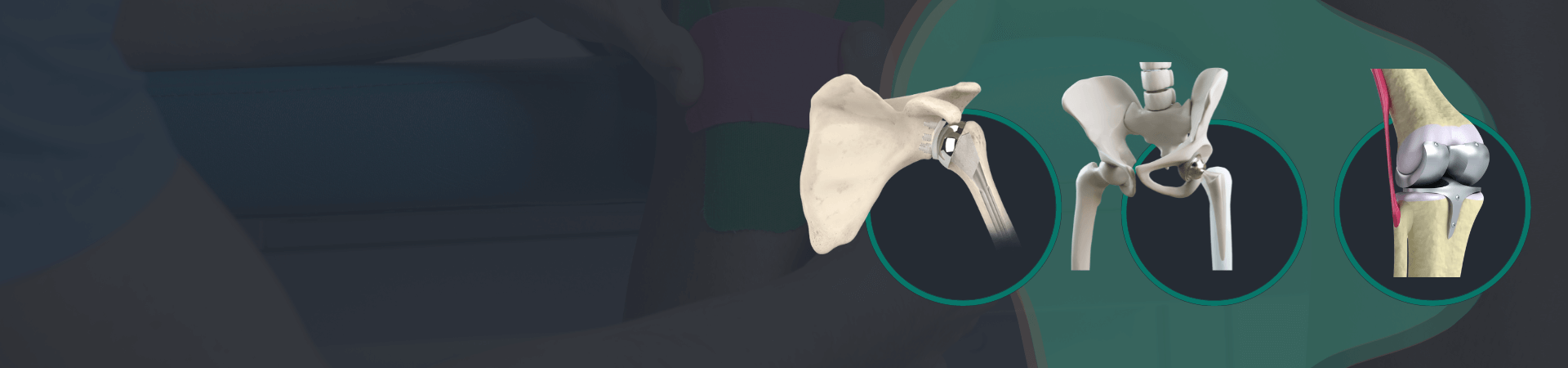

Living with hip pain can be exhausting. When every step, every bend, or even sitting down feels uncomfortable, life starts to shrink around that pain. For many people, hip replacement surgery becomes a way to take life back to walk without hesitation and move without fear.
If you or someone you love has been advised to consider hip replacement surgery, this guide explains everything you need to know from what the surgery involves and how long it takes, to the recovery timeline, costs in India, and what to expect week by week.
What Is Hip Replacement Surgery?
Hip replacement surgery (also known as total hip arthroplasty) is a medical procedure that replaces the damaged or worn-out parts of your hip joint with artificial implants. The hip joint is a ball-and-socket joint the “ball” at the top of your thigh bone (femur) fits into a “socket” in your pelvis. When arthritis, injury, or age-related wear damages this joint, simple movements can become painful or stiff. A hip replacement removes those damaged parts and replaces them with smooth, durable materials (often metal, ceramic, or high-grade plastic). The goal is simple: restore movement and relieve pain.Types of Hip Replacement Surgery
Not all hip replacements are the same. The right type depends on your condition, age, bone quality, and lifestyle.1. Total Hip Replacement (THR):
Both the ball and socket are replaced. This is the most common and effective procedure.2. Partial Hip Replacement:
Only the femoral head (ball) is replaced. Usually done after a fracture or limited joint damage.3. Hip Resurfacing:
Instead of removing the entire ball, the surface is trimmed and capped with metal. Preferred for younger, active patients.4. Minimally Invasive or Robotic Hip Replacement:
Advanced techniques using smaller incisions and precision-guided tools for faster recovery and improved alignment. Modern technology, especially robot-assisted hip replacement allows orthopedic surgeons to perform the surgery with remarkable accuracy. This helps minimize soft tissue damage and speeds up recovery.How Long Does a Hip Replacement Take?
A hip replacement usually takes about 1 to 2 hours, depending on the surgical technique and whether it’s a total or partial replacement. During this time:- You’ll receive anesthesia (spinal or general).
- The surgeon removes the damaged bone and cartilage.
- The artificial joint components are securely fitted in place.
- The incision is closed and dressed.
Hip Replacement Recovery Time: What to Expect
Recovery after hip replacement is a gradual process but with the right care, most patients regain mobility and independence faster than they expect. Here’s a week-by-week recovery guide.Week 1: Immediate Post-Surgery Phase
- You’ll stay in the hospital for 3–5 days.
- Pain and swelling are normal, but controlled through medication.
- Physiotherapists begin gentle exercises to strengthen muscles and prevent stiffness.
- You may start walking with a walker or crutches by the 2nd or 3rd day.
Week 2–3: Early Recovery at Home
- Most patients are discharged with clear exercise instructions.
- You’ll slowly increase your walking distance and movement.
- Stitches or staples (if any) may be removed around this time.
- You’ll likely need assistance at home but will start feeling stronger each day.
Week 4–6: Regaining Independence
- Pain should significantly reduce by now.
- You’ll start moving more comfortably- climbing stairs, bathing, and doing light chores.
- Physiotherapy continues to focus on strengthening hip muscles and improving flexibility.
Week 7–12: Building Strength and Endurance
- You’ll resume most normal activities and feel like yourself again.
- Some mild stiffness or soreness after long walks is normal.
- Regular physiotherapy helps in maintaining range of motion and strengthening the joint.
After 3 Months: Full Recovery Phase
By the end of 3–6 months, most patients enjoy a pain-free hip joint and full range of motion. You can return to driving, light jogging, or cycling (after your surgeon’s approval). Consistency with physiotherapy and lifestyle adjustments is key. Avoid high-impact activities like running or jumping unless specifically cleared by your doctor.Recovery Tips for Faster Healing
Here are some patient-tested tips that help speed up hip replacement recovery:- Follow your physiotherapy schedule; even small daily exercises make a big difference.
- Eat a balanced, protein-rich diet; it helps tissues and muscles repair faster.
- Avoid sitting too low or crossing your legs; these can strain the new joint.
- Keep the incision area clean and dry; follow all wound-care instructions.
- Get regular follow-ups; your surgeon will monitor healing and alignment.
- Stay positive and patient; mental readiness plays a huge role in recovery.
What Influences Recovery Time?
Each patient heals differently, but a few key factors affect how quickly you bounce back:- Age and general health
- Type of surgery (traditional vs. minimally invasive)
- Pre-surgery activity level
- Post-surgery rehabilitation
- Weight and bone health
The Role of Robotics in Hip Replacement
Modern orthopedic surgery has evolved dramatically. Robot-assisted hip replacement uses real-time imaging and computerized mapping to help surgeons achieve near-perfect implant positioning. This precision leads to:- Better alignment and longer implant life
- Less pain and faster recovery
- Minimal scarring and reduced hospital stay