- Open Time 24 hour
- Call: +91 86960-97555
- Email: support@roboticsbydrkhatri.com


Reasons for hip replacement surgery
Hip Replacement Surgery is recommended when non-surgical treatments no longer offer relief. Surgery may be advised for the following reasons:
- Reduce chronic hip pain
- Restore smooth joint movement
- Improve joint stability and posture
- Correct joint deformity caused by arthritis or injury
- Enhance overall mobility and walking ability
- Improve comfort in daily activities and quality of life

Total hip replacement surgery
Hip Replacement Surgery is usually considered when hip pain and stiffness start affecting everyday life and other treatments such as medicines, physiotherapy, or lifestyle changes are no longer helping. Many people choose Hip Replacement Surgery in Jaipur when walking, sitting, or even resting becomes uncomfortable.
The main goal of Total Hip Replacement is to reduce pain and improve movement. Most patients find that daily activities become easier again after recovery, though the results can vary from person to person based on overall health and rehabilitation effort.
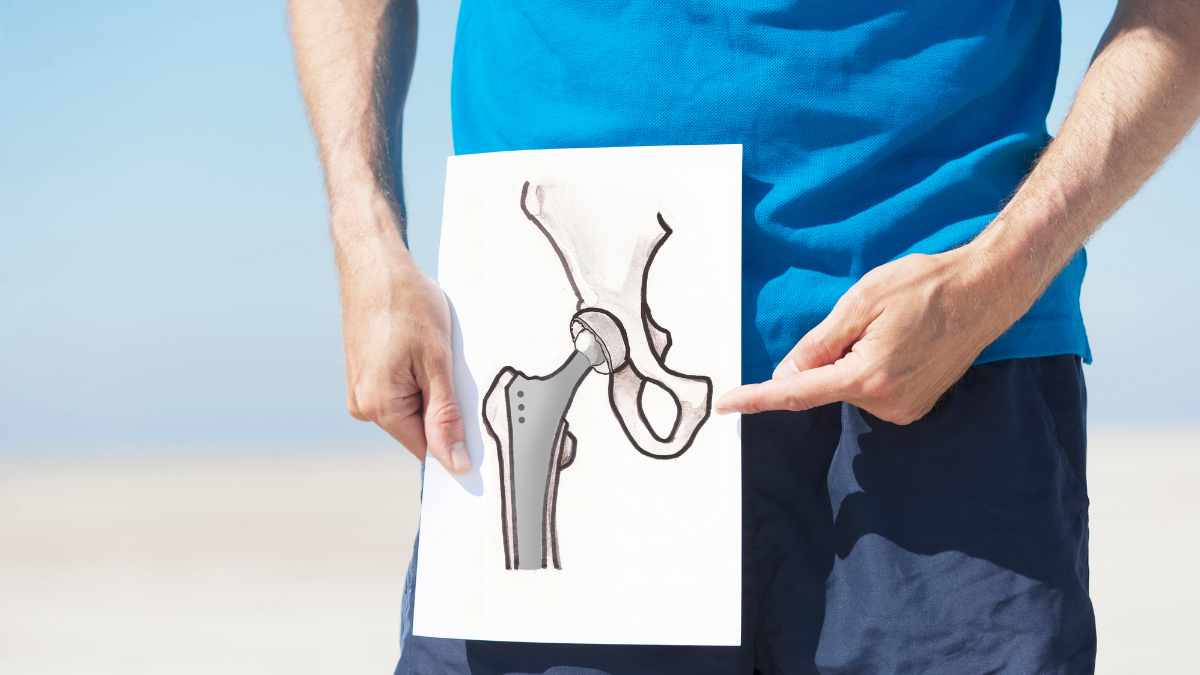
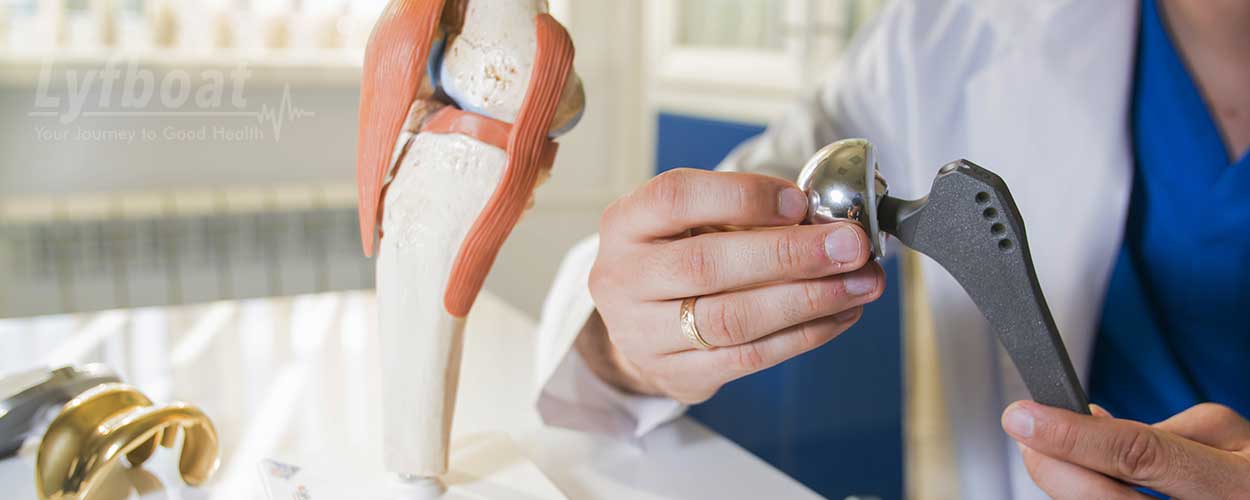
In this surgery, the damaged parts of the hip joint are removed and replaced with artificial components. These usually include a metal stem and ball that fit into the thighbone, a cup placed in the hip socket, and a smooth liner between them that allows the joint to move comfortably. In some cases, Robotic Hip Replacement Surgery may be used to support accurate implant placement. The exact technique and implant choice are decided by the Hip Replacement Surgeon in Jaipur, based on the patient’s condition and needs.
There are different Types of Hip Replacement Surgery, and the doctor will recommend the most suitable option after evaluating the hip joint and overall mobility.
Robotic Hip Replacement Surgery in Jaipur
High-Precision Hip Replacement Surgery
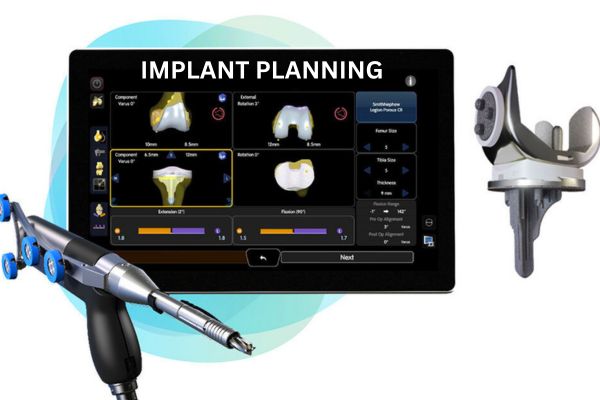
In Robotic Hip Replacement Surgery, advanced imaging technology is used to create a detailed 3D model of the patient’s hip joint. This digital model helps the surgeon plan the procedure with accuracy and determine the ideal size, position, and alignment of the hip implant.
By guiding the surgeon during the operation, the technology supports more precise bone preparation and implant placement. This careful alignment can help the new joint move more naturally, which may reduce discomfort after surgery and contribute to smoother, more confident movement during recovery.
Safe Hip Replacement Surgery
In Robotic Hip Replacement Surgery, the enhanced precision helps reduce the chances of surgical errors and supports safer implant placement. Because the technology guides the surgeon with a high degree of accuracy, the procedure can often be performed through smaller incisions. This may help minimize disturbance to surrounding muscles and tissues.
As a result, many patients report reduced discomfort in the early recovery period and may be able to return to daily activities sooner compared to traditional hip replacement techniques.

Faster Recovery & Long-Term Relief from Hip Pain
The minimally invasive approach used in Robotic Hip Replacement Surgery can support a smoother recovery process. Many patients experience less discomfort after the procedure and are able to return to walking and daily activities sooner compared to traditional hip replacement methods.
This quicker recovery helps patients regain mobility, confidence, and independence, allowing them to resume their routine lifestyle with greater comfort and improved long-term hip function.
Lasting Relief and Natural Hip Movement
Clinical experience and ongoing research suggest that Robotic Hip Replacement Surgery can support accurate implant positioning, which may contribute to stable joint movement over the long term. Many patients report improved mobility and comfort during daily activities in the years following surgery.
These outcomes highlight the potential of robotic-assisted techniques to provide consistent, dependable results for individuals needing Hip Replacement Surgery, helping them return to an active and independent lifestyle.
Customized Implant Positioning for Better Comfort
Every person’s hip joint has its own unique shape, size, and movement pattern. Robotic Hip Replacement Surgery allows the surgeon to plan the implant placement according to the patient’s individual anatomy. This personalized approach helps achieve a more natural joint fit and alignment.
With better fitting and smoother joint motion, patients may experience improved comfort, stability, and ease in daily activities, supporting a better quality of life after recovery.

Jaipur’s Best Hip Replacement Surgeon
Jaipur is recognized as a key center for advanced orthopedic care in Rajasthan. Over the years, treatment for hip pain and mobility issues has improved significantly, and Hip Replacement Surgery has become a reliable long-term solution for severe arthritis, joint degeneration, or hip injury.
Being a medical hub, Jaipur has several experienced hip surgeons, and Dr. S. S. Khatri is among the well-known names in this field, providing patient-focused care and modern surgical techniques.
Hip Replacement Surgery Process
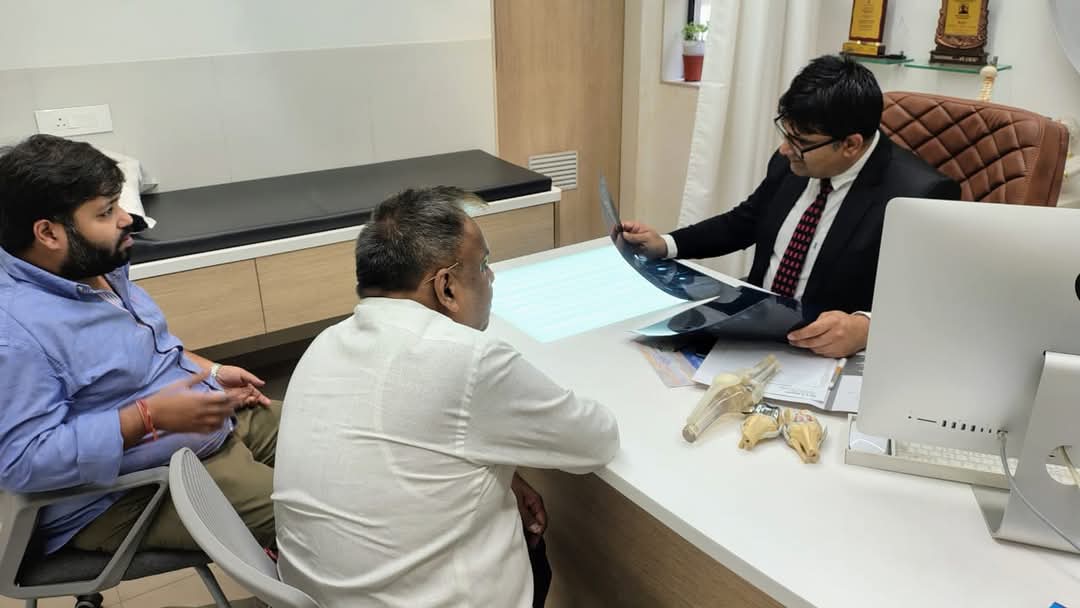
Initial Consultation: Your surgeon will review your medical history, previous health conditions, medications, and overall lifestyle impact of hip pain. Pre-operative X-rays or scans are performed to assess joint health and determine the most suitable treatment plan.
Physical Examination: A detailed check-up is done to evaluate joint movement, muscle strength, and walking pattern. The doctor ensures that you are medically fit to undergo surgery and may advise additional tests if required.
Medical Preparation: In some cases, blood tests and general health evaluations are recommended before surgery. If needed, arrangements for blood availability may be made for safety during the procedure.
Physiotherapy Guidance: Patients are introduced to simple exercises to strengthen surrounding muscles before surgery. Physiotherapy planning after surgery is also explained in advance to help ensure a smooth and successful recovery.
During Robotic Hip Replacement Surgery, the process begins with your surgeon capturing detailed imaging of your hip joint. This imaging helps create a custom 3D model of your hip, allowing the surgeon to study how your joint is shaped and how it moves. With this model, the surgeon can carefully plan the procedure in advance, including selecting the right implant size and the ideal alignment for your hip.
After the planning phase, a robotic-assisted handheld device is used in the operating room. This device works alongside the surgeon, guiding the bone preparation with a high level of precision. By following the mapped-out plan, the surgeon can accurately shape the bone so the implant fits securely and moves smoothly. The goal of using this technology is to support stable implant placement, natural joint movement, and a reliable surgical outcome.
Download Discharge Instructions

Recovery after Hip Replacement Surgery

Postoperative Recovery and Early Rehabilitation
Once the hip replacement surgery is completed, you’ll spend some time in a recovery area where your medical team monitors your vital signs and comfort level as the anesthesia wears off. When you are fully awake and stable, you’ll be moved to your room for continued care and observation.
It’s normal to feel soreness or tightness around the hip area in the initial days, this is part of the healing process. Pain-relief medication and cold therapy may be used to keep you comfortable. Your surgeon or nurse will also check the surgical site regularly to ensure the incision is healing well.
Guided movement begins soon after surgery, often within the first 24 hours. A physiotherapist will teach you gentle exercises that help maintain blood circulation, prevent stiffness, and begin restoring strength in your leg and hip muscles. These early steps set the foundation for smoother recovery, better joint function, and improved confidence when you start walking again.

Rehabilitation After Hip Replacement Surgery
The outcome of your hip replacement surgery greatly depends on how well you follow your surgeon’s and physiotherapist’s guidance during the early weeks of recovery. Each patient heals at a different pace factors like muscle strength, flexibility, balance, and pain tolerance play a vital role in determining how quickly you regain mobility. Regular follow-up appointments allow your surgeon to monitor healing progress and make adjustments to your recovery plan if necessary.
Successful rehabilitation requires active participation and commitment. Your physiotherapy sessions will focus on strengthening the hip muscles, improving joint movement, and restoring your ability to walk comfortably. Some discomfort during therapy is normal, but consistent effort is key to achieving long-term results and restoring your independence.
Dr. S. S. Khatri, Senior Consultant- Orthopaedics, Joint Replacement & Robotic Surgery emphasizes that modern Robotic Hip Replacement Surgery has made recovery more predictable and precise. He also addresses many common concerns patients have after surgery, helping them gain confidence throughout their healing journey.
Benefits of robotic hip replacement
Advantages of robotic hip replacement surgery are significant:
Unmatched Surgical Precision
Personalized Surgical Planning
Faster Recovery and Less Pain
Improved Joint Function and Mobility
Long-Lasting Results and Reliability
Get Best & Affordable Treatment.
Get In Touch In The Mean Time.
Please contact us on the below mentioned number so as to help you fix your appointment. Kindly bring your X rays if you have.
We are there for your emergency related to orthopedic condition and you may call us 24 x 7 on +91 86960-97555.
Mangalam Plus Medicity Hospital, Shipra Path,Mansarovar, Jaipur.
7 A Nemi Nagar Extension, Vaishali nagar, Jaipur 302021, Rajasthan
Get an Appointment
Read Our Latest News & Articles
Find out what’s new and get updates on treatments, procedures, incredible patient stories, and special cases in our blog section.