Hip Replacement
Hip replacement is most commonly recommended for severe osteoarthritis, but it’s sometimes used for inflammatory conditions such as rheumatoid arthritis or ankylosing spondylitis & AVN Hip or for problems with development of the hip during childhood. Hip surgery may also be needed for fractures of the hip, including those resulting from osteoporosis.
Do I need a hip replacement?
Having arthritis of the hip doesn’t definitely mean you’ll need a hip replacement. It may be worth considering surgery if your hip is severely damaged and the pain, disability or stiffness are having serious effects on your daily activities.
Possible advantages?
Freedom from pain can be the main advantage of surgery, along with improved mobility and better quality of life. You’ll have some pain from the surgery to begin with but you should start to notice improvements soon after the operation.
How long will a new hip joint last?
Hip replacements should last for more than 20 years in 8 out of 10 patients. In more active patients the joints may wear out more quickly. It’s usually possible to have further hip replacements if needed, although the results may not be quite as good as with your first hip replacement.
Considering Hip Replacement?
Having arthritis of the hip doesn’t definitely mean you’ll need a hip replacement. Your doctors will always try other measures before suggesting a hip replacement-for example, painkillers, physiotherapy and/or walking aids, or occasionally a steroid injection into the hip joint. But it may be worth considering surgery if your hip is severely damaged and the pain, disability or stiffness are having serious effects on your daily activities.
There are no upper or lower age limits for having hip replacement surgery, although the younger you are when you have surgery, the greater the chances that your new joint will eventually wear out.
How does it work?
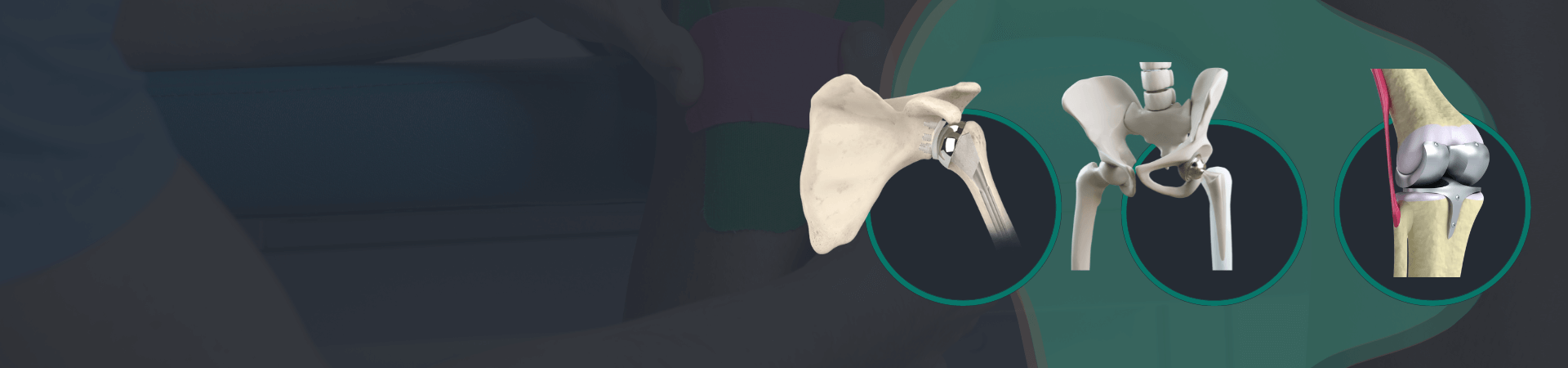
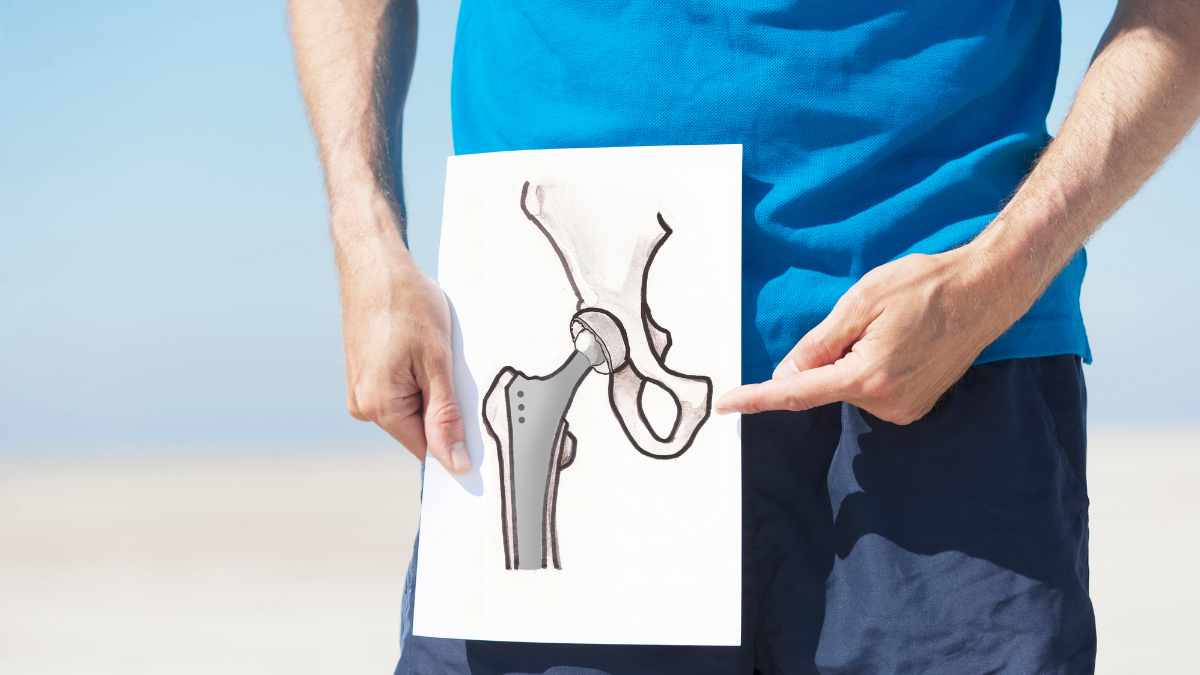
The hip is a ball-and-socket joint, which allows a wide range of movement. Arthritis damages the cartilage- covered surfaces of the joint so the ball moves less. smoothly and less freely within the socket. In a hip replacement or resurfacing operation, our surgeon replaces the damaged surfaces with artificial parts, which may be made of metal, plastic (polythene) or ceramic.
Types of Hip Replacement?
There are two main types of hip replacement operation, but a number of different components (parts) and surgical techniques (methods) may be used.
Total Hip Replacement
In a total hip replacement, part of the thigh bone (femur) including the ball (head of femur) is removed and a new, smaller artificial ball is fixed into the rest of the thigh bone. The surface of the existing socket in the pelvis (the acetabulum) is roughened so an artificial socket that will join up (articulate) with the new ball can be fitted.
Many artificial joint components are fixed into the bone with acrylic (a type of plastic) cement, but it’s becoming more common for one part (usually the socket) or both to be inserted without cement, especially in more active patients. If cement isn’t used, the surfaces of the implants are roughened or specially treated to encourage bone to grow onto them. Bone is a living substance and, as long as it’s strong and healthy, it’ll continue to renew itself over time and provide a long-lasting bond. Where only one part is fixed with cement, it’s known as a hybrid hip replacement.
Hip Resurfacing (Metal on Metal)
Resurfacing the original socket and the ball of the thigh bone is a different form of hip replacement. Instead of removing the head of the thigh bone and replacing it with an artificial ball, a hollow metal cap is fitted over the head of the thigh bone. The socket part of the joint is also resurfaced with a metal component.
People who have this type of operation have a lower risk of dislocation and may be able to return to a higher level of physical activity compared with those having a conventional hip replacement. This type of hip surgery is linked with a release of metal particles from the joint replacement materials, which may cause inflammation in the nearby tissues and have unknown effects on your general health.
How should I prepare for surgery?
It’s advisable to make sure your general health is as good as it can be before your operation, for example blood pressure control and diabetes management. It’s advisable to make sure your general health is as good as it can be before your operation, for example blood good as it can be before your operation, for example blood pressure control and diabetes management. It’s also a good idea to have a dental check-up and get any problems dealt with well before your hip surgery. This is because there’s a risk of infection if bacteria from dental problems get into the bloodstream.
How quickly you get back to normal after surgery depends on many factors, including your age, your general health, the strength of your muscles and the condition of your other joints.
Recovery Starts Right Away
- Walk in the hospital after surgery
- Use of assistive device for few weeks.
- Do physical therapy as guided
- Get healthy before surgery
- Prevent Infection
Continue reading “Do I need a hip replacement?”




 Conclusion:
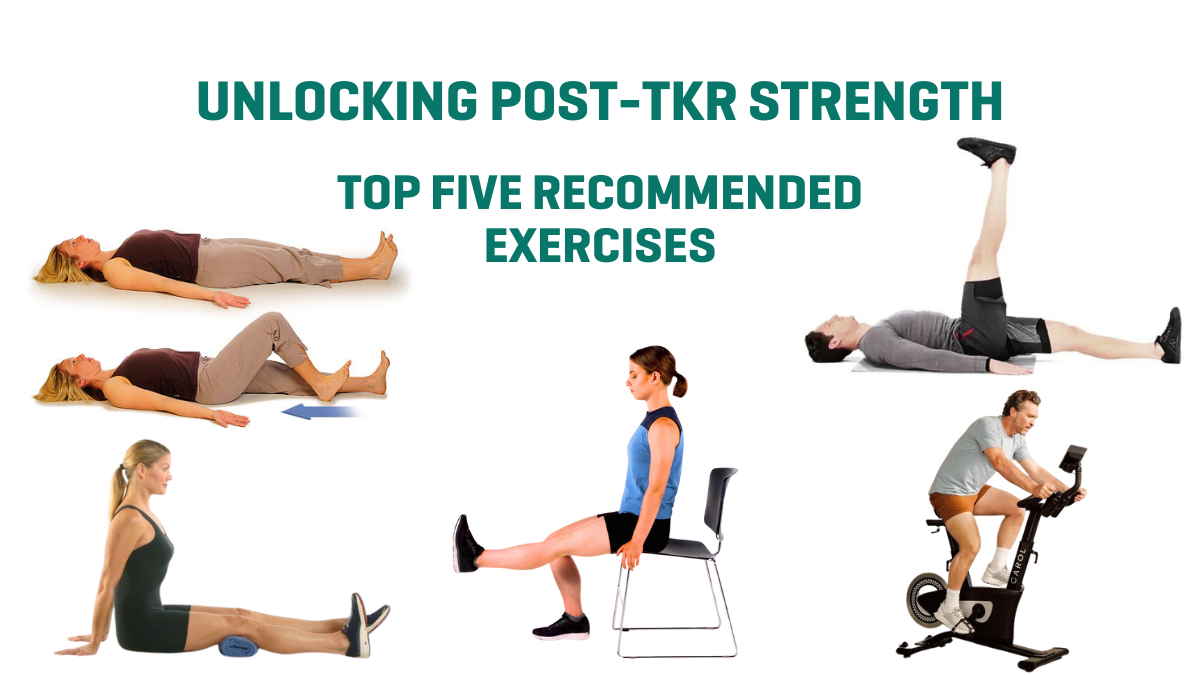
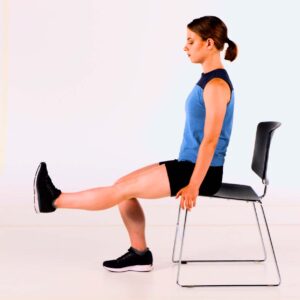
Recovery after Total Knee Replacement requires a holistic approach, and Dr. S. Khatri’s recommended exercises are designed to address various aspects of rehabilitation. It’s crucial to consult with your healthcare provider before starting any exercise routine and to progress at your own pace. By incorporating these exercises into your daily routine, you’ll be on the path to regaining strength, flexibility, and a renewed sense of well-being after your TKR.
Conclusion:
Recovery after Total Knee Replacement requires a holistic approach, and Dr. S. Khatri’s recommended exercises are designed to address various aspects of rehabilitation. It’s crucial to consult with your healthcare provider before starting any exercise routine and to progress at your own pace. By incorporating these exercises into your daily routine, you’ll be on the path to regaining strength, flexibility, and a renewed sense of well-being after your TKR.