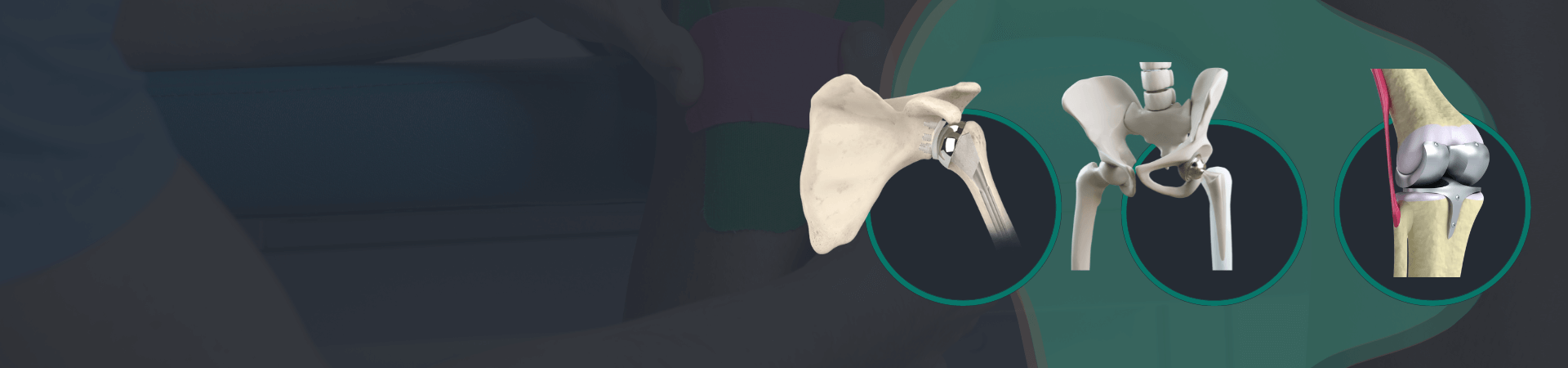
Total Hip Replacement: When Do You Really Need It?

Your hips are a crucial part of your daily activities. They assist you in climbing stairs, getting out of bed, bending down to tie your shoelaces, and even taking a walk. Pain in your joints makes even the simplest of tasks a challenge. What starts as occasional stiffness can turn into a constant source of pain, making it difficult for you to move around and affecting your quality of life. It is essential to get on top of these problems as soon as possible to regain your freedom of movement and improve your quality of life. If you are planning to undergo hip replacement surgery, a reliable total hip replacement surgery in Jaipur can help you. Total hip replacement is often the best option when pain and joint damage make it hard to do daily activities, and other treatments like medicine, therapy, or lifestyle changes don’t help. It’s important to know when surgery is the right option. This procedure not only helps reduce pain but also allows you to move more freely, gain independence, and live without constant limitations.

Signs That Show That You Need a Total Hip Replacement

Total hip replacement is a surgical option for those whose chronic hip pain and stiffness hinder daily activities. When medications and therapy fail to provide relief, surgery may help restore mobility and improve quality of life.
  • Persistent, severe hip pain
If the pain in the hip area persists for a long time and even affects daily activities such as walking, sitting, and sleeping, then it could be a sign of serious damage to the joint. If your hip pain is restricting your movements and reducing your quality of life, it might be the right time to think about further treatment. A best hip replacement surgeon in Jaipur can help you through this.
  • Advanced osteoarthritis
Osteoarthritis is the most common cause of people requiring hip replacement surgery. It causes the wear and tear of the cartilage in the hip joint, and once the cartilage is worn out, the hip joint starts rubbing against each other, causing immense pain and stiffness. Even simple tasks may become difficult, and your quality of life may be affected.
  • Hip fractures or injury
Severe fractures, especially hip fractures, can be very challenging for senior citizens. If the fracture is too severe for normal treatment, hip replacement surgery might be required. This procedure can be a real lifesaver for those with injuries that restrict the way they move.
  • Pain at rest or during sleep
If you are experiencing pain that persists even when you are resting or sleeping, this could be an indication of severe damage to your joints. Such pain is an indication that your joints have deteriorated to the point where inflammation and damage are restricting your movements, which is an indication of how serious the problem is.
  • Reduced quality of life
If your hip pain is interfering with your life goals, your exercise routine, or your social interactions, then hip replacement surgery may be an option to consider. Ref: https://internalmedicine.usc.edu/blog/is-it-time-for-a-hip-replacement/

Conclusion

If your hip pain persists, you find yourself not being able to move around as you would like, and other options have not worked, a total hip replacement may be the way to go. The overall idea of this surgery is to reduce your pain and improve your independence and quality of life. You should discuss this with an orthopedic surgeon. They can assist you in weighing the pros and cons and help you make a decision about when surgery is the right thing to do.

How Implant Accuracy Affects the Success of Knee and Hip Replacement

Knee and hip replacement surgeries have changed the lives of many individuals by restoring their mobility and relieving them of chronic joint pain. The key to the success of these surgeries, to a large extent, depends on one thing: ensuring that the implant is placed in just the right position. If the artificial joint is properly aligned, it can move in a manner similar to that of a natural joint, in sync with the body’s alignment, and without putting any additional strain on it. This is what makes all the difference and ensures the highest success rates. With the best doctor for knee replacement, you can have a near-perfect knee replacement surgery. Even the slightest deviation can cause imbalance, instability, and uneven wear and tear. Position is very important. It helps maintain smooth motion, reduces pain, accelerates recovery, and promotes long-term success. In today’s joint replacement surgery, precision is no longer a secondary aspect but a primary one.

Various Ways in Which Implant Accuracy Affects the Success of Knee and Hip Replacement

Precision is necessary for the successful installation of knee and hip implants. When the joint is in its proper position, it moves smoothly and wears down less with age. Even a slight discrepancy in the joint will impact comfort as well as the longevity of the implant.
  • Correct alignment of the joint
Getting the joint aligned properly is essential to align with the natural body. When properly aligned, the body is evenly distributed without putting pressure on other joints. However, when the joint is not properly aligned, the wear and tear on the joint becomes uneven, which can increase the pain and potentially lead to more serious problems such as chronic pain and degeneration of the joint. The total hip replacement surgery in Jaipur can help you align your joint to its best form.
  • Reduced implant wear and tear
Positioning implant parts correctly is very important. It reduces unusual resistance as the joint moves. With everything in the right place, the risk of early onset wear, loosening, or failure of the prosthetic joint decreases. Paying close attention to how the joint is positioned will improve the function and life of the joint. This will enable patients to live pain-free and active lives for many years.
  • Faster recovery and better comfort
If the implant is properly fitted and working well, patients can expect to have less pain, improved balance, and easier movement as they heal. When the implant is properly aligned, it also reduces pressure on the muscles and ligaments surrounding the area, which helps the healing process.
  • Smoother range of motion
When implants are placed in the correct position, they work just like natural joints. This accurate positioning enables a person to move their limbs freely, walk easily, sit comfortably, and perform their daily tasks with renewed confidence and freedom. Therefore, they experience enhanced freedom of movement and quality of life.
  • Improved joint function
When the implants are properly placed, they function like natural joints, allowing you to move, walk, and bear weight in a smooth manner. On the other hand, if the implants are not positioned properly, it may lead to restricted movement, which will reduce the effectiveness of the implants as well as the comfort of the individual. Ref: https://www.utsouthwestern.edu/newsroom/articles/year-2024/may-robotic-knee-replacement.html

Conclusion

The proper selection of the size of the implants in knee and hip replacement surgery is critical for a successful procedure. When accuracy is a concern, the joints will be properly positioned, and the result will be the reduction of the risks of potential pain and complications in the future. For patients, accuracy means greater mobility and faster recovery.

Life After Total Hip Replacement: Mobility, Lifestyle & Precautions

Total hip replacement surgery brings a new and hopeful beginning. Patients can easily experience reduced pain, ease of movement, and independence. Prior to the surgery, patients were unable to perform daily tasks such as walking and climbing stairs due to chronic pain in the hip region. After the surgery and the subsequent recovery process with the best hip replacement surgeon in Jaipur, patients can easily regain their mobility and confidence. After total hip replacement surgery, you can expect to have improved mobility, and it is necessary that you modify your lifestyle and take the right steps to ensure success. To protect your new joint, maintain a healthy weight, engage in low-impact exercises, and follow your doctor’s advice. Balance movement and care for a vibrant life post-hip replacement with fewer restrictions.

Understand Life After Total Hip Replacement

Total hip replacement usually provides pain relief and better mobility for daily activities. Taking proper care of yourself after hip replacement surgery is very important for ensuring that the result is not temporary.
  • Gradual return to movement
With proper care, most patients can start walking in one or two days after total hip replacement surgery in Jaipur. Physical therapy is an important part of regaining strength, mobility, and balance. Most patients can get back to their normal routine in 6 to 12 weeks.
  • Assistive devices
In the early recovery phase, using walkers, crutches, or canes can be crucial for getting around. These devices make the healing process easier for the joint that has just been surgically operated on. They provide support and balance, allowing the person to move safely while the joint gains strength and flexibility.
  • Maintain a healthy weight.
Having excess weight puts additional stress on the joints that have been replaced with artificial ones. This additional stress may cause pain and limit mobility. It is important to have a well-balanced diet to aid in the healing process and prolong the life of the joints.
  • Modify daily habits
Choose chairs that provide good support and have armrests for extra comfort and stability. Avoid low seating options because they can make it hard to stand up. If need be, consider adding safety rails to your bathroom to provide additional support to prevent slipping and falling, thus making the room easier to navigate.
  • Stay physically active
Low-impact exercises such as walking, swimming, and cycling are very healthy for you. These exercises will give you a gentle workout and will help you develop muscles around your joints, thus improving your balance. Incorporating these exercises into your daily routine will help improve your mobility, reduce the risk of injury, and still allow you to spend time outdoors.
  • Avoid high-impact activities
Activities such as running, jumping, or lifting heavy objects can damage your implant. These high-impact sports and exercises can increase the risk of injury and shorten the lifespan of the implant. It’s important to choose gentler forms of exercise to help your implant last longer and work better.
  • Watch for warning signs.
Swelling and redness around the affected area, along with intense pain and a persistent fever, may indicate an infection that needs attention. If you feel sudden, sharp pain or instability, report these symptoms right away, as they may signal a more serious problem. Ref: https://healthcare.utah.edu/orthopaedics/specialties/joint-replacement/patient-guide/after-hip-replacement

Conclusion

However, life after a total hip replacement can still be full of activity and joy if you continue to follow exercises for mobility, healthy habits, and safety precautions. With proper and continued care, patients can actually regain their independence and live a fuller and better life.

Recovery Timeline After Total Hip Replacement: What Patients Should Expect

Hip replacement surgery in Jaipur is a strong solution to hip pain and the return to full movement. For those suffering from arthritis, injuries, or overall joint problems, it is a major turning point and offers a new beginning in living life to the fullest. However, the process of recovery itself is a story to be told. The healing process does not occur overnight but takes place in stages, such as the early healing process, rehabilitation, and finally learning to move again. Accepting this process helps one live an active and fulfilling life. It is important to understand what happens after surgery. By understanding what is to come, patients are able to build confidence and a sense of control. Every step of the way, from assisted mobility to achieving independence, is an important part of the long-term success of hip replacement surgery. A recovery timeline helps patients create realistic goals following a hip replacement surgery. In this article, we will discuss what the recovery timeline looks like. Let’s start the topic. Shall we?

Various Recovery Timelines for The Total Hip Replacement that Patients Should Expect

Total hip replacement is a surgical plan that helps reduce pain and improve mobility. Recovery is a process that takes time, patience, therapy, and care. The knowledge of the recovery process will help patients set goals and take charge of their recovery.
  • Immediately after surgery
Most patients can stand or walk with assistance within 24 hours. Pain and swelling are expected, but medications are available to keep them in check. A physiotherapist will walk you through some exercises that will help increase blood flow and prevent stiffness. Most patients remain in the hospital for 2 to 4 days, depending on the pace of recovery. During this time, the emphasis is on walking, learning basic movements, and pain control. If you want a successful hip surgery, then visit the best hip replacement surgeon in Jaipur near your location.
  • Initial stage recovery
Using a walker or crutches gets easier each day. Daily physiotherapy builds strength in hip muscles and improves movement. Swelling goes down, and pain becomes much less. Patients can perform simple activities such as sitting, standing, and taking short walks more easily. With ongoing support, individuals can look forward to better mobility and greater confidence.
  • Intermediate recovery stage
Many patients find themselves slowly transitioning from walkers to canes and even to the point where they do not need any assistance at all. They experience dramatic improvements in muscle strength, balance, and coordination. Most patients are able to regain enough strength to go back to their desk jobs and perform light housekeeping chores. They can also resume driving with the doctor’s approval.
  • Full recovery stage
Most patients fully recover and regain their hip strength and stability. This improvement allows people to engage in low-impact activities such as walking, swimming, and cycling. Surgeons will gradually lift restrictions and provide medical advice to ensure a safe transition.
  • Long-term recovery
An artificial hip fits securely in place, and patients reach their peak muscle strength and flexibility. They experience significant long-term pain relief and improved mobility. Regular follow-up appointments ensure the implant remains healthy. Recovering from a total hip replacement takes time and effort. With proper care and rehabilitation, most patients can return to an active and pain-free life. In the next paragraph, we will provide you with some tips to help you recover from the issue.

Tips For Recovering from Total Hip Replacement Surgery

Sometimes people make minor mistakes after hip replacement surgery, which can delay recovery. Here are some tips to help you avoid these mistakes.
  • You need to do proper exercise or physiotherapy on a daily basis
  • You need to rest properly and have a clean diet.
  • You should not do any high-intensity workouts.
  • Patients also need to develop a healthy weight.
  • You need to visit your doctor for your follow-ups.
🔗 Reference Link: https://www.mayoclinic.org/tests-procedures/hip-replacement/about/pac-20385042

Conclusion

Total hip surgery can only be successful if people follow proper instructions and perform the recommended exercises. And while in the recovery phase, if you face any issues, feel free to visit your doctor. If you are planning to go with the procedure but need more information, visit Robotics by Dr. Khatri. They will help you understand the procedure in more detail.

When Should You Visit a Hip Replacement Surgeon in Jaipur During Winter? A Complete Patient-Friendly Guide

For many people in Jaipur and across Rajasthan, winter brings a familiar problem: a sharp increase in hip stiffness, joint pain, and mobility issues. While a mild ache on cold mornings is common, persistent or worsening hip pain may indicate something more serious than weather changes. If you have been searching for “hip replacement surgeon in Jaipur”, “best orthopedic doctor in Rajasthan”, or “hip pain increases in winter what to do”, this guide will help you understand exactly when it’s time to seek a specialist, what symptoms you should never ignore, and why early evaluation can protect your long-term mobility.

Why Does Hip Pain Get Worse in Winter?

Patients often ask orthopedic doctors in Jaipur why joint pain spikes as soon as temperatures drop. Based on current medical understanding:

1. Cold weather tightens muscles and joints

Low temperatures make muscles stiffer and reduce joint lubrication, causing discomfort during movements like walking, climbing stairs, or getting up from bed.

2. Decreased physical activity

Shorter days and colder mornings reduce daily movement, making joints less flexible.

3. Pre-existing arthritis becomes more noticeable

People with osteoarthritis or age-related wear and tear feel stronger pain because the joint capsule responds sensitively to temperature changes.

4. Low barometric pressure

Some research suggests decreased atmospheric pressure may increase swelling inside joints, amplifying pain. Winter pain is not unusual, but continuous or increasing pain is not considered normal.

When Should You Visit a Hip Replacement Surgeon in Jaipur?

Here are clear signs that winter hip pain requires expert assessment from an orthopedic specialist or hip replacement surgeon.

1. Pain lasts longer than 2–3 weeks

If the pain does not settle even after home care, warm compress, and adequate rest, consultation is essential.

2. You experience hip pain at night

Night pain especially on turning in bed is a strong red flag indicating joint damage or advanced arthritis.

3. Difficulty walking, bending, or climbing stairs

Movement difficulty is one of the earliest signs that the hip joint is deteriorating faster than normal.

4. Hip “locking,” “catching,” or “grinding” sensations

These sensations indicate structural damage in the hip joint and should never be ignored.

5. Pain radiating to the thigh, groin, or knee

Hip problems often cause pain in neighboring areas. If winter worsens the radiation, seek medical evaluation.

6. Dependence on painkillers

If you are using painkillers daily to get through routine activities, it is time for a proper orthopedic examination.

7. Previous diagnosis of arthritis

Patients with early arthritis in Jaipur and Rajasthan’s dry climate experience rapid progression if not monitored.

Role of a Hip Replacement Surgeon and Why Early Evaluation Helps

A hip replacement surgeon in Jaipur is not only meant for advanced or last-stage arthritis. Most specialists help patients manage early-stage symptoms, delay surgery when possible, and improve long-term joint function. A timely check-up can help in:
  • Assessing joint damage with X-ray or MRI
  • Recommending physiotherapy or lifestyle modifications
  • Prescribing medicines to reduce inflammation
  • Preventing the hip joint from worsening
  • Planning surgery only when absolutely necessary

Self-Care Tips for Managing Hip Pain During Winter

These techniques can help reduce stiffness and pain naturally.

1. Warm compress therapy

Applying heat on the hip joint improves blood flow and reduces morning stiffness.

2. Daily stretching

Simple hip mobility exercises improve lubrication and reduce pain.

3. Warm clothing

Keeping hip muscles warm can significantly reduce joint stress.

4. Vitamin D monitoring

Rajasthan sees reduced sunlight in winter mornings. Low Vitamin D levels worsen joint pain.

5. Stay active

Light walking, indoor cycling, or physiotherapy keeps joints functional.

6. Maintain healthy weight

Less pressure on the hip means fewer pain episodes

Final say

Winter hip pain is common, but continuous or worsening discomfort is NOT normal and should not be ignored. If you are noticing reduced mobility, night pain, or stiffness in the cold months, consulting an experienced hip replacement surgeon in Jaipur can help diagnose the real cause and provide the right treatment before the condition progresses. Early intervention is the key to long-term mobility, comfort, and independence.

FAQs

1. Why does my hip pain increase in winter?

Cold weather makes joints stiff and reduces lubrication, especially in people with early arthritis.

2. Should I visit a hip replacement surgeon for winter pain?

Yes, if pain lasts more than 2–3 weeks or affects daily movement, you should consult a specialist in Jaipur.

3. Is hip replacement the only solution for chronic hip pain?

Not always. Many patients improve with physiotherapy, medicines, and lifestyle changes if treated early.

4. How do I choose the best hip replacement surgeon in Jaipur?

Look for experience, hospital facilities, patient reviews, and specialization in hip surgeries.

5. Can weather cause arthritis?

No, but winter can worsen symptoms of pre-existing joint damage

Hip Replacement Surgery in India: How It Works & Recovery Timeline

Living with hip pain can be exhausting. When every step, every bend, or even sitting down feels uncomfortable, life starts to shrink around that pain. For many people, hip replacement surgery becomes a way to take life back to walk without hesitation and move without fear. If you or someone you love has been advised to consider hip replacement surgery, this guide explains everything you need to know from what the surgery involves and how long it takes, to the recovery timeline, costs in India, and what to expect week by week.    

What Is Hip Replacement Surgery?

Hip replacement surgery (also known as total hip arthroplasty) is a medical procedure that replaces the damaged or worn-out parts of your hip joint with artificial implants. The hip joint is a ball-and-socket joint the “ball” at the top of your thigh bone (femur) fits into a “socket” in your pelvis. When arthritis, injury, or age-related wear damages this joint, simple movements can become painful or stiff. A hip replacement removes those damaged parts and replaces them with smooth, durable materials (often metal, ceramic, or high-grade plastic). The goal is simple: restore movement and relieve pain.  

Types of Hip Replacement Surgery

Not all hip replacements are the same. The right type depends on your condition, age, bone quality, and lifestyle.

1. Total Hip Replacement (THR):

Both the ball and socket are replaced. This is the most common and effective procedure.

2. Partial Hip Replacement:

Only the femoral head (ball) is replaced. Usually done after a fracture or limited joint damage.

3. Hip Resurfacing:

Instead of removing the entire ball, the surface is trimmed and capped with metal. Preferred for younger, active patients.

4. Minimally Invasive or Robotic Hip Replacement:

Advanced techniques using smaller incisions and precision-guided tools for faster recovery and improved alignment. Modern technology,  especially robot-assisted hip replacement allows orthopedic surgeons to perform the surgery with remarkable accuracy. This helps minimize soft tissue damage and speeds up recovery.  

How Long Does a Hip Replacement Take?

A hip replacement usually takes about 1 to 2 hours, depending on the surgical technique and whether it’s a total or partial replacement. During this time:
  • You’ll receive anesthesia (spinal or general).
  • The surgeon removes the damaged bone and cartilage.
  • The artificial joint components are securely fitted in place.
  • The incision is closed and dressed.
After surgery, you’ll spend some time in the recovery room before being moved to your hospital room for observation.  

Hip Replacement Recovery Time: What to Expect

Recovery after hip replacement is a gradual process but with the right care, most patients regain mobility and independence faster than they expect. Here’s a week-by-week recovery guide.

Week 1: Immediate Post-Surgery Phase

  • You’ll stay in the hospital for 3–5 days.
  • Pain and swelling are normal, but controlled through medication.
  • Physiotherapists begin gentle exercises to strengthen muscles and prevent stiffness.
  • You may start walking with a walker or crutches by the 2nd or 3rd day.
Goal: Manage pain, begin mobility, and prevent complications.

Week 2–3: Early Recovery at Home

  • Most patients are discharged with clear exercise instructions.
  • You’ll slowly increase your walking distance and movement.
  • Stitches or staples (if any) may be removed around this time.
  • You’ll likely need assistance at home but will start feeling stronger each day.
Goal: Regain balance and confidence while walking short distances.

Week 4–6: Regaining Independence

  • Pain should significantly reduce by now.
  • You’ll start moving more comfortably- climbing stairs, bathing, and doing light chores.
  • Physiotherapy continues to focus on strengthening hip muscles and improving flexibility.
Goal: Walk independently with minimal support.

Week 7–12: Building Strength and Endurance

  • You’ll resume most normal activities and feel like yourself again.
  • Some mild stiffness or soreness after long walks is normal.
  • Regular physiotherapy helps in maintaining range of motion and strengthening the joint.
Goal: Return to routine life, low-impact sports, or light workouts.

After 3 Months: Full Recovery Phase

By the end of 3–6 months, most patients enjoy a pain-free hip joint and full range of motion. You can return to driving, light jogging, or cycling (after your surgeon’s approval). Consistency with physiotherapy and lifestyle adjustments is key. Avoid high-impact activities like running or jumping unless specifically cleared by your doctor.

Recovery Tips for Faster Healing

Here are some patient-tested tips that help speed up hip replacement recovery:
  • Follow your physiotherapy schedule; even small daily exercises make a big difference.
  • Eat a balanced, protein-rich diet; it helps tissues and muscles repair faster.
  • Avoid sitting too low or crossing your legs; these can strain the new joint.
  • Keep the incision area clean and dry; follow all wound-care instructions.
  • Get regular follow-ups; your surgeon will monitor healing and alignment.
  • Stay positive and patient; mental readiness plays a huge role in recovery.

What Influences Recovery Time?

Each patient heals differently, but a few key factors affect how quickly you bounce back:
  • Age and general health
  • Type of surgery (traditional vs. minimally invasive)
  • Pre-surgery activity level
  • Post-surgery rehabilitation
  • Weight and bone health
At advanced orthopedic centers across India, robotic precision surgeries are increasingly preferred because they reduce blood loss, pain, and recovery time.  

The Role of Robotics in Hip Replacement

Modern orthopedic surgery has evolved dramatically. Robot-assisted hip replacement uses real-time imaging and computerized mapping to help surgeons achieve near-perfect implant positioning. This precision leads to:
  • Better alignment and longer implant life
  • Less pain and faster recovery
  • Minimal scarring and reduced hospital stay
At Robotics by Dr. Khatri, such technologies are integrated into patient care to ensure accurate, safe, and efficient surgeries. Patients often notice that their recovery feels smoother and more confident because of the precision and predictability robotics offers.  

Frequently Asked Questions (FAQs)

1. How painful is hip replacement surgery?

You’ll experience mild discomfort after surgery, but pain is well managed with medication and gradually decreases within weeks.

2. How long will my hip replacement last?

With proper care, most modern implants last 15–25 years or more.

3. Can both hips be replaced at once?

Yes, if medically suitable. This is called a bilateral hip replacement and helps avoid two separate recoveries.

4. When can I drive again after hip replacement surgery?

Usually after 6–8 weeks, depending on recovery and your doctor’s advice.

5. Is robotic hip replacement better?

Robotic technology ensures greater precision, shorter recovery time, and more natural joint movement, especially beneficial for younger or active patients.