The Future of Orthopedic Surgery: How Robotics Is Changing Joint Treatment

Orthopedic surgery is undergoing significant change. Conventionally, one could argue that surgery was something that relied entirely on the capabilities of doctors, but with recent advances in the field of medicine, this view seems to be rather outdated. In modern surgery, technology seems to have found a rather prominent place as something that makes surgery possible or successful. Robotic surgery seems to have moved rather quickly from being science fiction to something rather essential in orthopedic surgery, particularly in joint replacement surgery. Orthopedic Robotic Surgery in Jaipur seems to be one of the best options for you if you are considering undergoing knee surgery and need to have a rapid and smooth post-surgery process. It is pertinent to note that over 1.5 lakh knee replacement surgeries take place in India every year, and this number is steadily rising with an influx of robotic-assisted surgeries (Source). This phenomenon makes it evident that a growing number of physicians are showing interest in performing robotic surgeries because of their success rates. There are many changes happening in orthopedic surgeries due to advancements in joint treatment procedures using robotics technology. With the advent of novel robotics, imaging, and analytics, there is now the possibility of surgeons operating with enhanced precision. This is going to bring significant changes in joint treatments such as arthritis, injuries, and other diseases, and these changes are good news for patients, as they would lead to improved outcomes during surgeries. If you are thinking about the impact on joint surgeries, then read this article until the end.

Different Forms in Which Robotics is Revolutionizing Joint Replacement in Orthopedic Surgeons

Robotic assistants are changing the field of surgery by joining the skills of human surgeons with the precision of technology. This has decreased the complication rate and facilitated the speedy recovery of patients in orthopedic surgery.
  • Increase the precision
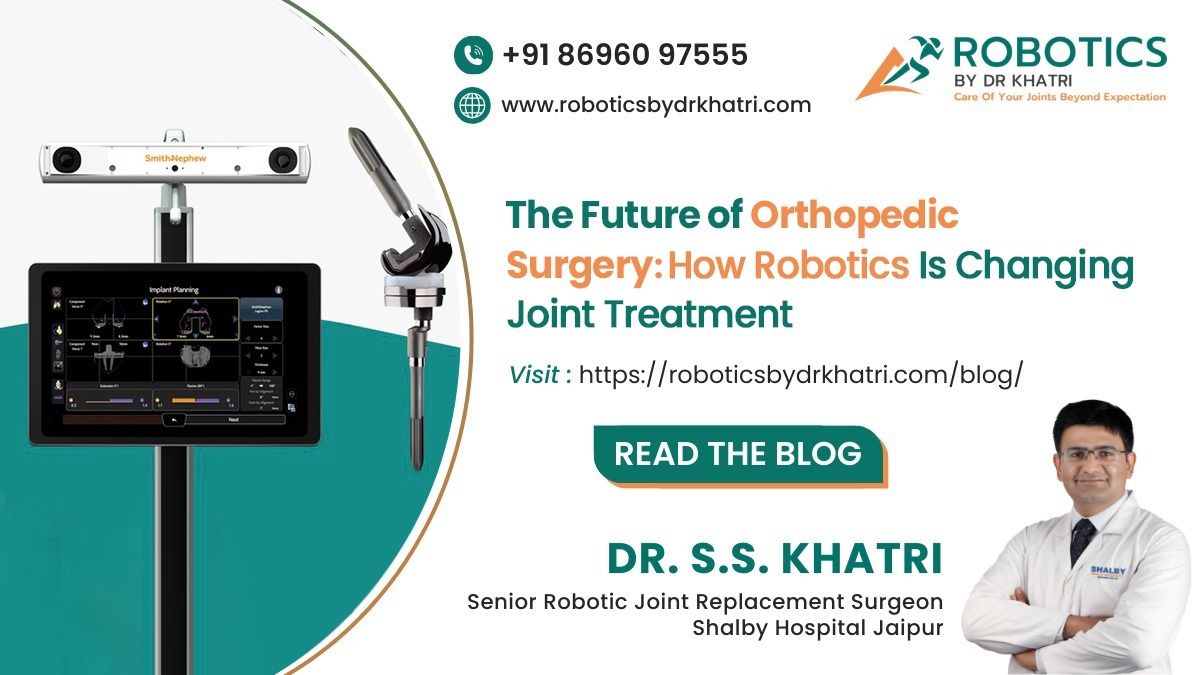
Robot-assisted offers high-definition 3D imaging that allows surgeons to plan and execute surgeries with ease. The imaging technology allows the surgeon to get a clear view of the human body structures. Therefore, the individual can perform surgeries with ease.
  • Improve implant longevity.
This helps in avoiding uneven wear and tear of the implant. Robotic assistance during surgery has greatly aided in the accuracy of implants. This has contributed to the longevity of implants and reduced the need for revision surgery. If you are interested in reading more, consult the best doctor for knee replacement near you.
  • Smooth recovery
Robotic surgery allows for an accurate and minimally invasive approach. This helps the patient heal because they can recover faster. They can also regain their mobility and go back to their normal routine. Most patients can be released from the hospital faster. This not only enables them to go back to their normal routine, but they also avoid the strain associated with a longer hospital stay.
  • Boost the surgeon’s confidence.
Robotic systems will not replace surgeons; rather, they will be strong aids that will enhance their capabilities. The latest technologies will enable the surgeons to have complete control over the surgeries, along with improved guidance and stability. The data will enable the surgeons to make proper decisions regarding the surgeries, leading to enhanced care. The best knee replacement in Jaipur will enable you to have a successful knee replacement surgery without any complications.
  • Various applications in orthopedics  
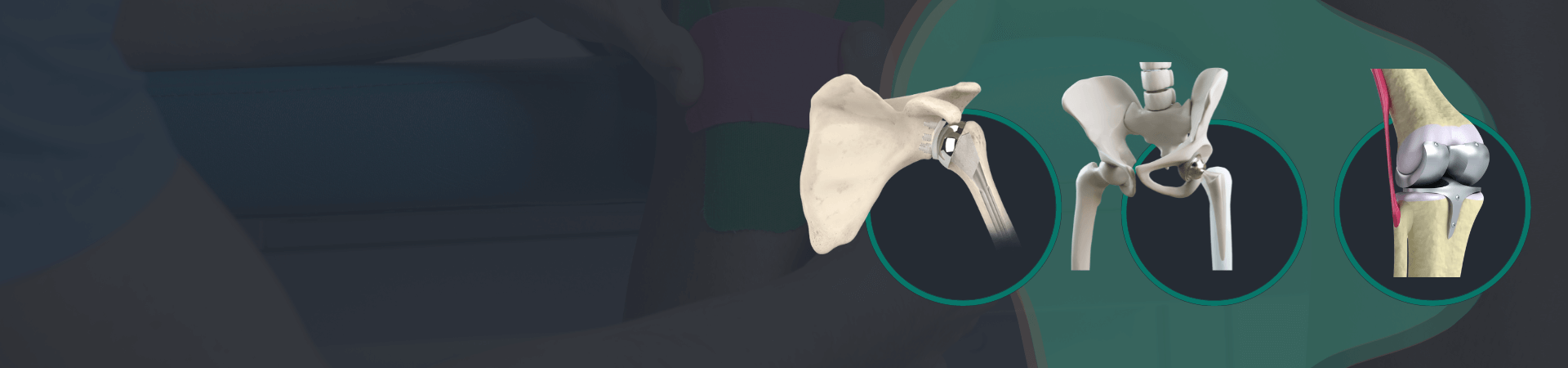
Robotics has also significantly impacted the area of knee and hip replacement surgery. This technology has boosted the efficiency and accuracy of the process. Researchers are also exploring the potential use of robots in backbone surgery and shoulder surgery, as well as joint surgery that has resulted from trauma. This new technology implies that the future may hold robotic-assisted surgery as the standard process.

Conclusion

Robotic technology is advancing orthopedic surgery. With expertise in surgeries combined with high precision and planning data, orthopedic surgery is being upgraded with the help of robots. As this technology advances, patients can look forward to safe surgeries, rapid recoveries, and positive outcomes. Robotic-assisted orthopedics is an important advancement in healthcare.

Recovering After Robotic Joint Replacement: Tips for a Smooth Rehabilitation

The knee is one of the most complex areas within our body. As we mature, the knee can develop wear and tear because of a reduction in cartilage thickness as well as a reduction in the fluid levels within the knee joint, making it less lubricated. This will cause severe knee pain. Disregard of such knee problems can lead to severe outcomes, such as Robotic Joint replacement surgery. You are concerned about a knee replacement operation but are unable to find a trusted knee surgeon to support you? In such a case, Orthopedic Robotic Surgery in Jaipur is a brilliant option to handle your concern. Knee replacement surgery has undergone many advancements in the past few years, and this is particularly due to the use of robots in surgery. So, in the wake of advanced technologies and modern medical equipment being used in knee replacement surgery, it is pertinent to note that recovery is an integral part of robotic knee replacement surgery. If you want to get some insight into how to recover from surgery easily, you should continue reading. Let’s start.

Various Methods of Rehabilitation After Robotic Joint Replacement Surgery

Successful rehabilitation also requires proper physical therapy and good habits. Advice from a doctor and exercise also contribute to a smooth rehabilitation process, as patients are able to return to daily functions.
  • When possible, start physical therapy early.

Regaining strength and mobility means undergoing physical therapy. To recover your flexibility, you will engage in light exercises in 24 to 48 hours. As you progress, strengthening exercises will also follow. Attending physical therapy sessions regularly will greatly help in achieving good results in the long run. Because of this, you have to look for someone who can perform your surgery faultlessly so that you can recover smoothly. With the help of the best doctor for knee replacement, everything will go smoothly.
  • Eat healthy and eat in moderation.

A balanced diet rich in quality protein, key vitamins, and essential minerals acts as an important ingredient in facilitating the healing process. By adding such food ingredients to their diets, patients can gain strength, heal faster, and reduce inflammation in their bodies, thus improving their health.
  • Follow the advice of your surgeon and therapist.

Robotic joint replacement surgery provides great precision, but your post-operative care is in your hands, and you should follow the instructions properly to achieve a smoother recovery. Following your medication schedule as advised by your Orthopedic Surgeon in Jaipur is very important for pain control and to prevent infection. Taking good care of your wound is also very important to avoid any complications. You should also follow the instructions for movements to recover properly and regain your mobility.
  • Attempt to be positive.

Among the best healing strategies you could use is having an upbeat attitude. Whether you’ve undergone hip or knee replacement surgery with robots, note the progress you are making, no matter how minute. Moreover, set achievable goals and celebrate your successes, such as learning to move around and to walk alone.
  • Attempt to do some home exercise.

Physical therapy is just one method of rehabilitation. It is necessary to do the exercise assignments from physical therapy in order to maintain progress and also to aid in gaining better health. Not only does it aid in increasing health, but it also enables an individual to feel more mobile and resilient.

Conclusion

Rehabilitation and recovery after robotic joint replacement procedures need to be a targeted effort. Always follow the advice of your attending physician, move around within the restrictions of your health, and above all, focus on maintaining good health to make the whole process of rehabilitation relatively easier for you. With dedication and commitment, you can witness improvements in your mobility, your pain, and the functions of your joints.

Why Your Knee Still Hurts Months After Replacement?

Knee replacement surgery is often seen as the ultimate fix for chronic knee pain; a way to get back to walking comfortably, exercising, and living fully again. But what if months have passed and your knee still hurts? You’re not alone, and it doesn’t always mean something went wrong. Persistent discomfort after knee replacement can happen for several reasons, and understanding them is the first step to recovery.

Understanding Post-Surgery Knee Pain

After a total knee replacement, the body needs time to adjust to the new joint. The muscles, ligaments, and soft tissues around the knee have to relearn movement and strength patterns that changed over time. So, mild pain, swelling, and stiffness for a few months are expected especially when walking long distances, climbing stairs, or sitting for long periods. But pain that continues beyond 3–6 months may signal other underlying issues that deserve medical evaluation.

Common Reasons for Ongoing Knee Pain After Replacement

1. Soft Tissue or Muscle Healing

Even when the artificial joint is functioning perfectly, surrounding tissues may take longer to heal. Tightness or pulling sensations around the knee are common and usually improve with continued physiotherapy.

2. Inflammation or Scar Tissue Formation

Scar tissue (arthrofibrosis) can limit flexibility and cause persistent stiffness or pain. Early and consistent movement exercises are key to preventing it.

3. Infection

Though rare, deep joint infections can cause continuous pain, swelling, redness, or warmth around the knee. This requires immediate medical attention and may need antibiotics or additional surgery.

4. Implant Loosening or Misalignment

In a small number of cases, the prosthetic implant may loosen or not align perfectly over time, leading to mechanical pain. Robotic-assisted surgeries greatly reduce this risk by ensuring precise alignment during the procedure.

5. Nerve Pain or Sensitivity

Sometimes, nerves around the incision become hypersensitive. This may feel like burning, tingling, or shooting pain. Desensitization exercises or medication can help manage this.

6. Overactivity or Weak Muscles

Trying to do too much too soon like returning to heavy physical work can stress the healing knee. Weak thigh muscles also contribute to joint discomfort.

What You Can Do to Relieve Pain

1. Stay Consistent with Physiotherapy

Skipping exercises can slow healing. Controlled stretches and strengthening routines help restore flexibility and stability.

2. Use Cold & Heat Therapy

Ice packs reduce swelling, while gentle heat soothes stiff muscles.

3. Maintain a Healthy Weight

Every extra kilo puts more pressure on your new joint. Losing even a little weight can significantly reduce pain.

4. Follow Up with Your Surgeon

If pain persists beyond 3–6 months, don’t ignore it. An X-ray or scan can help detect hidden causes like implant issues or bone inflammation.

5. Opt for Low-Impact Activities

Replace high-stress activities with swimming, cycling, or yoga. These help strengthen the knee safely.

When to See Your Doctor If You Feel Pain After Knee Replacement Surgery?

You should consult your orthopedic specialist immediately if:
  • Pain increases instead of improving over time
  • The knee feels hot, red, or swollen
  • You develop fever or discharge near the incision
  • The joint feels unstable or clicks painfully while walking
  • Timely intervention ensures faster recovery and protects your new knee joint.
Persistent pain after knee replacement doesn’t always mean something is wrong but it’s a signal that your body needs more care or evaluation. In most cases, simple factors like muscle weakness or scar tissue can be treated with guided physiotherapy and patience. But when pain continues for months, a thorough review by an orthopedic expert is essential. With advances in technology like robotic knee replacement, patients in India today have access to safer, more precise, and faster-healing options than ever before. So if your knee still hurts months after surgery, don’t lose hope, the right diagnosis and care can help you walk pain-free again.

Hip Replacement Surgery in India: How It Works & Recovery Timeline

Living with hip pain can be exhausting. When every step, every bend, or even sitting down feels uncomfortable, life starts to shrink around that pain. For many people, hip replacement surgery becomes a way to take life back to walk without hesitation and move without fear. If you or someone you love has been advised to consider hip replacement surgery, this guide explains everything you need to know from what the surgery involves and how long it takes, to the recovery timeline, costs in India, and what to expect week by week.    

What Is Hip Replacement Surgery?

Hip replacement surgery (also known as total hip arthroplasty) is a medical procedure that replaces the damaged or worn-out parts of your hip joint with artificial implants. The hip joint is a ball-and-socket joint the “ball” at the top of your thigh bone (femur) fits into a “socket” in your pelvis. When arthritis, injury, or age-related wear damages this joint, simple movements can become painful or stiff. A hip replacement removes those damaged parts and replaces them with smooth, durable materials (often metal, ceramic, or high-grade plastic). The goal is simple: restore movement and relieve pain.  

Types of Hip Replacement Surgery

Not all hip replacements are the same. The right type depends on your condition, age, bone quality, and lifestyle.

1. Total Hip Replacement (THR):

Both the ball and socket are replaced. This is the most common and effective procedure.

2. Partial Hip Replacement:

Only the femoral head (ball) is replaced. Usually done after a fracture or limited joint damage.

3. Hip Resurfacing:

Instead of removing the entire ball, the surface is trimmed and capped with metal. Preferred for younger, active patients.

4. Minimally Invasive or Robotic Hip Replacement:

Advanced techniques using smaller incisions and precision-guided tools for faster recovery and improved alignment. Modern technology,  especially robot-assisted hip replacement allows orthopedic surgeons to perform the surgery with remarkable accuracy. This helps minimize soft tissue damage and speeds up recovery.  

How Long Does a Hip Replacement Take?

A hip replacement usually takes about 1 to 2 hours, depending on the surgical technique and whether it’s a total or partial replacement. During this time:
  • You’ll receive anesthesia (spinal or general).
  • The surgeon removes the damaged bone and cartilage.
  • The artificial joint components are securely fitted in place.
  • The incision is closed and dressed.
After surgery, you’ll spend some time in the recovery room before being moved to your hospital room for observation.  

Hip Replacement Recovery Time: What to Expect

Recovery after hip replacement is a gradual process but with the right care, most patients regain mobility and independence faster than they expect. Here’s a week-by-week recovery guide.

Week 1: Immediate Post-Surgery Phase

  • You’ll stay in the hospital for 3–5 days.
  • Pain and swelling are normal, but controlled through medication.
  • Physiotherapists begin gentle exercises to strengthen muscles and prevent stiffness.
  • You may start walking with a walker or crutches by the 2nd or 3rd day.
Goal: Manage pain, begin mobility, and prevent complications.

Week 2–3: Early Recovery at Home

  • Most patients are discharged with clear exercise instructions.
  • You’ll slowly increase your walking distance and movement.
  • Stitches or staples (if any) may be removed around this time.
  • You’ll likely need assistance at home but will start feeling stronger each day.
Goal: Regain balance and confidence while walking short distances.

Week 4–6: Regaining Independence

  • Pain should significantly reduce by now.
  • You’ll start moving more comfortably- climbing stairs, bathing, and doing light chores.
  • Physiotherapy continues to focus on strengthening hip muscles and improving flexibility.
Goal: Walk independently with minimal support.

Week 7–12: Building Strength and Endurance

  • You’ll resume most normal activities and feel like yourself again.
  • Some mild stiffness or soreness after long walks is normal.
  • Regular physiotherapy helps in maintaining range of motion and strengthening the joint.
Goal: Return to routine life, low-impact sports, or light workouts.

After 3 Months: Full Recovery Phase

By the end of 3–6 months, most patients enjoy a pain-free hip joint and full range of motion. You can return to driving, light jogging, or cycling (after your surgeon’s approval). Consistency with physiotherapy and lifestyle adjustments is key. Avoid high-impact activities like running or jumping unless specifically cleared by your doctor.

Recovery Tips for Faster Healing

Here are some patient-tested tips that help speed up hip replacement recovery:
  • Follow your physiotherapy schedule; even small daily exercises make a big difference.
  • Eat a balanced, protein-rich diet; it helps tissues and muscles repair faster.
  • Avoid sitting too low or crossing your legs; these can strain the new joint.
  • Keep the incision area clean and dry; follow all wound-care instructions.
  • Get regular follow-ups; your surgeon will monitor healing and alignment.
  • Stay positive and patient; mental readiness plays a huge role in recovery.

What Influences Recovery Time?

Each patient heals differently, but a few key factors affect how quickly you bounce back:
  • Age and general health
  • Type of surgery (traditional vs. minimally invasive)
  • Pre-surgery activity level
  • Post-surgery rehabilitation
  • Weight and bone health
At advanced orthopedic centers across India, robotic precision surgeries are increasingly preferred because they reduce blood loss, pain, and recovery time.  

The Role of Robotics in Hip Replacement

Modern orthopedic surgery has evolved dramatically. Robot-assisted hip replacement uses real-time imaging and computerized mapping to help surgeons achieve near-perfect implant positioning. This precision leads to:
  • Better alignment and longer implant life
  • Less pain and faster recovery
  • Minimal scarring and reduced hospital stay
At Robotics by Dr. Khatri, such technologies are integrated into patient care to ensure accurate, safe, and efficient surgeries. Patients often notice that their recovery feels smoother and more confident because of the precision and predictability robotics offers.  

Frequently Asked Questions (FAQs)

1. How painful is hip replacement surgery?

You’ll experience mild discomfort after surgery, but pain is well managed with medication and gradually decreases within weeks.

2. How long will my hip replacement last?

With proper care, most modern implants last 15–25 years or more.

3. Can both hips be replaced at once?

Yes, if medically suitable. This is called a bilateral hip replacement and helps avoid two separate recoveries.

4. When can I drive again after hip replacement surgery?

Usually after 6–8 weeks, depending on recovery and your doctor’s advice.

5. Is robotic hip replacement better?

Robotic technology ensures greater precision, shorter recovery time, and more natural joint movement, especially beneficial for younger or active patients.


Revolutionizing Orthopedics

The Advantages of Robotic Day Care Knee Replacement Surgery by Dr. S. S. Khatri

Introduction:

Dr. S. S. Khatri, a distinguished senior robotic joint replacement surgeon based in Vaishali Nagar, Jaipur, has been instrumental in pushing the boundaries of orthopedic surgery. His expertise shines in the realm of Robotic Day Care Knee Replacement Surgery, a groundbreaking approach that offers unparalleled benefits to patients seeking efficient and precise joint replacement.

Precision Redefined:

Dr. S. S. Khatri, a distinguished senior robotic joint replacement surgeon based in Vaishali Nagar, Jaipur, has been instrumental in pushing the boundaries of orthopedic surgery. His expertise shines in the realm of Robotic Day Care Knee Replacement Surgery, a groundbreaking approach that offers unparalleled benefits to patients seeking efficient and precise joint replacement.

Same-Day Recovery:

Robotic Day Care Knee Replacement Surgery, under the skilled hands of Dr. Khatri, facilitates a remarkably swift recovery. Patients can return home on the same day as the surgery, minimizing the disruption to their daily lives and expediting the rehabilitation process.

Customized Treatment Plans:

Dr. S. S. Khatri utilizes robotic technology to create personalized treatment plans tailored to each patient’s unique anatomy. This individualized approach ensures that the surgery addresses specific concerns, resulting in improved outcomes and a more comfortable postoperative experience.

Minimal Invasive Technique:

The robotic-assisted surgical technique employed by Dr. Khatri is minimally invasive, reducing trauma to surrounding tissues. This approach leads to less pain, decreased blood loss, and faster healing. Patients benefit from a quicker return to their regular activities with minimal discomfort.

Enhanced Safety Measures:

The integration of robotics in knee replacement surgery enhances safety measures during the procedure. Dr. Khatri leverages the robotic system to monitor and adjust in real-time, ensuring optimal conditions and minimizing the risk of complications, providing patients with added peace of mind.

Technological Innovation:

Dr. S. S. Khatri’s commitment to staying at the forefront of technological innovation is evident in his adoption of robotic-assisted surgery. The utilization of robotics showcases his dedication to providing patients with the latest advancements in healthcare, positioning him as a pioneer in the field.

Conclusion:

Dr. S. S. Khatri’s expertise in Robotic Day Care Knee Replacement Surgery stands as a testament to the transformative impact of technology on orthopedic procedures. The precision, same-day recovery, personalized treatment plans, minimally invasive techniques, enhanced safety measures, and technological innovation collectively position this approach as a game-changer in joint replacement surgery. Patients under Dr. Khatri’s care can confidently embrace a future with improved joint functionality and a quicker return to an active, pain-free lifestyle.