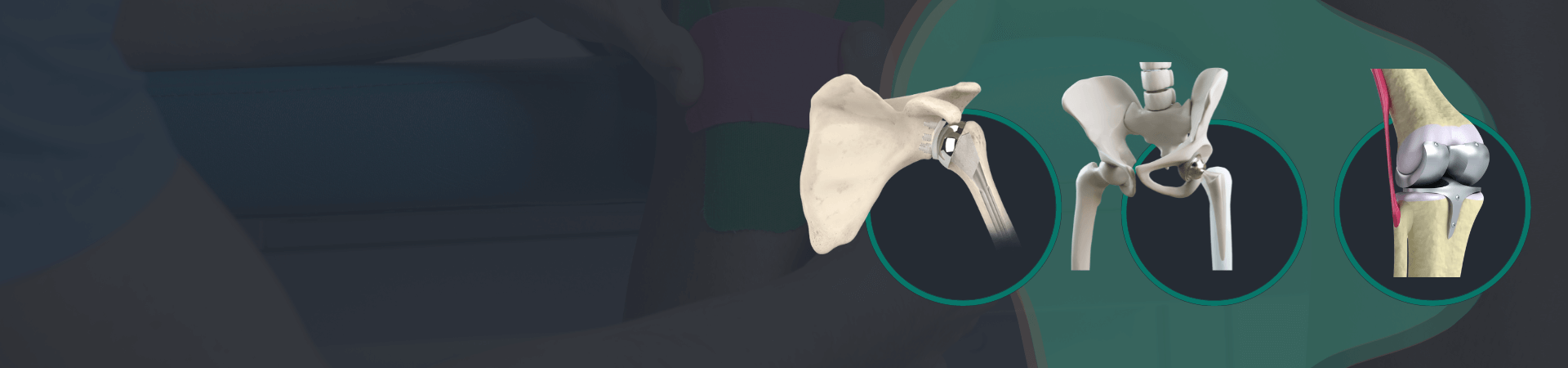
When Should You Visit a Hip Replacement Surgeon in Jaipur During Winter? A Complete Patient-Friendly Guide

For many people in Jaipur and across Rajasthan, winter brings a familiar problem: a sharp increase in hip stiffness, joint pain, and mobility issues. While a mild ache on cold mornings is common, persistent or worsening hip pain may indicate something more serious than weather changes. If you have been searching for “hip replacement surgeon in Jaipur”, “best orthopedic doctor in Rajasthan”, or “hip pain increases in winter what to do”, this guide will help you understand exactly when it’s time to seek a specialist, what symptoms you should never ignore, and why early evaluation can protect your long-term mobility.

Why Does Hip Pain Get Worse in Winter?

Patients often ask orthopedic doctors in Jaipur why joint pain spikes as soon as temperatures drop. Based on current medical understanding:

1. Cold weather tightens muscles and joints

Low temperatures make muscles stiffer and reduce joint lubrication, causing discomfort during movements like walking, climbing stairs, or getting up from bed.

2. Decreased physical activity

Shorter days and colder mornings reduce daily movement, making joints less flexible.

3. Pre-existing arthritis becomes more noticeable

People with osteoarthritis or age-related wear and tear feel stronger pain because the joint capsule responds sensitively to temperature changes.

4. Low barometric pressure

Some research suggests decreased atmospheric pressure may increase swelling inside joints, amplifying pain. Winter pain is not unusual, but continuous or increasing pain is not considered normal.

When Should You Visit a Hip Replacement Surgeon in Jaipur?

Here are clear signs that winter hip pain requires expert assessment from an orthopedic specialist or hip replacement surgeon.

1. Pain lasts longer than 2–3 weeks

If the pain does not settle even after home care, warm compress, and adequate rest, consultation is essential.

2. You experience hip pain at night

Night pain especially on turning in bed is a strong red flag indicating joint damage or advanced arthritis.

3. Difficulty walking, bending, or climbing stairs

Movement difficulty is one of the earliest signs that the hip joint is deteriorating faster than normal.

4. Hip “locking,” “catching,” or “grinding” sensations

These sensations indicate structural damage in the hip joint and should never be ignored.

5. Pain radiating to the thigh, groin, or knee

Hip problems often cause pain in neighboring areas. If winter worsens the radiation, seek medical evaluation.

6. Dependence on painkillers

If you are using painkillers daily to get through routine activities, it is time for a proper orthopedic examination.

7. Previous diagnosis of arthritis

Patients with early arthritis in Jaipur and Rajasthan’s dry climate experience rapid progression if not monitored.

Role of a Hip Replacement Surgeon and Why Early Evaluation Helps

A hip replacement surgeon in Jaipur is not only meant for advanced or last-stage arthritis. Most specialists help patients manage early-stage symptoms, delay surgery when possible, and improve long-term joint function. A timely check-up can help in:
  • Assessing joint damage with X-ray or MRI
  • Recommending physiotherapy or lifestyle modifications
  • Prescribing medicines to reduce inflammation
  • Preventing the hip joint from worsening
  • Planning surgery only when absolutely necessary

Self-Care Tips for Managing Hip Pain During Winter

These techniques can help reduce stiffness and pain naturally.

1. Warm compress therapy

Applying heat on the hip joint improves blood flow and reduces morning stiffness.

2. Daily stretching

Simple hip mobility exercises improve lubrication and reduce pain.

3. Warm clothing

Keeping hip muscles warm can significantly reduce joint stress.

4. Vitamin D monitoring

Rajasthan sees reduced sunlight in winter mornings. Low Vitamin D levels worsen joint pain.

5. Stay active

Light walking, indoor cycling, or physiotherapy keeps joints functional.

6. Maintain healthy weight

Less pressure on the hip means fewer pain episodes

Final say

Winter hip pain is common, but continuous or worsening discomfort is NOT normal and should not be ignored. If you are noticing reduced mobility, night pain, or stiffness in the cold months, consulting an experienced hip replacement surgeon in Jaipur can help diagnose the real cause and provide the right treatment before the condition progresses. Early intervention is the key to long-term mobility, comfort, and independence.

FAQs

1. Why does my hip pain increase in winter?

Cold weather makes joints stiff and reduces lubrication, especially in people with early arthritis.

2. Should I visit a hip replacement surgeon for winter pain?

Yes, if pain lasts more than 2–3 weeks or affects daily movement, you should consult a specialist in Jaipur.

3. Is hip replacement the only solution for chronic hip pain?

Not always. Many patients improve with physiotherapy, medicines, and lifestyle changes if treated early.

4. How do I choose the best hip replacement surgeon in Jaipur?

Look for experience, hospital facilities, patient reviews, and specialization in hip surgeries.

5. Can weather cause arthritis?

No, but winter can worsen symptoms of pre-existing joint damage

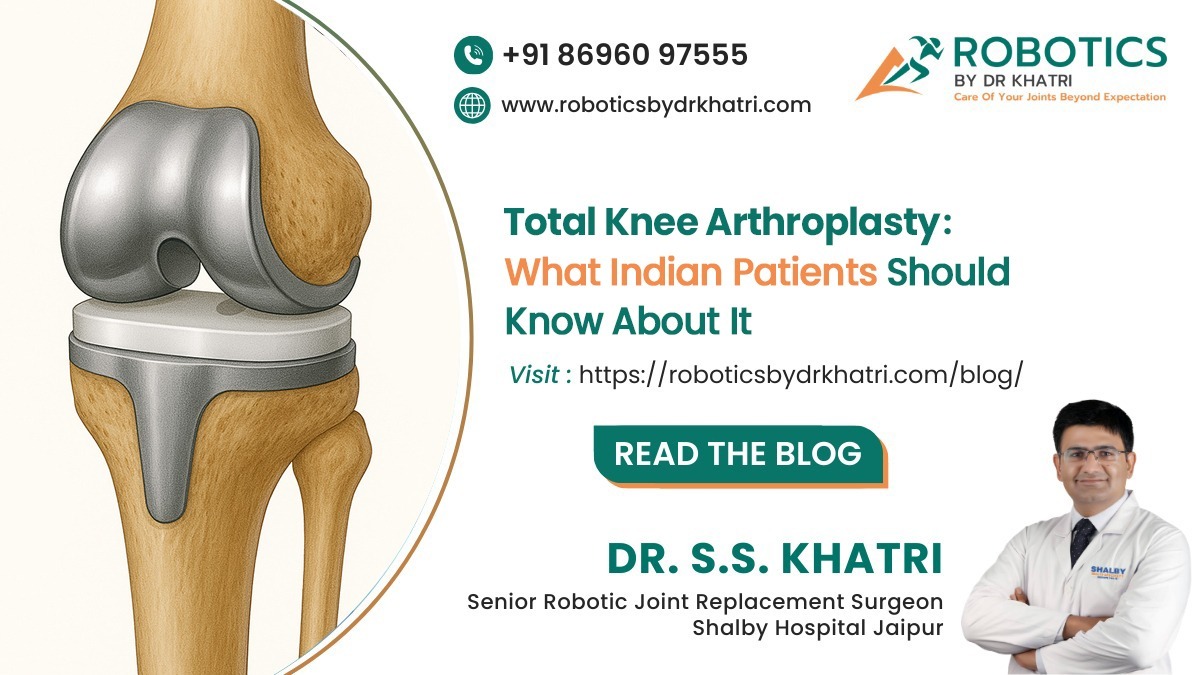
Total Knee Arthroplasty: What Indian Patients Should Know About It

Knee pain has quietly become one of the most common health issues in India. Whether it’s due to arthritis, old injuries, or years of strain on the joints, many people find it difficult to walk, climb stairs, or even rest without discomfort. When medication, injections, and physiotherapy stop helping, Total Knee Arthroplasty or Knee Replacement Surgery can offer real, lasting relief.

Understanding Total Knee Arthroplasty

In simple terms, Total Knee Arthroplasty (TKA) involves replacing the damaged surfaces of the knee joint with artificial components. These parts, made from strong medical metals and smooth plastic, work together like a natural joint — helping you move more easily and without constant pain. Over the past few years, knee replacement surgery in India has advanced rapidly. Many hospitals in Jaipur and across Rajasthan now use robotic and computer-assisted systems that make every step of the surgery more precise. These technologies help surgeons plan the operation in detail, place implants perfectly, and speed up recovery for patients.

When to Consider Surgery

Not everyone with knee pain needs surgery right away. But there are some clear signs when it may be time to discuss Total Knee Replacement with your doctor:
  • Pain that doesn’t ease even with rest or medication
  • Stiffness or swelling that limits movement
  • Trouble walking, climbing stairs, or standing for long
  • Pain that keeps you awake at night
If these symptoms are affecting your daily routine, an orthopedic consultation can help you understand your options. X-rays and physical evaluations reveal how much of the joint is damaged and whether replacement is the right choice.

What Happens During the Procedure: Total Knee Arthroplasty

In a Total Knee Arthroplasty, the surgeon removes the worn-out bone and cartilage from the joint and replaces them with smooth, durable implants. The goal is to restore alignment and make the knee move naturally again. With Robotic Knee Replacement Surgery, surgeons can use a detailed 3D model of your knee for guidance. This allows for smaller incisions, less tissue trauma, and faster healing.

Recovery After Surgery of Knee Arthroplasty

Most patients start walking with assistance within a day or two of surgery. Physiotherapy begins early and continues for a few weeks, helping you regain flexibility and strength. A balanced diet, proper rest, and consistent exercise play a major role in healing. By the third month, most people can resume normal daily activities comfortably.

Knee Replacement in India: The Modern Outlook

In India, knee replacement surgeries have become both safer and more affordable over the past decade. With improved surgical techniques, advanced implants, and specialized rehabilitation, patients are seeing excellent long-term outcomes. Cities like Jaipur are now leading centers for orthopedic care in Rajasthan, offering both traditional and robotic procedures.

What Doctors Say

Total Knee Arthroplasty is about more than just replacing a joint — it’s about regaining confidence, independence, and a better quality of life. With the expertise of skilled orthopedic surgeons in Jaipur and the availability of advanced robotic systems, Indian patients can look forward to moving pain-free again. If knee pain has been holding you back, consult an experienced orthopedic specialist and take the first step toward a healthier, more active future.

What You Should Know Before and After the Procedure: Hip Replacement Surgery in Jaipur

When simple things like walking, sitting, or climbing stairs start to hurt, life can become frustrating. For many people in Jaipur and across Rajasthan, hip pain slowly takes away their comfort and independence. But the good news is that modern Hip Replacement Surgery can help you move freely again without that constant pain or stiffness. Today, Hip Replacement Surgery in Jaipur has become a safe, effective, and reliable procedure. It allows patients to regain mobility, relieve chronic pain, and return to normal routines within a few months. If you or a loved one are considering this surgery, here’s a clear and honest look at what happens before, during, and after the procedure.

What Is Hip Replacement Surgery?

Hip Replacement Surgery (also called Total Hip Arthroplasty) is performed when the hip joint is badly damaged often due to arthritis, an old injury, or natural wear and tear. The damaged parts of the hip are removed and replaced with an artificial joint made from metal, ceramic, or medical-grade plastic. The goal is simple to restore movement and relieve pain that no longer responds to medicine or physiotherapy. Over the years, Total Hip Replacement Surgery in Jaipur has helped thousands of patients walk without pain, climb stairs comfortably, and return to an active lifestyle. It’s now considered one of the most successful orthopedic procedures worldwide.

When Should You Consider Hip Replacement Surgery?

It’s not always easy to decide when to move forward with surgery. You may already be trying medicines, physiotherapy, or exercise. But certain signs can mean your hip needs more help:
  • Pain that doesn’t go away even after rest or medication
  • Difficulty walking, sitting, or getting into a car
  • Hip pain that disturbs your sleep
  • Stiffness or limping that limits your day-to-day activities
If these symptoms sound familiar, it’s time to speak to an orthopedic surgeon in Jaipur. A detailed evaluation, including X-rays or scans, can help determine whether surgery is the right step for you.

Getting Ready for the Surgery

Preparation makes recovery easier and safer. Once your surgeon confirms you’re fit for hip replacement, you’ll be advised to undergo a few pre-surgery checks- blood tests, ECG, and X-rays. These help the team understand your health status and plan your surgery precisely. Here’s how you can prepare:
  • Stop blood thinners or other specific medications if advised
  • Eat a balanced diet and try to stay active before the surgery
  • Quit smoking to speed up healing
  • Prepare your home for easy movement, install grab bars, keep essentials close, and declutter walkways
  • Learn simple physiotherapy exercises that you’ll continue after the surgery
  • These small efforts help you recover faster and with fewer complications once the surgery is done.

What Happens During the Surgery

On the day of the procedure, anesthesia is administered to keep you comfortable. The surgeon then removes the damaged portion of the hip joint and replaces it with an artificial implant. In advanced hospitals, Robotic Hip Replacement Surgery in Jaipur is now available. This technology uses 3D imaging to create a digital model of your hip, allowing the surgeon to plan each step precisely. The robotic system helps in achieving perfect implant placement, smaller incisions, and quicker recovery. The entire process usually takes two to three hours. After the surgery, you’ll be monitored closely before being moved to your hospital room.

Life After Surgery: Recovery and Rehabilitation

The real healing begins after surgery. You’ll start gentle movements and light walking usually within a day or two under supervision. Physiotherapy becomes your best friend during this time. A physiotherapist will help you learn how to move safely, strengthen your muscles, and improve flexibility. These sessions ensure your new joint adjusts well and functions naturally.
  • Within a few weeks, you’ll notice progress:
  • Pain and stiffness gradually reduce
  • Walking becomes easier
  • You regain strength and stability
  • Sleep quality improves
Most patients return to normal life within two to three months, though complete healing may take up to a year.

Making Recovery Easier- Hip Replacement Surgery in Jaipur

The recovery phase requires patience, care, and consistency. Following a few simple tips can make a big difference:
  • Stick to your physiotherapy routine
  • Avoid bending your hip beyond 90° for the first few weeks
  • Use a walker or cane until your balance improves
  • Eat calcium- and protein-rich foods to strengthen your bones
  • Get enough rest and stay hydrated
Healing takes time, but with steady effort, you’ll get back to a pain-free and active lifestyle sooner than you think.

Living Well After a Hip Replacement

After recovery, you’ll be able to move more freely and enjoy your favorite activities again. However, taking care of your new joint is essential for long-term success.
  • Here are a few simple lifestyle habits to protect your new hip:
  • Maintain a healthy weight to reduce pressure on the joint
  • Prefer low-impact exercises like walking, swimming, or cycling
  • Avoid high-impact sports such as running or jumping
  • Listen to your body — don’t ignore pain or swelling
  • Visit your orthopedic surgeon in Jaipur for regular follow-ups
  • With the right care, your new hip can last 15–20 years or even longer.

Final Thoughts on Surgery for Hip Replacement

Hip pain shouldn’t control your life. With the availability of Hip Replacement Surgery in Jaipur, patients can now walk, sit, and move without constant discomfort. Whether you need a Total Hip Replacement or a Robotic Hip Replacement, modern surgical techniques and skilled orthopedic experts make the process safer and more precise than ever before. If chronic hip pain has been limiting your daily routine, consult a qualified orthopedic surgeon in Rajasthan. With the right medical advice, preparation, and care, you can get back to living life on your terms- pain-free and active.