How Implant Accuracy Affects the Success of Knee and Hip Replacement

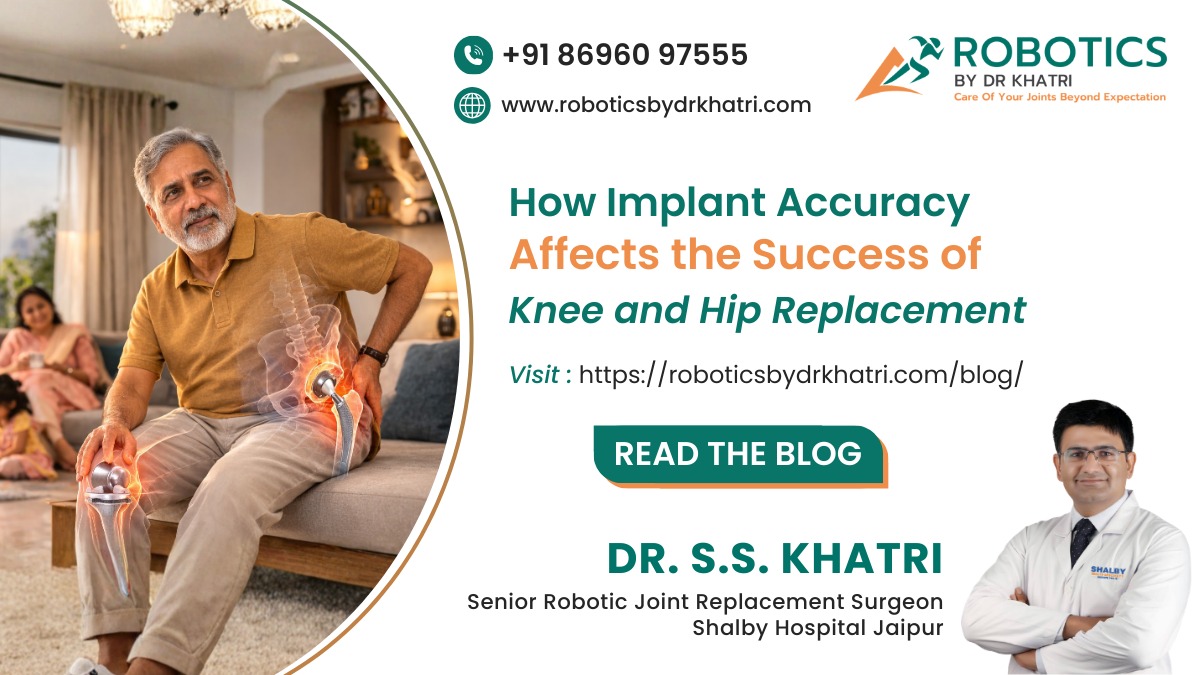
Knee and hip replacement surgeries have changed the lives of many individuals by restoring their mobility and relieving them of chronic joint pain. The key to the success of these surgeries, to a large extent, depends on one thing: ensuring that the implant is placed in just the right position. If the artificial joint is properly aligned, it can move in a manner similar to that of a natural joint, in sync with the body’s alignment, and without putting any additional strain on it. This is what makes all the difference and ensures the highest success rates. With the best doctor for knee replacement, you can have a near-perfect knee replacement surgery. Even the slightest deviation can cause imbalance, instability, and uneven wear and tear. Position is very important. It helps maintain smooth motion, reduces pain, accelerates recovery, and promotes long-term success. In today’s joint replacement surgery, precision is no longer a secondary aspect but a primary one.

Various Ways in Which Implant Accuracy Affects the Success of Knee and Hip Replacement

Precision is necessary for the successful installation of knee and hip implants. When the joint is in its proper position, it moves smoothly and wears down less with age. Even a slight discrepancy in the joint will impact comfort as well as the longevity of the implant.
  • Correct alignment of the joint
Getting the joint aligned properly is essential to align with the natural body. When properly aligned, the body is evenly distributed without putting pressure on other joints. However, when the joint is not properly aligned, the wear and tear on the joint becomes uneven, which can increase the pain and potentially lead to more serious problems such as chronic pain and degeneration of the joint. The total hip replacement surgery in Jaipur can help you align your joint to its best form.
  • Reduced implant wear and tear
Positioning implant parts correctly is very important. It reduces unusual resistance as the joint moves. With everything in the right place, the risk of early onset wear, loosening, or failure of the prosthetic joint decreases. Paying close attention to how the joint is positioned will improve the function and life of the joint. This will enable patients to live pain-free and active lives for many years.
  • Faster recovery and better comfort
If the implant is properly fitted and working well, patients can expect to have less pain, improved balance, and easier movement as they heal. When the implant is properly aligned, it also reduces pressure on the muscles and ligaments surrounding the area, which helps the healing process.
  • Smoother range of motion
When implants are placed in the correct position, they work just like natural joints. This accurate positioning enables a person to move their limbs freely, walk easily, sit comfortably, and perform their daily tasks with renewed confidence and freedom. Therefore, they experience enhanced freedom of movement and quality of life.
  • Improved joint function
When the implants are properly placed, they function like natural joints, allowing you to move, walk, and bear weight in a smooth manner. On the other hand, if the implants are not positioned properly, it may lead to restricted movement, which will reduce the effectiveness of the implants as well as the comfort of the individual. Ref: https://www.utsouthwestern.edu/newsroom/articles/year-2024/may-robotic-knee-replacement.html

Conclusion

The proper selection of the size of the implants in knee and hip replacement surgery is critical for a successful procedure. When accuracy is a concern, the joints will be properly positioned, and the result will be the reduction of the risks of potential pain and complications in the future. For patients, accuracy means greater mobility and faster recovery.

What Is Robotic Joint Replacement and How Does It Improve Accuracy?

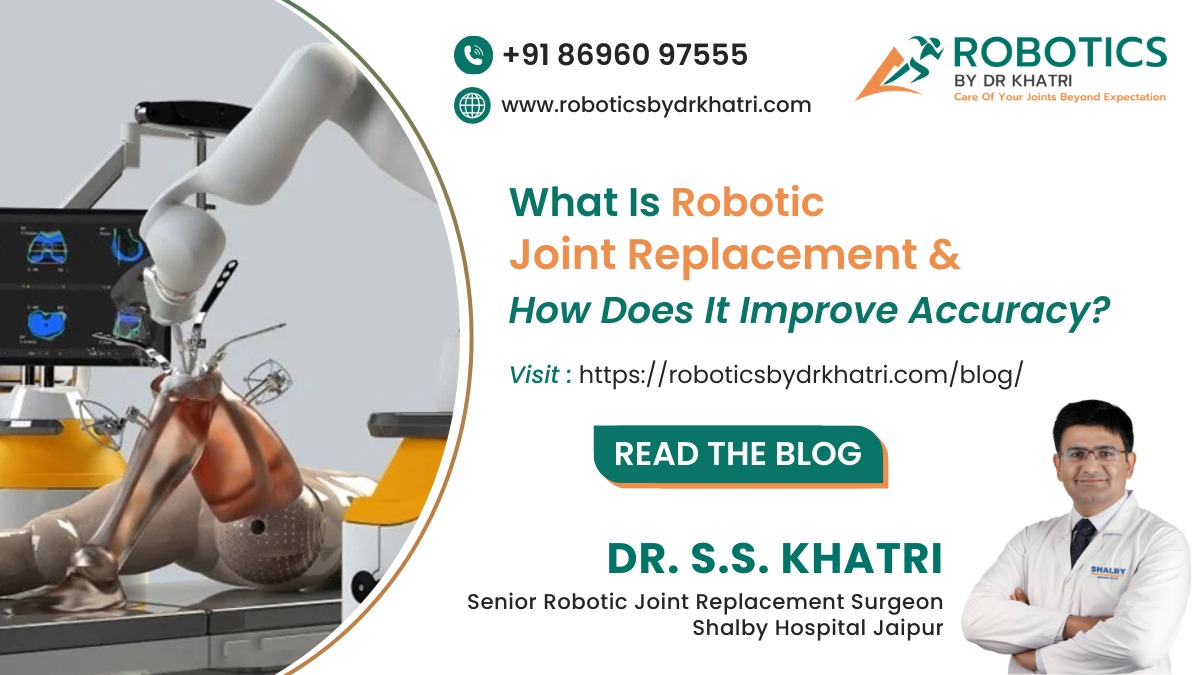
Joint replacement has transformed countless lives by offering better movement and quality of life. But traditional knee replacement can involve a very long recovery, which in itself may make people think twice about doing it. Thankfully, advancements in technology have developed a new option: robotic joint replacement. This method has changed how the surgery is performed. If you’re thinking about a knee replacement, a skilled robotic knee replacement surgeon in Jaipur can help you achieve a successful result. But what is robotic joint replacement? Robotic-assisted joint replacements use 3D planning before surgery and computer guidance during the operation. With robotic tools that provide feedback, surgeons can carefully remove damaged bone and cartilage and fit artificial joints more accurately. This process also helps to save healthy tissue. During surgery, the robotic system provides real-time feedback and precise guidance. It helps surgeons in the proper execution of plans. The technology ensures that there are exact bone cuts, correct implant placements, and proper joint alignments. It, therefore, limits mistakes and minimizes risks. Patients benefit through better joint functionality, longer-lasting implants, and predictable surgical outcomes.

Various Ways to Improve the Accuracy of Robotic Joint Replacement

Robotic joint replacement aids surgeons in accurately placing implants through advanced imaging and computer-guided planning. This results in better alignment, improved joint function, and more reliable outcomes.

Patient-specific 3D surgical planning

In a robotic joint replacement surgery, advanced images are taken through a process such as a CT scan or even an X-ray. The images provide a 3D representation of the patient’s own joint. With this precision, surgeons can easily determine the best size and design to match the patient’s own anatomy, providing the patient with a perfect solution to their own joint difficulties. If you are planning to do a robotic knee surgery, then do it in a clinic that specializes in the best knee replacement surgery.
  • Millimeter-level precision
The robotic technology that is changing surgery is one that allows for an incredible level of accuracy in bones or implants. Such an advanced procedure is one made with very precise measurements, where everything is done with great precision. Such precision is usually better with the robotic system compared to the traditional methods used in surgery.
  • Improved implant alignment and balance
Proper implant positioning is quite important in order to maintain joint stability and facilitate smooth movement. The integration aspect concerning robotic assistance in joint positioning provides accurate positioning with the aim of attaining optimal balance in the soft tissue. The meticulous positioning of the implant helps in maintaining joint stability as well as reducing wear and tear in the future.
  • Preservation of healthy bone and tissue
Robotic systems help protect nearby bone and soft tissue by cutting only in specific areas. This careful approach improves surgical precision and makes it easier to rebuild joints effectively. As a result, patients have better overall outcomes.
  • Real-Time intraoperative guidance
As this process takes place, it also promotes a sense of feedback to the surgeon, helping them understand the process while acting like an advisor to them, helping them coordinate every single move appropriately with their surgical plan, allowing them to act intentionally in their process of performing a very complex operation. Ref: Robotic-Assisted Joint Replacement

Conclusion

Robotic joint replacement significantly enhances accuracy through personalized planning, real-time guidance, and precise execution. These advancements ensure optimal implant positioning, elevate joint performance, and deliver more reliable long-term outcomes for patients.

The Future of Orthopedic Surgery: How Robotics Is Changing Joint Treatment

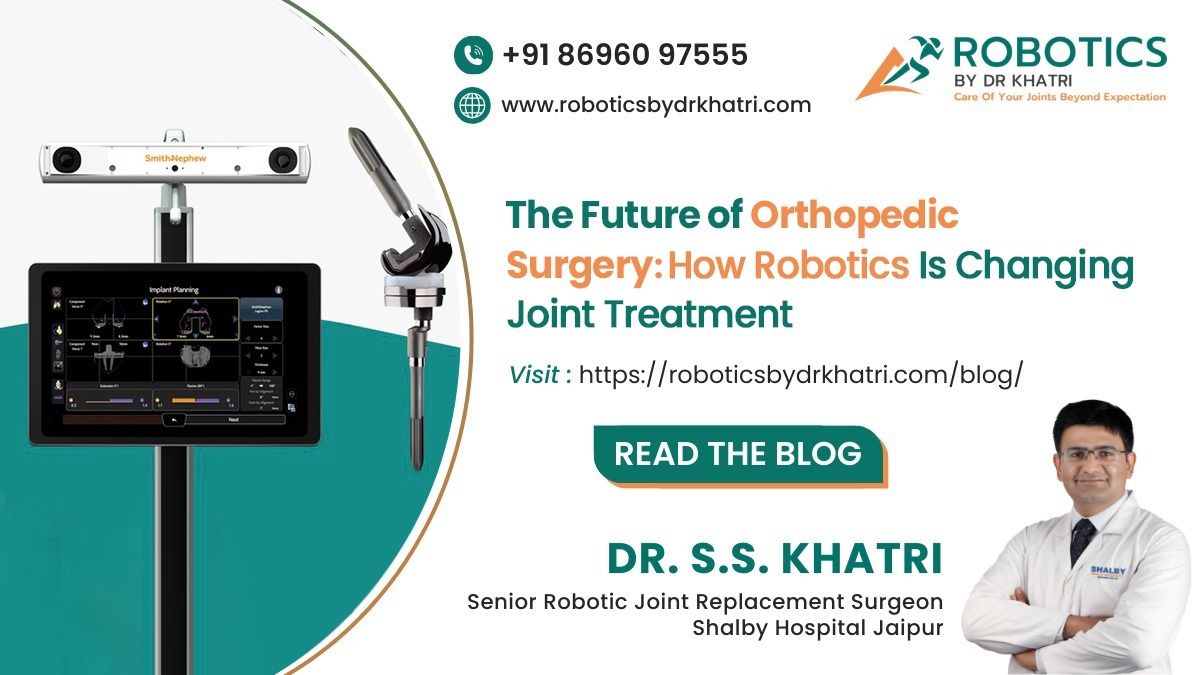
Orthopedic surgery is undergoing significant change. Conventionally, one could argue that surgery was something that relied entirely on the capabilities of doctors, but with recent advances in the field of medicine, this view seems to be rather outdated. In modern surgery, technology seems to have found a rather prominent place as something that makes surgery possible or successful. Robotic surgery seems to have moved rather quickly from being science fiction to something rather essential in orthopedic surgery, particularly in joint replacement surgery. Orthopedic Robotic Surgery in Jaipur seems to be one of the best options for you if you are considering undergoing knee surgery and need to have a rapid and smooth post-surgery process. It is pertinent to note that over 1.5 lakh knee replacement surgeries take place in India every year, and this number is steadily rising with an influx of robotic-assisted surgeries (Source). This phenomenon makes it evident that a growing number of physicians are showing interest in performing robotic surgeries because of their success rates. There are many changes happening in orthopedic surgeries due to advancements in joint treatment procedures using robotics technology. With the advent of novel robotics, imaging, and analytics, there is now the possibility of surgeons operating with enhanced precision. This is going to bring significant changes in joint treatments such as arthritis, injuries, and other diseases, and these changes are good news for patients, as they would lead to improved outcomes during surgeries. If you are thinking about the impact on joint surgeries, then read this article until the end.

Different Forms in Which Robotics is Revolutionizing Joint Replacement in Orthopedic Surgeons

Robotic assistants are changing the field of surgery by joining the skills of human surgeons with the precision of technology. This has decreased the complication rate and facilitated the speedy recovery of patients in orthopedic surgery.
  • Increase the precision
Robot-assisted offers high-definition 3D imaging that allows surgeons to plan and execute surgeries with ease. The imaging technology allows the surgeon to get a clear view of the human body structures. Therefore, the individual can perform surgeries with ease.
  • Improve implant longevity.
This helps in avoiding uneven wear and tear of the implant. Robotic assistance during surgery has greatly aided in the accuracy of implants. This has contributed to the longevity of implants and reduced the need for revision surgery. If you are interested in reading more, consult the best doctor for knee replacement near you.
  • Smooth recovery
Robotic surgery allows for an accurate and minimally invasive approach. This helps the patient heal because they can recover faster. They can also regain their mobility and go back to their normal routine. Most patients can be released from the hospital faster. This not only enables them to go back to their normal routine, but they also avoid the strain associated with a longer hospital stay.
  • Boost the surgeon’s confidence.
Robotic systems will not replace surgeons; rather, they will be strong aids that will enhance their capabilities. The latest technologies will enable the surgeons to have complete control over the surgeries, along with improved guidance and stability. The data will enable the surgeons to make proper decisions regarding the surgeries, leading to enhanced care. The best knee replacement in Jaipur will enable you to have a successful knee replacement surgery without any complications.
  • Various applications in orthopedics  
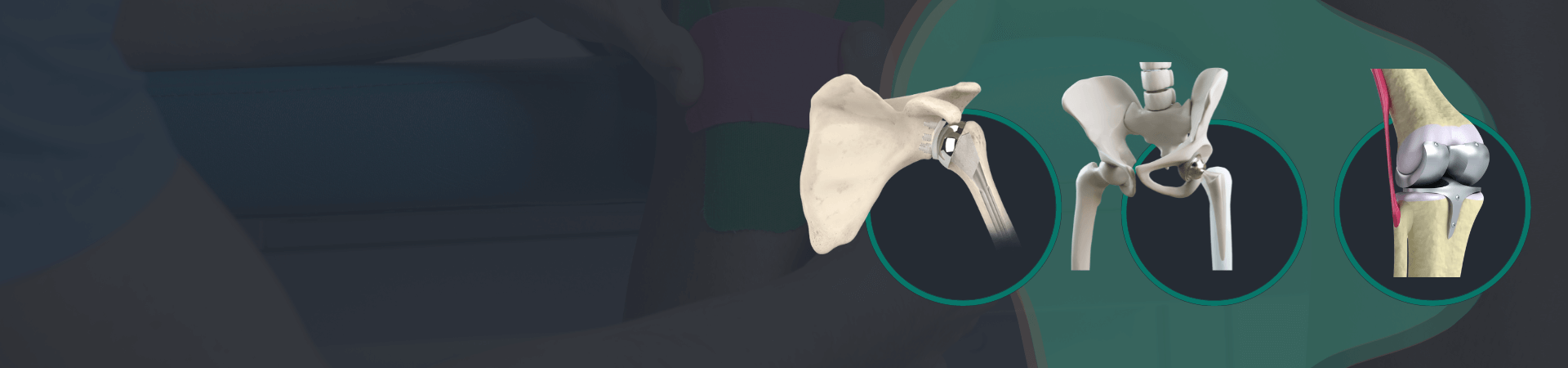
Robotics has also significantly impacted the area of knee and hip replacement surgery. This technology has boosted the efficiency and accuracy of the process. Researchers are also exploring the potential use of robots in backbone surgery and shoulder surgery, as well as joint surgery that has resulted from trauma. This new technology implies that the future may hold robotic-assisted surgery as the standard process.

Conclusion

Robotic technology is advancing orthopedic surgery. With expertise in surgeries combined with high precision and planning data, orthopedic surgery is being upgraded with the help of robots. As this technology advances, patients can look forward to safe surgeries, rapid recoveries, and positive outcomes. Robotic-assisted orthopedics is an important advancement in healthcare.

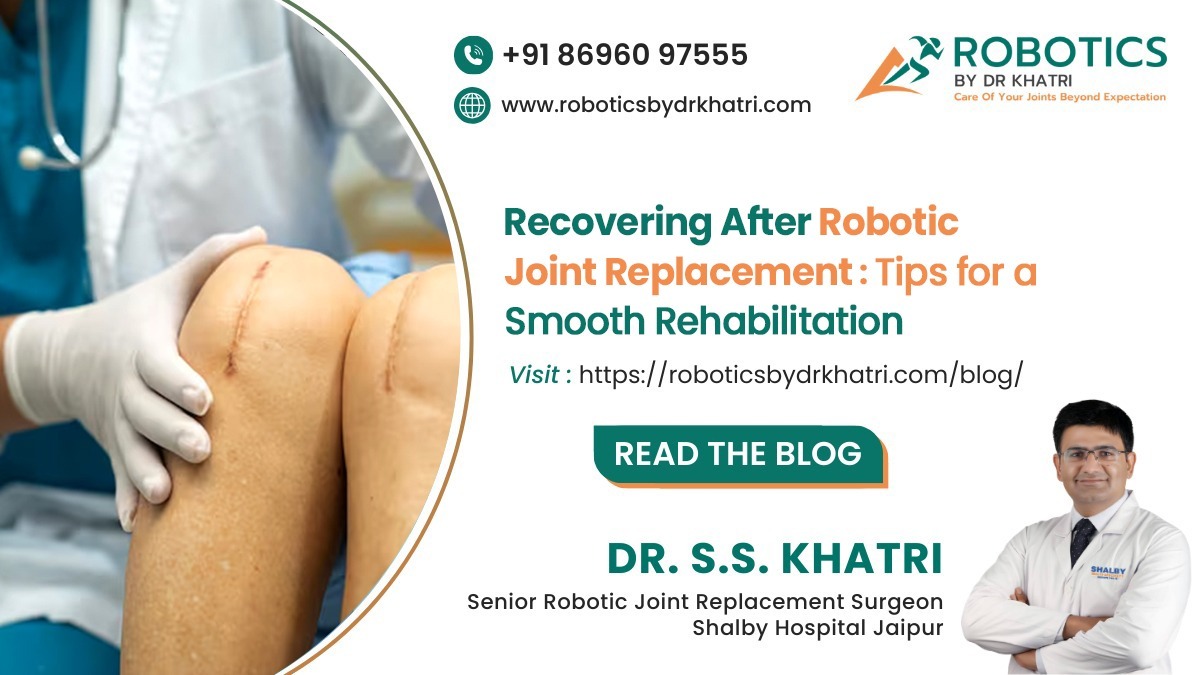
Recovering After Robotic Joint Replacement: Tips for a Smooth Rehabilitation

The knee is one of the most complex areas within our body. As we mature, the knee can develop wear and tear because of a reduction in cartilage thickness as well as a reduction in the fluid levels within the knee joint, making it less lubricated. This will cause severe knee pain. Disregard of such knee problems can lead to severe outcomes, such as Robotic Joint replacement surgery. You are concerned about a knee replacement operation but are unable to find a trusted knee surgeon to support you? In such a case, Orthopedic Robotic Surgery in Jaipur is a brilliant option to handle your concern. Knee replacement surgery has undergone many advancements in the past few years, and this is particularly due to the use of robots in surgery. So, in the wake of advanced technologies and modern medical equipment being used in knee replacement surgery, it is pertinent to note that recovery is an integral part of robotic knee replacement surgery. If you want to get some insight into how to recover from surgery easily, you should continue reading. Let’s start.

Various Methods of Rehabilitation After Robotic Joint Replacement Surgery

Successful rehabilitation also requires proper physical therapy and good habits. Advice from a doctor and exercise also contribute to a smooth rehabilitation process, as patients are able to return to daily functions.
  • When possible, start physical therapy early.

Regaining strength and mobility means undergoing physical therapy. To recover your flexibility, you will engage in light exercises in 24 to 48 hours. As you progress, strengthening exercises will also follow. Attending physical therapy sessions regularly will greatly help in achieving good results in the long run. Because of this, you have to look for someone who can perform your surgery faultlessly so that you can recover smoothly. With the help of the best doctor for knee replacement, everything will go smoothly.
  • Eat healthy and eat in moderation.

A balanced diet rich in quality protein, key vitamins, and essential minerals acts as an important ingredient in facilitating the healing process. By adding such food ingredients to their diets, patients can gain strength, heal faster, and reduce inflammation in their bodies, thus improving their health.
  • Follow the advice of your surgeon and therapist.

Robotic joint replacement surgery provides great precision, but your post-operative care is in your hands, and you should follow the instructions properly to achieve a smoother recovery. Following your medication schedule as advised by your Orthopedic Surgeon in Jaipur is very important for pain control and to prevent infection. Taking good care of your wound is also very important to avoid any complications. You should also follow the instructions for movements to recover properly and regain your mobility.
  • Attempt to be positive.

Among the best healing strategies you could use is having an upbeat attitude. Whether you’ve undergone hip or knee replacement surgery with robots, note the progress you are making, no matter how minute. Moreover, set achievable goals and celebrate your successes, such as learning to move around and to walk alone.
  • Attempt to do some home exercise.

Physical therapy is just one method of rehabilitation. It is necessary to do the exercise assignments from physical therapy in order to maintain progress and also to aid in gaining better health. Not only does it aid in increasing health, but it also enables an individual to feel more mobile and resilient.

Conclusion

Rehabilitation and recovery after robotic joint replacement procedures need to be a targeted effort. Always follow the advice of your attending physician, move around within the restrictions of your health, and above all, focus on maintaining good health to make the whole process of rehabilitation relatively easier for you. With dedication and commitment, you can witness improvements in your mobility, your pain, and the functions of your joints.

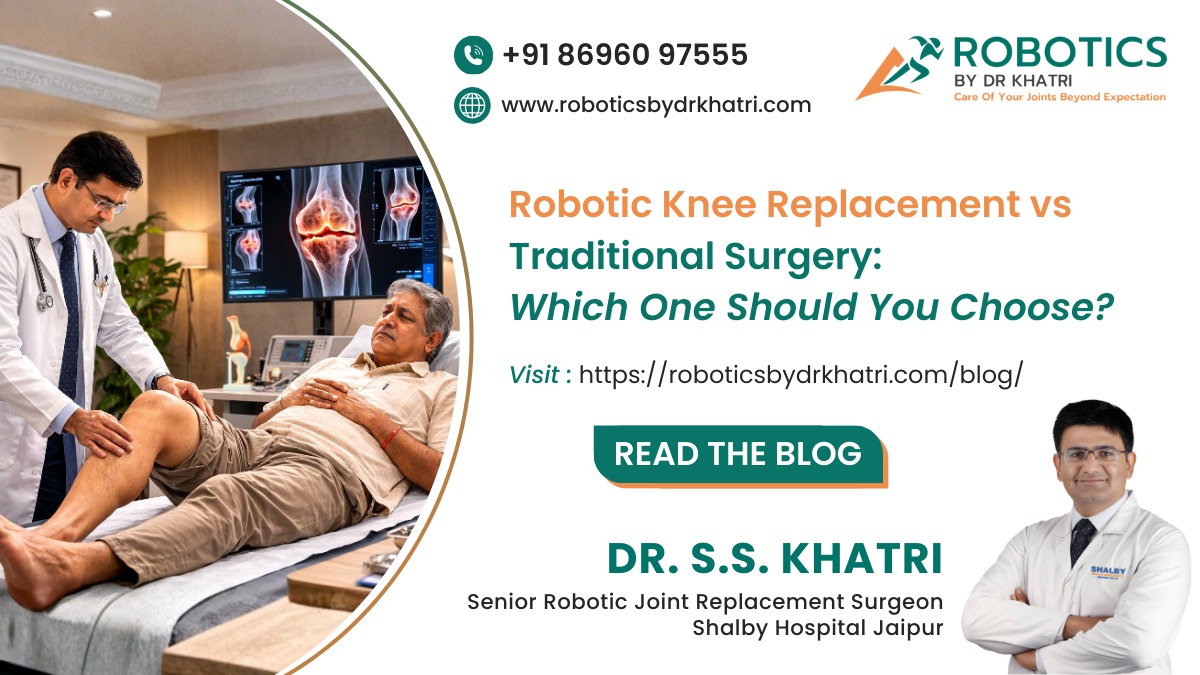
Robotic Knee Replacement vs Traditional Knee Surgery: What’s the Difference?

Knee replacement surgery is a top-notch procedure for patients with chronic knee pain, arthritis, or leg immobility due to other health conditions. Orthopedic surgeons perform knee replacement surgery using manual instruments to place the knee implant at the correct position. Conventional knee surgery has been successful in allowing millions to regain movement in their legs, along with enhancing their quality of life. However, with the advent of advanced health care technologies, patients can now directly benefit from superior results due to better accuracy in treatments. If you are intending to undergo knee replacement surgery, then you can consult the best doctor for knee replacement. Robotic-assisted knee replacement surgery is a promising innovation in orthopedic surgery. This technique amalgamates the expertise of a surgeon with the latest robotic technology, which results in even more precise planning and execution of the surgery. By pointing out the differences between robotic knee replacement surgery and traditional knee surgery, patients as well as healthcare providers can greatly benefit from this advanced technique. These advantages include better techniques, greater accuracy, faster recovery times, and better results. This will help patients make better decisions regarding their treatment. If you are interested in what some of the main differences are between traditional and robotic knee replacement, then this article is for you.

Best Differences Between Typical and Robotic Knee Replacement Surgery

There have been developments in medical technology, which have led to an increase in the availability of options in knee replacement surgery. Robotic knee surgery is a newer, more precise form of knee surgery.
  • Surgical technique
Conventional knee replacement involves the manual skills of the surgeon to remove any defective portions of the bone and properly place the implant. Robot-assisted knee replacement involves a complete robotic system that helps the surgeon prepare the bone according to a pre-planned model and then place the implant. The procedure involves greater precision, and at the same time, the control of the entire procedure stays in the hands of the surgeon. If you want to learn more about it, a knee replacement doctor in Jaipur can help you understand it in detail.
  • Pre-surgical planning
Robotic knee replacement surgery employs the latest imaging modalities, like the CT scan, to produce a 3D model. This enables preoperative planning. The other method employs X-rays, and the skill of the surgeon is essential here. Therefore, robotic knee replacement is more accurate compared to the other methods.
  • Consistent result
Robotic aid makes surgery less variant because of the constant aid and feedback it gives to the surgeon. Skilled surgeons in traditional surgery have the ability to deliver optimal results, and the results of surgery differ from one surgeon to another. However, if you need a robotic knee replacement surgery, you have to find the best robotic knee replacement surgeon in Jaipur.
  • Risk of any complications
Both methods are safe and effective. Robotic surgery is more precise with regard to the proper alignment of implants. Conventional surgery is an established procedure, especially if performed by an experienced surgeon.
  • Long-term outcomes
Both robotic and conventional knee replacements are effective in alleviating the pain associated with knee problems by improving the mobility of the knees. Robotic surgery incorporates technology that results in more accurate placement of the knee replacements to enhance effectiveness. However, to achieve success with both robotic and conventional knee replacements, it is essential to consider the following aspects, which are vital to the effectiveness of the knee replacements, to facilitate the rehabilitation of the patient to engage in their normal activities with vigor.

Conclusion

Robot-assisted knee replacement provides an accurate and tailored treatment, making it the latest development in orthopedic procedures. Conventional knee operation remains an ever-reliable procedure. In the end, it is upon the patients that the choice lies.

Why Your Knee Still Hurts Months After Replacement?

Knee replacement surgery is often seen as the ultimate fix for chronic knee pain; a way to get back to walking comfortably, exercising, and living fully again. But what if months have passed and your knee still hurts? You’re not alone, and it doesn’t always mean something went wrong. Persistent discomfort after knee replacement can happen for several reasons, and understanding them is the first step to recovery.

Understanding Post-Surgery Knee Pain

After a total knee replacement, the body needs time to adjust to the new joint. The muscles, ligaments, and soft tissues around the knee have to relearn movement and strength patterns that changed over time. So, mild pain, swelling, and stiffness for a few months are expected especially when walking long distances, climbing stairs, or sitting for long periods. But pain that continues beyond 3–6 months may signal other underlying issues that deserve medical evaluation.

Common Reasons for Ongoing Knee Pain After Replacement

1. Soft Tissue or Muscle Healing

Even when the artificial joint is functioning perfectly, surrounding tissues may take longer to heal. Tightness or pulling sensations around the knee are common and usually improve with continued physiotherapy.

2. Inflammation or Scar Tissue Formation

Scar tissue (arthrofibrosis) can limit flexibility and cause persistent stiffness or pain. Early and consistent movement exercises are key to preventing it.

3. Infection

Though rare, deep joint infections can cause continuous pain, swelling, redness, or warmth around the knee. This requires immediate medical attention and may need antibiotics or additional surgery.

4. Implant Loosening or Misalignment

In a small number of cases, the prosthetic implant may loosen or not align perfectly over time, leading to mechanical pain. Robotic-assisted surgeries greatly reduce this risk by ensuring precise alignment during the procedure.

5. Nerve Pain or Sensitivity

Sometimes, nerves around the incision become hypersensitive. This may feel like burning, tingling, or shooting pain. Desensitization exercises or medication can help manage this.

6. Overactivity or Weak Muscles

Trying to do too much too soon like returning to heavy physical work can stress the healing knee. Weak thigh muscles also contribute to joint discomfort.

What You Can Do to Relieve Pain

1. Stay Consistent with Physiotherapy

Skipping exercises can slow healing. Controlled stretches and strengthening routines help restore flexibility and stability.

2. Use Cold & Heat Therapy

Ice packs reduce swelling, while gentle heat soothes stiff muscles.

3. Maintain a Healthy Weight

Every extra kilo puts more pressure on your new joint. Losing even a little weight can significantly reduce pain.

4. Follow Up with Your Surgeon

If pain persists beyond 3–6 months, don’t ignore it. An X-ray or scan can help detect hidden causes like implant issues or bone inflammation.

5. Opt for Low-Impact Activities

Replace high-stress activities with swimming, cycling, or yoga. These help strengthen the knee safely.

When to See Your Doctor If You Feel Pain After Knee Replacement Surgery?

You should consult your orthopedic specialist immediately if:
  • Pain increases instead of improving over time
  • The knee feels hot, red, or swollen
  • You develop fever or discharge near the incision
  • The joint feels unstable or clicks painfully while walking
  • Timely intervention ensures faster recovery and protects your new knee joint.
Persistent pain after knee replacement doesn’t always mean something is wrong but it’s a signal that your body needs more care or evaluation. In most cases, simple factors like muscle weakness or scar tissue can be treated with guided physiotherapy and patience. But when pain continues for months, a thorough review by an orthopedic expert is essential. With advances in technology like robotic knee replacement, patients in India today have access to safer, more precise, and faster-healing options than ever before. So if your knee still hurts months after surgery, don’t lose hope, the right diagnosis and care can help you walk pain-free again.