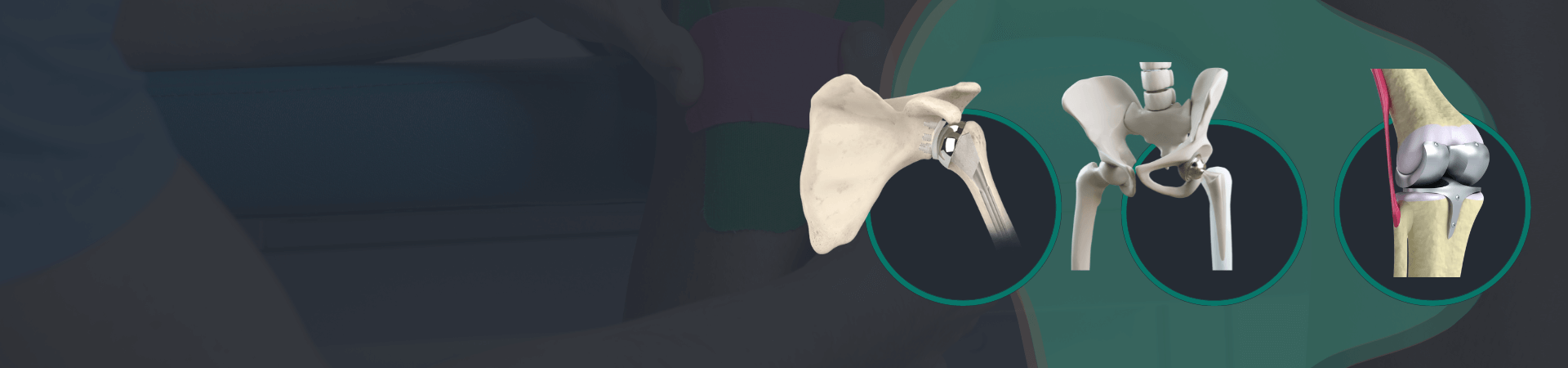
Total Hip Replacement: When Do You Really Need It?

Your hips are a crucial part of your daily activities. They assist you in climbing stairs, getting out of bed, bending down to tie your shoelaces, and even taking a walk. Pain in your joints makes even the simplest of tasks a challenge. What starts as occasional stiffness can turn into a constant source of pain, making it difficult for you to move around and affecting your quality of life. It is essential to get on top of these problems as soon as possible to regain your freedom of movement and improve your quality of life. If you are planning to undergo hip replacement surgery, a reliable total hip replacement surgery in Jaipur can help you. Total hip replacement is often the best option when pain and joint damage make it hard to do daily activities, and other treatments like medicine, therapy, or lifestyle changes don’t help. It’s important to know when surgery is the right option. This procedure not only helps reduce pain but also allows you to move more freely, gain independence, and live without constant limitations.

Signs That Show That You Need a Total Hip Replacement

Total hip replacement is a surgical option for those whose chronic hip pain and stiffness hinder daily activities. When medications and therapy fail to provide relief, surgery may help restore mobility and improve quality of life.
  • Persistent, severe hip pain
If the pain in the hip area persists for a long time and even affects daily activities such as walking, sitting, and sleeping, then it could be a sign of serious damage to the joint. If your hip pain is restricting your movements and reducing your quality of life, it might be the right time to think about further treatment. A best hip replacement surgeon in Jaipur can help you through this.
  • Advanced osteoarthritis
Osteoarthritis is the most common cause of people requiring hip replacement surgery. It causes the wear and tear of the cartilage in the hip joint, and once the cartilage is worn out, the hip joint starts rubbing against each other, causing immense pain and stiffness. Even simple tasks may become difficult, and your quality of life may be affected.
  • Hip fractures or injury
Severe fractures, especially hip fractures, can be very challenging for senior citizens. If the fracture is too severe for normal treatment, hip replacement surgery might be required. This procedure can be a real lifesaver for those with injuries that restrict the way they move.
  • Pain at rest or during sleep
If you are experiencing pain that persists even when you are resting or sleeping, this could be an indication of severe damage to your joints. Such pain is an indication that your joints have deteriorated to the point where inflammation and damage are restricting your movements, which is an indication of how serious the problem is.
  • Reduced quality of life
If your hip pain is interfering with your life goals, your exercise routine, or your social interactions, then hip replacement surgery may be an option to consider. Ref: https://internalmedicine.usc.edu/blog/is-it-time-for-a-hip-replacement/

Conclusion

If your hip pain persists, you find yourself not being able to move around as you would like, and other options have not worked, a total hip replacement may be the way to go. The overall idea of this surgery is to reduce your pain and improve your independence and quality of life. You should discuss this with an orthopedic surgeon. They can assist you in weighing the pros and cons and help you make a decision about when surgery is the right thing to do.

Common Myths About Robotic Surgery — Busted by Experts!

Technology is an integral part of our lives. The progress it has attained in the last few decades is remarkable. All sectors rely primarily on technology. The medical industry falls into this category, as it largely depends on technology.  Did you know that the orthopedic surgical robot market in India generated USD 27.5 million in 2023 and is expected to reach USD 57.3 million by 2030? (Source) This is evidence enough of the popularity of robotic surgery within the country of India. If you are struggling with the effects of arthritis or problems within your knees, the Orthopedic Robotic Surgery in Jaipur is the most effective treatment that will help you regain movement. Robotic surgery is one of the most revolutionary technologies in contemporary medicine, allowing for greater precision, reduced scar tissue, and faster healing time for many surgical procedures. While it is true that a growing number of facilities around the world are embracing this innovation, there exist many myths about it among the community, particularly the patients. These myths arise generally because of a misunderstanding of the innovation and its usage by surgeons. This article aims to give you a clearer explanation of such myths and their bases. We shall begin with the topic. Shall we?

Various Common Myths about Robotic Surgery

Knowing about robotic surgery is essential for making informed healthcare decisions. Robotic surgery is a tool used by trained surgeons; it is not a robot that acts on its own. Clearing up misunderstandings about robotic surgery can help patients feel more confident about it.

1. Robots perform surgery without a surgeon’s presence.

In reality, robotic surgery is robot-assisted surgery in which the surgeon maintains all control. The surgeon controls the robot outside the body, and the robot replicates those movements inside, creating a master-slave relationship. The robot enhances the surgeon’s abilities. For robotic surgery to be successful, the surgeon’s experience and skill are essential. Are you experiencing a ligament or sports injury? Then you should consult the best orthopedic robotic surgeon in Jaipur, who is supervised by a skilled physician. Also, you will get relief soon.

2. Robotic surgery is riskier.

Robotic surgery is not riskier than traditional surgery by nature. Robotic surgery often decreases the risk associated with open surgery procedures like the risk of bleeding, infection, and complications associated with a large incision wound. Robotic surgery equipment provides the surgeon the ability to perform the procedure accurately and offers a high-definition three-dimensional vision system that minimizes the chances of human errors.Like any operation, the risks are determined by the patient’s condition and the surgeon’s skill, not by the technology.

3. It is way too expensive.

One common argument against the widespread use of robotic surgery is its high cost. Robotic systems may ultimately deliver cost savings, even if their initial setup and maintenance are costly. Shorter hospital stays, reduced postoperative care, and fewer complications may mitigate the initial expense.

4. This surgery is only experimental.

Robotic surgery is also considered to be a safe and effective procedure, according to many studies. It is also efficient for various types of surgery and has been shown to have fewer complications than open surgery. It is also evident that patients have better outcomes with robotic surgery compared to older surgical methods. If you are planning orthopedic robotic surgery but are confused, the best Orthopedic Surgeon in Jaipur can help.

5. The recovery process is longer in robotic surgery.

Some patients believe that using cutting-edge technologies may lead to a longer recovery period. However, the reverse is also true: recovery times are shorter. Robotic procedures require less recovery time than conventional techniques since they are minimally invasive and cause little to no damage to the surrounding tissues.

Conclusion

Robotic surgery fears are primarily based on myths and not factual information. When experienced surgeons perform robotic surgery, they enhance accuracy and safety. This promotes positive results and rapid recovery. With this understanding, the patient is able to make well-informed decisions rather than being clouded with misconceptions concerning the technology as well as its functioning. Taking the advice of the expert ensures that the patient embarks on robot-assisted surgery without fear but confidence.

When Should You Visit a Hip Replacement Surgeon in Jaipur During Winter? A Complete Patient-Friendly Guide

For many people in Jaipur and across Rajasthan, winter brings a familiar problem: a sharp increase in hip stiffness, joint pain, and mobility issues. While a mild ache on cold mornings is common, persistent or worsening hip pain may indicate something more serious than weather changes. If you have been searching for “hip replacement surgeon in Jaipur”, “best orthopedic doctor in Rajasthan”, or “hip pain increases in winter what to do”, this guide will help you understand exactly when it’s time to seek a specialist, what symptoms you should never ignore, and why early evaluation can protect your long-term mobility.

Why Does Hip Pain Get Worse in Winter?

Patients often ask orthopedic doctors in Jaipur why joint pain spikes as soon as temperatures drop. Based on current medical understanding:

1. Cold weather tightens muscles and joints

Low temperatures make muscles stiffer and reduce joint lubrication, causing discomfort during movements like walking, climbing stairs, or getting up from bed.

2. Decreased physical activity

Shorter days and colder mornings reduce daily movement, making joints less flexible.

3. Pre-existing arthritis becomes more noticeable

People with osteoarthritis or age-related wear and tear feel stronger pain because the joint capsule responds sensitively to temperature changes.

4. Low barometric pressure

Some research suggests decreased atmospheric pressure may increase swelling inside joints, amplifying pain. Winter pain is not unusual, but continuous or increasing pain is not considered normal.

When Should You Visit a Hip Replacement Surgeon in Jaipur?

Here are clear signs that winter hip pain requires expert assessment from an orthopedic specialist or hip replacement surgeon.

1. Pain lasts longer than 2–3 weeks

If the pain does not settle even after home care, warm compress, and adequate rest, consultation is essential.

2. You experience hip pain at night

Night pain especially on turning in bed is a strong red flag indicating joint damage or advanced arthritis.

3. Difficulty walking, bending, or climbing stairs

Movement difficulty is one of the earliest signs that the hip joint is deteriorating faster than normal.

4. Hip “locking,” “catching,” or “grinding” sensations

These sensations indicate structural damage in the hip joint and should never be ignored.

5. Pain radiating to the thigh, groin, or knee

Hip problems often cause pain in neighboring areas. If winter worsens the radiation, seek medical evaluation.

6. Dependence on painkillers

If you are using painkillers daily to get through routine activities, it is time for a proper orthopedic examination.

7. Previous diagnosis of arthritis

Patients with early arthritis in Jaipur and Rajasthan’s dry climate experience rapid progression if not monitored.

Role of a Hip Replacement Surgeon and Why Early Evaluation Helps

A hip replacement surgeon in Jaipur is not only meant for advanced or last-stage arthritis. Most specialists help patients manage early-stage symptoms, delay surgery when possible, and improve long-term joint function. A timely check-up can help in:
  • Assessing joint damage with X-ray or MRI
  • Recommending physiotherapy or lifestyle modifications
  • Prescribing medicines to reduce inflammation
  • Preventing the hip joint from worsening
  • Planning surgery only when absolutely necessary

Self-Care Tips for Managing Hip Pain During Winter

These techniques can help reduce stiffness and pain naturally.

1. Warm compress therapy

Applying heat on the hip joint improves blood flow and reduces morning stiffness.

2. Daily stretching

Simple hip mobility exercises improve lubrication and reduce pain.

3. Warm clothing

Keeping hip muscles warm can significantly reduce joint stress.

4. Vitamin D monitoring

Rajasthan sees reduced sunlight in winter mornings. Low Vitamin D levels worsen joint pain.

5. Stay active

Light walking, indoor cycling, or physiotherapy keeps joints functional.

6. Maintain healthy weight

Less pressure on the hip means fewer pain episodes

Final say

Winter hip pain is common, but continuous or worsening discomfort is NOT normal and should not be ignored. If you are noticing reduced mobility, night pain, or stiffness in the cold months, consulting an experienced hip replacement surgeon in Jaipur can help diagnose the real cause and provide the right treatment before the condition progresses. Early intervention is the key to long-term mobility, comfort, and independence.

FAQs

1. Why does my hip pain increase in winter?

Cold weather makes joints stiff and reduces lubrication, especially in people with early arthritis.

2. Should I visit a hip replacement surgeon for winter pain?

Yes, if pain lasts more than 2–3 weeks or affects daily movement, you should consult a specialist in Jaipur.

3. Is hip replacement the only solution for chronic hip pain?

Not always. Many patients improve with physiotherapy, medicines, and lifestyle changes if treated early.

4. How do I choose the best hip replacement surgeon in Jaipur?

Look for experience, hospital facilities, patient reviews, and specialization in hip surgeries.

5. Can weather cause arthritis?

No, but winter can worsen symptoms of pre-existing joint damage

Food which prevents Osteoarthritis

Osteoarthritis is the most common persistent joint condition. A joint has two bones coming together. The ends of these bones are covered with protective tissue called cartilage. When suffering from osteoarthritis, this protective cartilage breaks down, causing the bones within the joint to rub together. Some dietary foods can help in taking care of your joints. Although it is impossible nutritional for specific foods or supplements to cure osteoarthritis, but, as per the Arthritis Foundation, some foods in your diets can ameliorate symptoms, such as pain, stiffness and swelling, associated with the disease. Some foods have anti-inflammatory capabilities which helps in reducing these symptoms while other foods may just increase them. Thus, a right diet that is rich in anti-inflammatory foods can help in improving osteoarthritis. By including specific foods in the diet, strength and health of the bones, muscles, and joints can be enhanced. Also they may help the body to combat inflammation and disease.

Foods to eat

Oily fish is a major source of omega-3 fatty acids with anti-inflammatory properties. Patients suffering from osteoarthritis should include at least one portion of oily fish per week in their diets. Those you can’t take fish can consume supplements enriched with omega-3 such as fish oil, krill oil, or flaxseed oil. Other omega-3 sources capable of fighting inflammation includes chia seeds, flaxseed oil, and walnuts. Oils: Selecting products made from vegetable and plant oils, such as olive oil can help reduce inflammation.Oils like extra virgin olive oil contain high levels of oleocanthal, which have properties similar to nonsteroidal anti- inflammatory drugs. Dairy products: Foods rich in calcium and vitamin D like milk, yogurt and cheese, increase the bone strength, which may further help in improving painful symptoms. Dairy products are also enriched with proteins that can help to build muscle. People facing trouble in managing their weight can choose low-fat options. Green vegetables: Dark leafy green vegetables like spinach, kale, collard, chard, etc. are rich in Vitamin D, antioxidants and stress-fighting phytochemicals. Vitamin D is essential for calcium absorption and can also boost the immune system and help the body to fight off infection. Broccoli: According to researchers, Broccoli contains a compound called sulforaphane, which is capable of slowing the progression of osteoarthritis. It is also rich in vitamin K, vitamin C and bone-strengthening calcium. Garlic: Some symptoms can be controlled by stopping the enzymes responsible for causing inflammatory reactions. For instance, a compound called diallyl disulfide that occurs in garlic works against the enzymes responsible for damaging cartilage. Fruits: Eating plenty of fruit can reduce the symptoms due to their antioxidant properties. These include cranberries, red grapes, peaches, raspberries, strawberries, red currants, figs, cherries, pears, guava, oranges, apricots, mango, red grapes, cantaloupe, watermelon, papaya, and tomatoes. Green tea: Green tea contains high levels of antioxidant compounds i.e. polyphenols, that are capable of reducing inflammation and slowing down the rate of cartilage damage. Nuts: Nuts are good for the heart and contain high levels of calcium, magnesium, zinc, vitamin E, and fiber. They also contain alpha-linolenic acid (ALA), which boosts the immune system. Important: So by now we have understood that people suffering from osteoarthritis are in an inflammatory state. Therefore, it is best to avoid foods that contain substances that actively contribute to this inflammation. Dietary Choices. These includes: Sugar. Saturated fats & Refined carbohydrates