

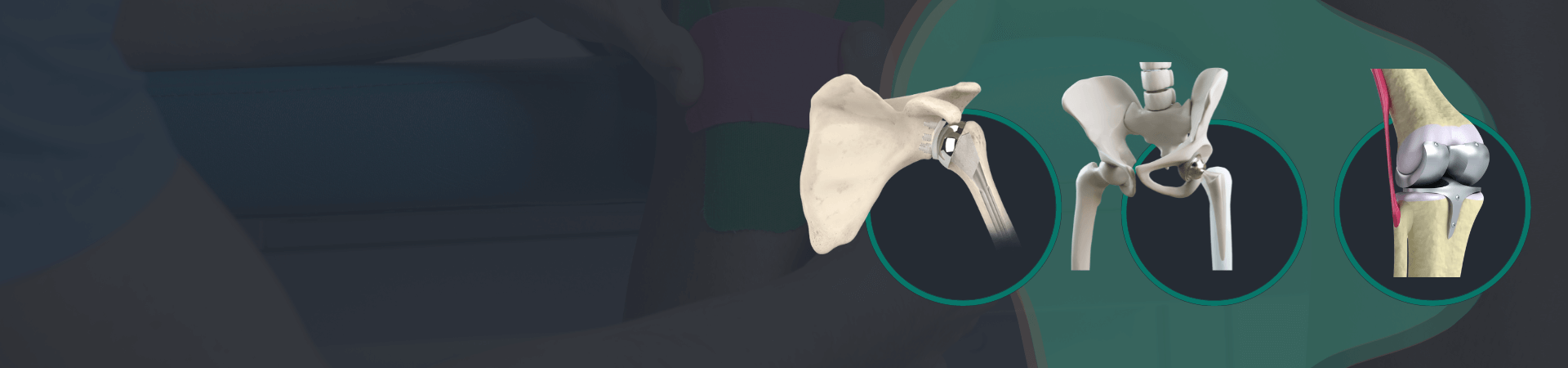

Joints are important for moving through life. They are important for daily activities as well as fun activities. When your joints hurt, feel stiff, or swell, you need to listen to your body. This can turn into a big problem quickly. It can make even simple activities hard. Recognizing when your joints need more care than just rest or medicine is the first step to getting back your freedom and mobility. If you face a severe knee problem, visit the best knee replacement surgeon to fix the issue.
Joint surgery is an important choice that can help restore your function and boost your quality of life. However, it’s essential to be aware of the signs such as the presence of persistent pain, limited movement, and difficulties in daily activities. These signs will enable you to know when to start considering having your joints operated on. By addressing the challenges, you will be able to prevent further damage to your joints and take steps towards a more active and comfortable lifestyle.
Various Signs That Show That You Must Have Joint Surgery
The main signs that indicate that the measures taken to address the condition might not be effective include the presence of persistent pain in the joints, limited movement, and difficulties in daily activities.
• Persistent pain
When joint pain persists despite rest, medication, or physical therapy, it may signal serious underlying joint damage. Chronic pain that continues and disrupts sleep or daily activities often indicates that more serious treatment, like surgery by the best knee replacement surgeon in Jaipurbest robotic knee replacement surgeons, may be necessary to restore function and reduce pain.
• Swelling and inflammation
Persistent or intense swelling, accompanied by warmth or redness in the area surrounding a joint, may serve as a warning sign of underlying joint degeneration or inflammation. If the traditional conservative methods fail to provide the desired relief in the alleviation of such distressing symptoms, the idea of surgical intervention might be considered a possible solution.
• Difficulty performing daily activities
If you experience difficulties in performing daily activities such as walking, using stairs, holding things, or lifting things, it might indicate a problem with a joint. If such difficulties begin to interfere with your daily life, surgery might be a wonderful solution to enable you to move around and carry on with your daily activities and the things you love to do. Such surgeries might greatly enhance your quality of life.
• Bone-on-bone contact
When X-rays or images are taken, and the cartilage is seen to have completely worn off, the bones are touching each other. This is an advanced stage where the damage is severe, and this is characterized by pain and difficulty in movement. This condition might interfere with an individual’s daily activities. At this point, surgery is recommended. This will help an individual get rid of pain and be able to move around. This will help an individual improve their range of motion.
• Limited range of motion
If an individual is finding it difficult to bend, extend, or rotate their joints, this might be an indication that something is wrong with their joints, like the cartilage.Such a condition might cause a lot of pain, and your daily activities might be interfered with, thereby decreasing your quality of life. However, in such a case, surgery might be necessary to correct the damage, alleviate the pain, and allow the joint to function correctly, enabling you to go back to your normal activities.
Conclusion
If you experience some symptoms such as pain, difficulties in movement, swelling, and instability in your joints, which might require joint surgery, it is therefore necessary to act fast to avoid further damage to your health and well-being. If your symptoms persist, it would be wise to seek the attention of a doctor to receive the necessary treatment to alleviate your condition and enable you to go back to your normal activities.
Category: Uncategorized
Essential Insights into Common Complications in Hip Procedures

The human hip is a strong joint, and this enables the human body to move smoothly. This implies that they can be optimistic and know what is expected of them in case they need surgery. The robotic hip replacement surgery, whether simple or complex, can help the human body move freely and reduce pain. While all medical treatments carry some risks, understanding these risks helps patients make informed choices and feel more confident during recovery.
Examining the challenges of hip procedures reveals an important part of care that extends beyond surgery. These challenges include infection and mobility problems. These challenges teach us how important it is to be adequately prepared, vigilant, and give proper aftercare. This helps them understand the challenges involved in treatment and be assured of the best outcomes since they have all the information they require.
Various Essential Insights into Common Complications in Hip Procedures
Hip procedures can be beneficial to individuals, enabling them to move around and have an enhanced quality of life. However, they have some challenges.
Conclusion
While hip surgery has its advantages in terms of movement and ease of pain, one must be aware of the possible risks associated with this procedure. This is vital for a successful recovery. With the right medical guidance and care, one is able to recover and gain a new sense of confidence and a healthy lifestyle.
Examining the challenges of hip procedures reveals an important part of care that extends beyond surgery. These challenges include infection and mobility problems. These challenges teach us how important it is to be adequately prepared, vigilant, and give proper aftercare. This helps them understand the challenges involved in treatment and be assured of the best outcomes since they have all the information they require.
Various Essential Insights into Common Complications in Hip Procedures
Hip procedures can be beneficial to individuals, enabling them to move around and have an enhanced quality of life. However, they have some challenges.
- Infection
- Dislocation of the hip joint
- Nerve or blood vessel damage
- Persistent pain or stiffness
- Allergic reactions to materials
- Blood clots
Conclusion
While hip surgery has its advantages in terms of movement and ease of pain, one must be aware of the possible risks associated with this procedure. This is vital for a successful recovery. With the right medical guidance and care, one is able to recover and gain a new sense of confidence and a healthy lifestyle.
Robotic Hip Replacement: How Advanced Technology Improves Precision and Recovery
Hip pain can make simple activities difficult. Luckily, there is a new treatment option: robotic hip replacement. This advanced method combines skilled surgery with the latest technology. The best robotic knee replacement surgeons now use robotic systems to plan and perform surgeries with great accuracy, tailored to each patient’s unique body. This new method is changing hip replacement surgery for the better.
This level of precision is greatly beneficial in hip replacement surgery. With less tissue damage, reduced pain, and smoother rehabilitation, patients can return to their regular activities faster than ever. The robotic assistance provides a high level of confidence and reliability to hip replacement surgery, which helps in better outcomes and a smart approach to achieve a better quality of life and long-term mobility.
Various Advanced Technologies Improve Precision and Recovery in Hip Replacement The hip replacement surgery by a robot is revolutionizing surgery by employing modern technology and expertise in a precise way. The surgery helps in better accuracy, which leads to less pain and quicker recovery for the patients.
• Personalized surgical planning
The robotic system provides a precise three-dimensional image of the patient’s hip joint, enabling surgeons to see how unique each hip is in shape and form. This is a highly advanced technology that enables surgeons to properly plan each surgery by tailoring a standard approach to meet each patient’s individual needs rather than a standard approach. This personalized robotic knee replacement surgery in Jaipur improves accuracy and yields better surgical outcomes.
• Minimally invasive approach
The first advantage of robotic surgery is that there are no deep cuts, unlike traditional surgery, which causes a lot of damage to muscles and tissues, hence a lot of pain and a long recovery time. Due to their accuracy, robotic surgery helps doctors handle complex parts of the body with a lot of care, hence protecting critical areas of the body. As a result, patients usually spend less time in the hospital and can return to their daily activities sooner.
• Faster recovery time
Patients heal faster with the new methods of hip replacement compared to traditional methods. They will be able to stand, walk, and even resume their normal activities. This helps them get around their homes and become independent soon after their surgery.
• Improved longevity of implants
The placement of the implant is a critical factor to ensure that the artificial hip works and lasts longer. Therefore, if the placement of the implant is accurate, it enhances the range of motion for the joint, thereby improving the quality of life for the patient.
• Better functional outcomes
Patients often see proper improvements in their ability to move, maintain balance, and perform daily activities more easily. This improvement in their ability to move around and the functioning of their joints not only enhances their physical prowess but also their quality of life. This enables them to take part in their daily activities.
• Enhanced precision and accuracy
This advanced robotic arm assists the surgeon during the procedure of placing the implants. It provides the surgeon with the required precision and accuracy to ensure the implants are not misplaced. This enhances the success rates of the surgeon, which in turn enhances the success rates of the surgery.
Conclusion
Robotic hip replacement is the perfect blend of the surgeon’s expertise and technology. It provides the surgeon with the required precision and accuracy to ensure the implants are perfectly positioned, which results in less damage to the tissues.
This level of precision is greatly beneficial in hip replacement surgery. With less tissue damage, reduced pain, and smoother rehabilitation, patients can return to their regular activities faster than ever. The robotic assistance provides a high level of confidence and reliability to hip replacement surgery, which helps in better outcomes and a smart approach to achieve a better quality of life and long-term mobility.
Various Advanced Technologies Improve Precision and Recovery in Hip Replacement The hip replacement surgery by a robot is revolutionizing surgery by employing modern technology and expertise in a precise way. The surgery helps in better accuracy, which leads to less pain and quicker recovery for the patients.
• Personalized surgical planning
The robotic system provides a precise three-dimensional image of the patient’s hip joint, enabling surgeons to see how unique each hip is in shape and form. This is a highly advanced technology that enables surgeons to properly plan each surgery by tailoring a standard approach to meet each patient’s individual needs rather than a standard approach. This personalized robotic knee replacement surgery in Jaipur improves accuracy and yields better surgical outcomes.
• Minimally invasive approach
The first advantage of robotic surgery is that there are no deep cuts, unlike traditional surgery, which causes a lot of damage to muscles and tissues, hence a lot of pain and a long recovery time. Due to their accuracy, robotic surgery helps doctors handle complex parts of the body with a lot of care, hence protecting critical areas of the body. As a result, patients usually spend less time in the hospital and can return to their daily activities sooner.
• Faster recovery time
Patients heal faster with the new methods of hip replacement compared to traditional methods. They will be able to stand, walk, and even resume their normal activities. This helps them get around their homes and become independent soon after their surgery.
• Improved longevity of implants
The placement of the implant is a critical factor to ensure that the artificial hip works and lasts longer. Therefore, if the placement of the implant is accurate, it enhances the range of motion for the joint, thereby improving the quality of life for the patient.
• Better functional outcomes
Patients often see proper improvements in their ability to move, maintain balance, and perform daily activities more easily. This improvement in their ability to move around and the functioning of their joints not only enhances their physical prowess but also their quality of life. This enables them to take part in their daily activities.
• Enhanced precision and accuracy
This advanced robotic arm assists the surgeon during the procedure of placing the implants. It provides the surgeon with the required precision and accuracy to ensure the implants are not misplaced. This enhances the success rates of the surgeon, which in turn enhances the success rates of the surgery.
Conclusion
Robotic hip replacement is the perfect blend of the surgeon’s expertise and technology. It provides the surgeon with the required precision and accuracy to ensure the implants are perfectly positioned, which results in less damage to the tissues.
Pain Management & Physiotherapy After Knee and Total Hip Replacement
Recovery after knee or hip replacement by the best robotic knee replacement surgeon is more than just healing; it’s about regaining movement, confidence, and independence. Good postoperative care and focused physiotherapy are key to turning a successful surgery into a great recovery. Guided rehab post-surgery reduces pain, improves mobility, and builds strength. With each movement, you will find it gets easier and more natural, helping you lead a vibrant and active life.
A good physiotherapy program offers personalized care that helps patients move from gentle exercises to daily activities. With regular effort and support from professionals, patients can regain their physical abilities and feel freer. This journey takes patience and shows measurable progress, with each small improvement being an important step towards a more active and fulfilling future.
Various Pain Management and Physiotherapy After Knee and Total Hip Replacement Recovery after knee and hip replacement starts with pain management and physiotherapy. Structured rehabilitation improves mobility, reduces discomfort, and restores strength for confident daily activity.
Conclusion The management of pain and participation in scheduled physiotherapy activities are of great value for a smooth recovery for patients who have undergone surgery for knee and hip replacements. With commitment and guidance from experts, patients can regain their mobility and live an active and independent lifestyle.
A good physiotherapy program offers personalized care that helps patients move from gentle exercises to daily activities. With regular effort and support from professionals, patients can regain their physical abilities and feel freer. This journey takes patience and shows measurable progress, with each small improvement being an important step towards a more active and fulfilling future.
Various Pain Management and Physiotherapy After Knee and Total Hip Replacement Recovery after knee and hip replacement starts with pain management and physiotherapy. Structured rehabilitation improves mobility, reduces discomfort, and restores strength for confident daily activity.
- Pain management (paragain management)
- Range of motion exercises
- Gait training (walking practice)
- Functional training
- Gradual progression
Conclusion The management of pain and participation in scheduled physiotherapy activities are of great value for a smooth recovery for patients who have undergone surgery for knee and hip replacements. With commitment and guidance from experts, patients can regain their mobility and live an active and independent lifestyle.
Total Knee Arthroplasty: What Indian Patients Should Know About It
Knee pain has quietly become one of the most common health issues in India. Whether it’s due to arthritis, old injuries, or years of strain on the joints, many people find it difficult to walk, climb stairs, or even rest without discomfort. When medication, injections, and physiotherapy stop helping, Total Knee Arthroplasty or Knee Replacement Surgery can offer real, lasting relief.
Understanding Total Knee Arthroplasty
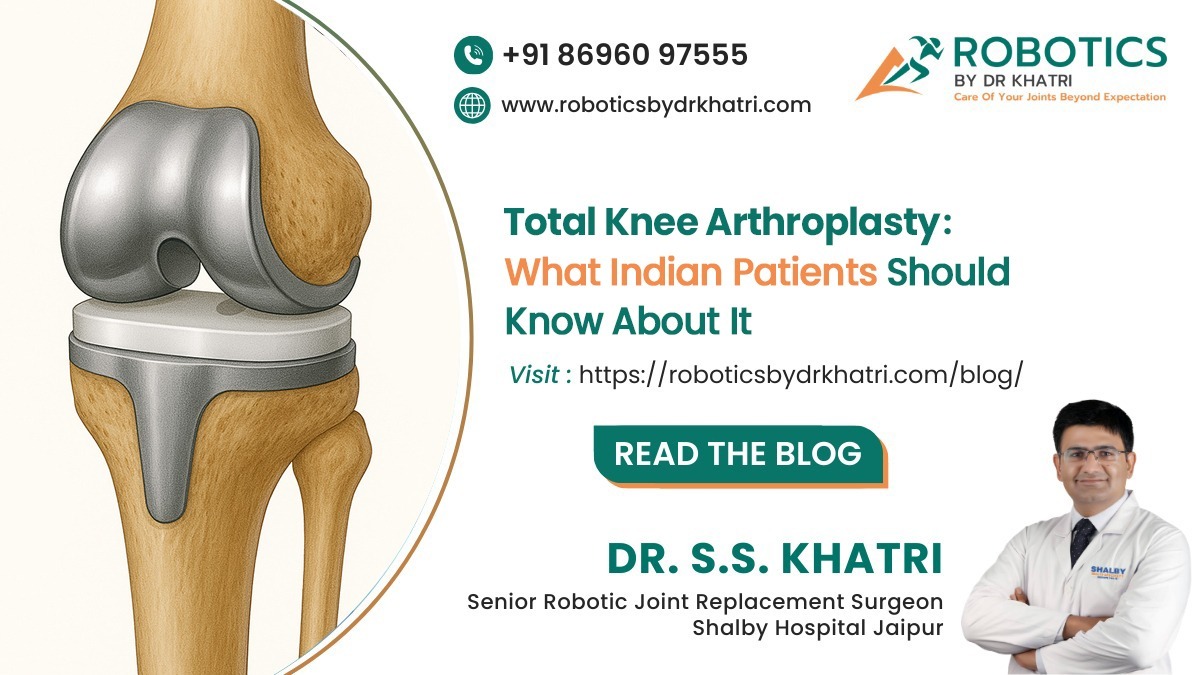
In simple terms, Total Knee Arthroplasty (TKA) involves replacing the damaged surfaces of the knee joint with artificial components. These parts, made from strong medical metals and smooth plastic, work together like a natural joint — helping you move more easily and without constant pain. Over the past few years, knee replacement surgery in India has advanced rapidly. Many hospitals in Jaipur and across Rajasthan now use robotic and computer-assisted systems that make every step of the surgery more precise. These technologies help surgeons plan the operation in detail, place implants perfectly, and speed up recovery for patients.When to Consider Surgery
Not everyone with knee pain needs surgery right away. But there are some clear signs when it may be time to discuss Total Knee Replacement with your doctor:- Pain that doesn’t ease even with rest or medication
- Stiffness or swelling that limits movement
- Trouble walking, climbing stairs, or standing for long
- Pain that keeps you awake at night
What Happens During the Procedure: Total Knee Arthroplasty
In a Total Knee Arthroplasty, the surgeon removes the worn-out bone and cartilage from the joint and replaces them with smooth, durable implants. The goal is to restore alignment and make the knee move naturally again. With Robotic Knee Replacement Surgery, surgeons can use a detailed 3D model of your knee for guidance. This allows for smaller incisions, less tissue trauma, and faster healing.Recovery After Surgery of Knee Arthroplasty
Most patients start walking with assistance within a day or two of surgery. Physiotherapy begins early and continues for a few weeks, helping you regain flexibility and strength. A balanced diet, proper rest, and consistent exercise play a major role in healing. By the third month, most people can resume normal daily activities comfortably.Knee Replacement in India: The Modern Outlook
In India, knee replacement surgeries have become both safer and more affordable over the past decade. With improved surgical techniques, advanced implants, and specialized rehabilitation, patients are seeing excellent long-term outcomes. Cities like Jaipur are now leading centers for orthopedic care in Rajasthan, offering both traditional and robotic procedures.What Doctors Say
Total Knee Arthroplasty is about more than just replacing a joint — it’s about regaining confidence, independence, and a better quality of life. With the expertise of skilled orthopedic surgeons in Jaipur and the availability of advanced robotic systems, Indian patients can look forward to moving pain-free again. If knee pain has been holding you back, consult an experienced orthopedic specialist and take the first step toward a healthier, more active future.What You Should Know Before and After the Procedure: Hip Replacement Surgery in Jaipur
When simple things like walking, sitting, or climbing stairs start to hurt, life can become frustrating. For many people in Jaipur and across Rajasthan, hip pain slowly takes away their comfort and independence. But the good news is that modern Hip Replacement Surgery can help you move freely again without that constant pain or stiffness. Today, Hip Replacement Surgery in Jaipur has become a safe, effective, and reliable procedure. It allows patients to regain mobility, relieve chronic pain, and return to normal routines within a few months. If you or a loved one are considering this surgery, here’s a clear and honest look at what happens before, during, and after the procedure.
What Is Hip Replacement Surgery?
Hip Replacement Surgery (also called Total Hip Arthroplasty) is performed when the hip joint is badly damaged often due to arthritis, an old injury, or natural wear and tear. The damaged parts of the hip are removed and replaced with an artificial joint made from metal, ceramic, or medical-grade plastic. The goal is simple to restore movement and relieve pain that no longer responds to medicine or physiotherapy. Over the years, Total Hip Replacement Surgery in Jaipur has helped thousands of patients walk without pain, climb stairs comfortably, and return to an active lifestyle. It’s now considered one of the most successful orthopedic procedures worldwide.When Should You Consider Hip Replacement Surgery?
It’s not always easy to decide when to move forward with surgery. You may already be trying medicines, physiotherapy, or exercise. But certain signs can mean your hip needs more help:- Pain that doesn’t go away even after rest or medication
- Difficulty walking, sitting, or getting into a car
- Hip pain that disturbs your sleep
- Stiffness or limping that limits your day-to-day activities
Getting Ready for the Surgery
Preparation makes recovery easier and safer. Once your surgeon confirms you’re fit for hip replacement, you’ll be advised to undergo a few pre-surgery checks- blood tests, ECG, and X-rays. These help the team understand your health status and plan your surgery precisely. Here’s how you can prepare:- Stop blood thinners or other specific medications if advised
- Eat a balanced diet and try to stay active before the surgery
- Quit smoking to speed up healing
- Prepare your home for easy movement, install grab bars, keep essentials close, and declutter walkways
- Learn simple physiotherapy exercises that you’ll continue after the surgery
- These small efforts help you recover faster and with fewer complications once the surgery is done.
What Happens During the Surgery
On the day of the procedure, anesthesia is administered to keep you comfortable. The surgeon then removes the damaged portion of the hip joint and replaces it with an artificial implant. In advanced hospitals, Robotic Hip Replacement Surgery in Jaipur is now available. This technology uses 3D imaging to create a digital model of your hip, allowing the surgeon to plan each step precisely. The robotic system helps in achieving perfect implant placement, smaller incisions, and quicker recovery. The entire process usually takes two to three hours. After the surgery, you’ll be monitored closely before being moved to your hospital room.Life After Surgery: Recovery and Rehabilitation
The real healing begins after surgery. You’ll start gentle movements and light walking usually within a day or two under supervision. Physiotherapy becomes your best friend during this time. A physiotherapist will help you learn how to move safely, strengthen your muscles, and improve flexibility. These sessions ensure your new joint adjusts well and functions naturally.- Within a few weeks, you’ll notice progress:
- Pain and stiffness gradually reduce
- Walking becomes easier
- You regain strength and stability
- Sleep quality improves
Making Recovery Easier- Hip Replacement Surgery in Jaipur
The recovery phase requires patience, care, and consistency. Following a few simple tips can make a big difference:- Stick to your physiotherapy routine
- Avoid bending your hip beyond 90° for the first few weeks
- Use a walker or cane until your balance improves
- Eat calcium- and protein-rich foods to strengthen your bones
- Get enough rest and stay hydrated
Living Well After a Hip Replacement
After recovery, you’ll be able to move more freely and enjoy your favorite activities again. However, taking care of your new joint is essential for long-term success.- Here are a few simple lifestyle habits to protect your new hip:
- Maintain a healthy weight to reduce pressure on the joint
- Prefer low-impact exercises like walking, swimming, or cycling
- Avoid high-impact sports such as running or jumping
- Listen to your body — don’t ignore pain or swelling
- Visit your orthopedic surgeon in Jaipur for regular follow-ups
- With the right care, your new hip can last 15–20 years or even longer.