Life After Total Hip Replacement: Mobility, Lifestyle & Precautions

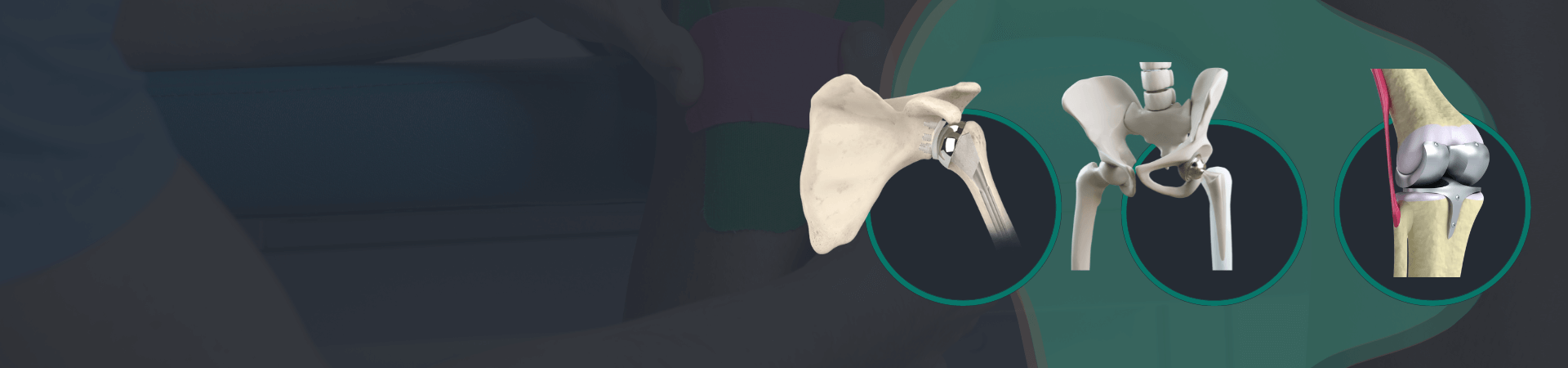
Total hip replacement surgery brings a new and hopeful beginning. Patients can easily experience reduced pain, ease of movement, and independence. Prior to the surgery, patients were unable to perform daily tasks such as walking and climbing stairs due to chronic pain in the hip region. After the surgery and the subsequent recovery process with the best hip replacement surgeon in Jaipur, patients can easily regain their mobility and confidence. After total hip replacement surgery, you can expect to have improved mobility, and it is necessary that you modify your lifestyle and take the right steps to ensure success. To protect your new joint, maintain a healthy weight, engage in low-impact exercises, and follow your doctor’s advice. Balance movement and care for a vibrant life post-hip replacement with fewer restrictions.

Understand Life After Total Hip Replacement

Total hip replacement usually provides pain relief and better mobility for daily activities. Taking proper care of yourself after hip replacement surgery is very important for ensuring that the result is not temporary.
  • Gradual return to movement
With proper care, most patients can start walking in one or two days after total hip replacement surgery in Jaipur. Physical therapy is an important part of regaining strength, mobility, and balance. Most patients can get back to their normal routine in 6 to 12 weeks.
  • Assistive devices
In the early recovery phase, using walkers, crutches, or canes can be crucial for getting around. These devices make the healing process easier for the joint that has just been surgically operated on. They provide support and balance, allowing the person to move safely while the joint gains strength and flexibility.
  • Maintain a healthy weight.
Having excess weight puts additional stress on the joints that have been replaced with artificial ones. This additional stress may cause pain and limit mobility. It is important to have a well-balanced diet to aid in the healing process and prolong the life of the joints.
  • Modify daily habits
Choose chairs that provide good support and have armrests for extra comfort and stability. Avoid low seating options because they can make it hard to stand up. If need be, consider adding safety rails to your bathroom to provide additional support to prevent slipping and falling, thus making the room easier to navigate.
  • Stay physically active
Low-impact exercises such as walking, swimming, and cycling are very healthy for you. These exercises will give you a gentle workout and will help you develop muscles around your joints, thus improving your balance. Incorporating these exercises into your daily routine will help improve your mobility, reduce the risk of injury, and still allow you to spend time outdoors.
  • Avoid high-impact activities
Activities such as running, jumping, or lifting heavy objects can damage your implant. These high-impact sports and exercises can increase the risk of injury and shorten the lifespan of the implant. It’s important to choose gentler forms of exercise to help your implant last longer and work better.
  • Watch for warning signs.
Swelling and redness around the affected area, along with intense pain and a persistent fever, may indicate an infection that needs attention. If you feel sudden, sharp pain or instability, report these symptoms right away, as they may signal a more serious problem. Ref: https://healthcare.utah.edu/orthopaedics/specialties/joint-replacement/patient-guide/after-hip-replacement

Conclusion

However, life after a total hip replacement can still be full of activity and joy if you continue to follow exercises for mobility, healthy habits, and safety precautions. With proper and continued care, patients can actually regain their independence and live a fuller and better life.


What Is Robotic Joint Replacement and How Does It Improve Accuracy?

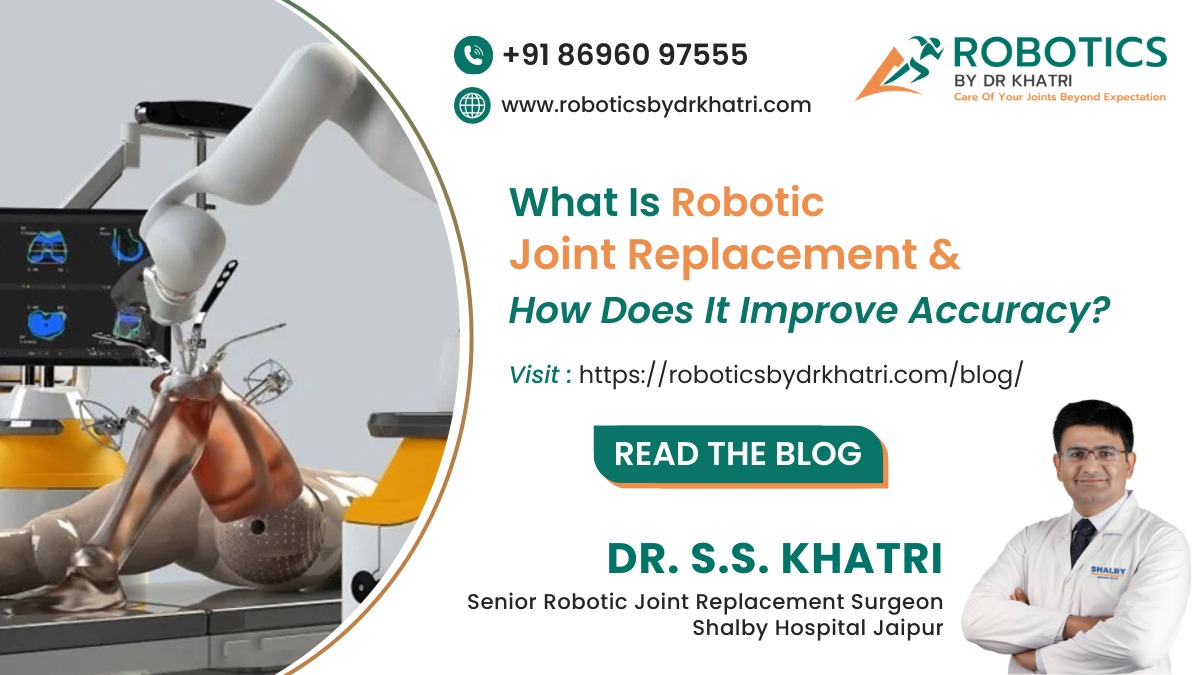
Joint replacement has transformed countless lives by offering better movement and quality of life. But traditional knee replacement can involve a very long recovery, which in itself may make people think twice about doing it. Thankfully, advancements in technology have developed a new option: robotic joint replacement. This method has changed how the surgery is performed. If you’re thinking about a knee replacement, a skilled robotic knee replacement surgeon in Jaipur can help you achieve a successful result. But what is robotic joint replacement? Robotic-assisted joint replacements use 3D planning before surgery and computer guidance during the operation. With robotic tools that provide feedback, surgeons can carefully remove damaged bone and cartilage and fit artificial joints more accurately. This process also helps to save healthy tissue. During surgery, the robotic system provides real-time feedback and precise guidance. It helps surgeons in the proper execution of plans. The technology ensures that there are exact bone cuts, correct implant placements, and proper joint alignments. It, therefore, limits mistakes and minimizes risks. Patients benefit through better joint functionality, longer-lasting implants, and predictable surgical outcomes.

Various Ways to Improve the Accuracy of Robotic Joint Replacement

Robotic joint replacement aids surgeons in accurately placing implants through advanced imaging and computer-guided planning. This results in better alignment, improved joint function, and more reliable outcomes.

Patient-specific 3D surgical planning

In a robotic joint replacement surgery, advanced images are taken through a process such as a CT scan or even an X-ray. The images provide a 3D representation of the patient’s own joint. With this precision, surgeons can easily determine the best size and design to match the patient’s own anatomy, providing the patient with a perfect solution to their own joint difficulties. If you are planning to do a robotic knee surgery, then do it in a clinic that specializes in the best knee replacement surgery.
  • Millimeter-level precision
The robotic technology that is changing surgery is one that allows for an incredible level of accuracy in bones or implants. Such an advanced procedure is one made with very precise measurements, where everything is done with great precision. Such precision is usually better with the robotic system compared to the traditional methods used in surgery.
  • Improved implant alignment and balance
Proper implant positioning is quite important in order to maintain joint stability and facilitate smooth movement. The integration aspect concerning robotic assistance in joint positioning provides accurate positioning with the aim of attaining optimal balance in the soft tissue. The meticulous positioning of the implant helps in maintaining joint stability as well as reducing wear and tear in the future.
  • Preservation of healthy bone and tissue
Robotic systems help protect nearby bone and soft tissue by cutting only in specific areas. This careful approach improves surgical precision and makes it easier to rebuild joints effectively. As a result, patients have better overall outcomes.
  • Real-Time intraoperative guidance
As this process takes place, it also promotes a sense of feedback to the surgeon, helping them understand the process while acting like an advisor to them, helping them coordinate every single move appropriately with their surgical plan, allowing them to act intentionally in their process of performing a very complex operation. Ref: Robotic-Assisted Joint Replacement

Conclusion

Robotic joint replacement significantly enhances accuracy through personalized planning, real-time guidance, and precise execution. These advancements ensure optimal implant positioning, elevate joint performance, and deliver more reliable long-term outcomes for patients.

Recovery Timeline After Total Hip Replacement: What Patients Should Expect

Hip replacement surgery in Jaipur is a strong solution to hip pain and the return to full movement. For those suffering from arthritis, injuries, or overall joint problems, it is a major turning point and offers a new beginning in living life to the fullest. However, the process of recovery itself is a story to be told. The healing process does not occur overnight but takes place in stages, such as the early healing process, rehabilitation, and finally learning to move again. Accepting this process helps one live an active and fulfilling life. It is important to understand what happens after surgery. By understanding what is to come, patients are able to build confidence and a sense of control. Every step of the way, from assisted mobility to achieving independence, is an important part of the long-term success of hip replacement surgery. A recovery timeline helps patients create realistic goals following a hip replacement surgery. In this article, we will discuss what the recovery timeline looks like. Let’s start the topic. Shall we?

Various Recovery Timelines for The Total Hip Replacement that Patients Should Expect

Total hip replacement is a surgical plan that helps reduce pain and improve mobility. Recovery is a process that takes time, patience, therapy, and care. The knowledge of the recovery process will help patients set goals and take charge of their recovery.
  • Immediately after surgery
Most patients can stand or walk with assistance within 24 hours. Pain and swelling are expected, but medications are available to keep them in check. A physiotherapist will walk you through some exercises that will help increase blood flow and prevent stiffness. Most patients remain in the hospital for 2 to 4 days, depending on the pace of recovery. During this time, the emphasis is on walking, learning basic movements, and pain control. If you want a successful hip surgery, then visit the best hip replacement surgeon in Jaipur near your location.
  • Initial stage recovery
Using a walker or crutches gets easier each day. Daily physiotherapy builds strength in hip muscles and improves movement. Swelling goes down, and pain becomes much less. Patients can perform simple activities such as sitting, standing, and taking short walks more easily. With ongoing support, individuals can look forward to better mobility and greater confidence.
  • Intermediate recovery stage
Many patients find themselves slowly transitioning from walkers to canes and even to the point where they do not need any assistance at all. They experience dramatic improvements in muscle strength, balance, and coordination. Most patients are able to regain enough strength to go back to their desk jobs and perform light housekeeping chores. They can also resume driving with the doctor’s approval.
  • Full recovery stage
Most patients fully recover and regain their hip strength and stability. This improvement allows people to engage in low-impact activities such as walking, swimming, and cycling. Surgeons will gradually lift restrictions and provide medical advice to ensure a safe transition.
  • Long-term recovery
An artificial hip fits securely in place, and patients reach their peak muscle strength and flexibility. They experience significant long-term pain relief and improved mobility. Regular follow-up appointments ensure the implant remains healthy. Recovering from a total hip replacement takes time and effort. With proper care and rehabilitation, most patients can return to an active and pain-free life. In the next paragraph, we will provide you with some tips to help you recover from the issue.

Tips For Recovering from Total Hip Replacement Surgery

Sometimes people make minor mistakes after hip replacement surgery, which can delay recovery. Here are some tips to help you avoid these mistakes.
  • You need to do proper exercise or physiotherapy on a daily basis
  • You need to rest properly and have a clean diet.
  • You should not do any high-intensity workouts.
  • Patients also need to develop a healthy weight.
  • You need to visit your doctor for your follow-ups.
🔗 Reference Link: https://www.mayoclinic.org/tests-procedures/hip-replacement/about/pac-20385042

Conclusion

Total hip surgery can only be successful if people follow proper instructions and perform the recommended exercises. And while in the recovery phase, if you face any issues, feel free to visit your doctor. If you are planning to go with the procedure but need more information, visit Robotics by Dr. Khatri. They will help you understand the procedure in more detail.

The Future of Orthopedic Surgery: How Robotics Is Changing Joint Treatment

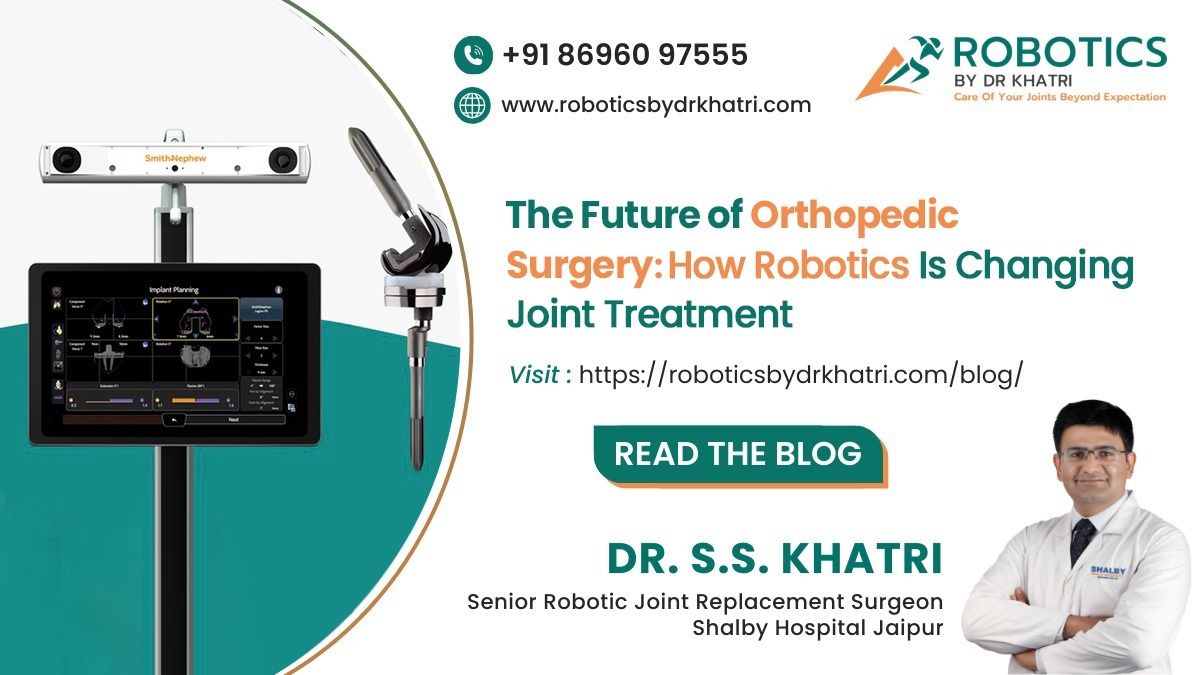
Orthopedic surgery is undergoing significant change. Conventionally, one could argue that surgery was something that relied entirely on the capabilities of doctors, but with recent advances in the field of medicine, this view seems to be rather outdated. In modern surgery, technology seems to have found a rather prominent place as something that makes surgery possible or successful. Robotic surgery seems to have moved rather quickly from being science fiction to something rather essential in orthopedic surgery, particularly in joint replacement surgery. Orthopedic Robotic Surgery in Jaipur seems to be one of the best options for you if you are considering undergoing knee surgery and need to have a rapid and smooth post-surgery process. It is pertinent to note that over 1.5 lakh knee replacement surgeries take place in India every year, and this number is steadily rising with an influx of robotic-assisted surgeries (Source). This phenomenon makes it evident that a growing number of physicians are showing interest in performing robotic surgeries because of their success rates. There are many changes happening in orthopedic surgeries due to advancements in joint treatment procedures using robotics technology. With the advent of novel robotics, imaging, and analytics, there is now the possibility of surgeons operating with enhanced precision. This is going to bring significant changes in joint treatments such as arthritis, injuries, and other diseases, and these changes are good news for patients, as they would lead to improved outcomes during surgeries. If you are thinking about the impact on joint surgeries, then read this article until the end.

Different Forms in Which Robotics is Revolutionizing Joint Replacement in Orthopedic Surgeons

Robotic assistants are changing the field of surgery by joining the skills of human surgeons with the precision of technology. This has decreased the complication rate and facilitated the speedy recovery of patients in orthopedic surgery.
  • Increase the precision
Robot-assisted offers high-definition 3D imaging that allows surgeons to plan and execute surgeries with ease. The imaging technology allows the surgeon to get a clear view of the human body structures. Therefore, the individual can perform surgeries with ease.
  • Improve implant longevity.
This helps in avoiding uneven wear and tear of the implant. Robotic assistance during surgery has greatly aided in the accuracy of implants. This has contributed to the longevity of implants and reduced the need for revision surgery. If you are interested in reading more, consult the best doctor for knee replacement near you.
  • Smooth recovery
Robotic surgery allows for an accurate and minimally invasive approach. This helps the patient heal because they can recover faster. They can also regain their mobility and go back to their normal routine. Most patients can be released from the hospital faster. This not only enables them to go back to their normal routine, but they also avoid the strain associated with a longer hospital stay.
  • Boost the surgeon’s confidence.
Robotic systems will not replace surgeons; rather, they will be strong aids that will enhance their capabilities. The latest technologies will enable the surgeons to have complete control over the surgeries, along with improved guidance and stability. The data will enable the surgeons to make proper decisions regarding the surgeries, leading to enhanced care. The best knee replacement in Jaipur will enable you to have a successful knee replacement surgery without any complications.
  • Various applications in orthopedics  
Robotics has also significantly impacted the area of knee and hip replacement surgery. This technology has boosted the efficiency and accuracy of the process. Researchers are also exploring the potential use of robots in backbone surgery and shoulder surgery, as well as joint surgery that has resulted from trauma. This new technology implies that the future may hold robotic-assisted surgery as the standard process.

Conclusion

Robotic technology is advancing orthopedic surgery. With expertise in surgeries combined with high precision and planning data, orthopedic surgery is being upgraded with the help of robots. As this technology advances, patients can look forward to safe surgeries, rapid recoveries, and positive outcomes. Robotic-assisted orthopedics is an important advancement in healthcare.

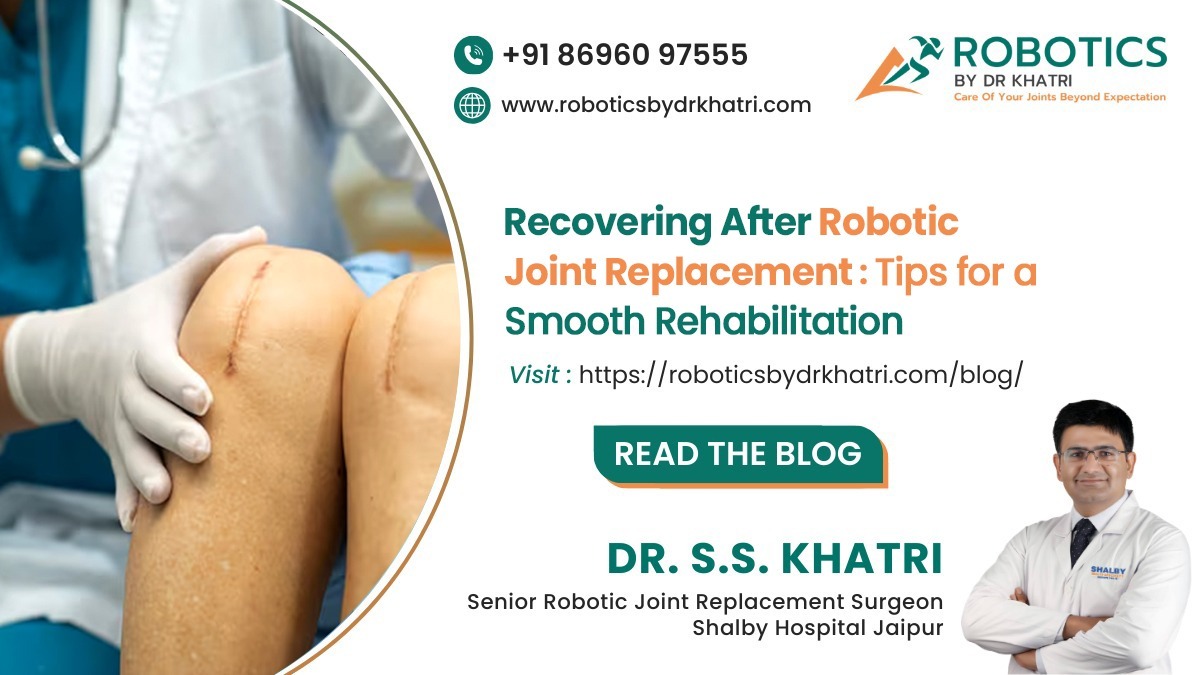
Recovering After Robotic Joint Replacement: Tips for a Smooth Rehabilitation

The knee is one of the most complex areas within our body. As we mature, the knee can develop wear and tear because of a reduction in cartilage thickness as well as a reduction in the fluid levels within the knee joint, making it less lubricated. This will cause severe knee pain. Disregard of such knee problems can lead to severe outcomes, such as Robotic Joint replacement surgery. You are concerned about a knee replacement operation but are unable to find a trusted knee surgeon to support you? In such a case, Orthopedic Robotic Surgery in Jaipur is a brilliant option to handle your concern. Knee replacement surgery has undergone many advancements in the past few years, and this is particularly due to the use of robots in surgery. So, in the wake of advanced technologies and modern medical equipment being used in knee replacement surgery, it is pertinent to note that recovery is an integral part of robotic knee replacement surgery. If you want to get some insight into how to recover from surgery easily, you should continue reading. Let’s start.

Various Methods of Rehabilitation After Robotic Joint Replacement Surgery

Successful rehabilitation also requires proper physical therapy and good habits. Advice from a doctor and exercise also contribute to a smooth rehabilitation process, as patients are able to return to daily functions.
  • When possible, start physical therapy early.

Regaining strength and mobility means undergoing physical therapy. To recover your flexibility, you will engage in light exercises in 24 to 48 hours. As you progress, strengthening exercises will also follow. Attending physical therapy sessions regularly will greatly help in achieving good results in the long run. Because of this, you have to look for someone who can perform your surgery faultlessly so that you can recover smoothly. With the help of the best doctor for knee replacement, everything will go smoothly.
  • Eat healthy and eat in moderation.

A balanced diet rich in quality protein, key vitamins, and essential minerals acts as an important ingredient in facilitating the healing process. By adding such food ingredients to their diets, patients can gain strength, heal faster, and reduce inflammation in their bodies, thus improving their health.
  • Follow the advice of your surgeon and therapist.

Robotic joint replacement surgery provides great precision, but your post-operative care is in your hands, and you should follow the instructions properly to achieve a smoother recovery. Following your medication schedule as advised by your Orthopedic Surgeon in Jaipur is very important for pain control and to prevent infection. Taking good care of your wound is also very important to avoid any complications. You should also follow the instructions for movements to recover properly and regain your mobility.
  • Attempt to be positive.

Among the best healing strategies you could use is having an upbeat attitude. Whether you’ve undergone hip or knee replacement surgery with robots, note the progress you are making, no matter how minute. Moreover, set achievable goals and celebrate your successes, such as learning to move around and to walk alone.
  • Attempt to do some home exercise.

Physical therapy is just one method of rehabilitation. It is necessary to do the exercise assignments from physical therapy in order to maintain progress and also to aid in gaining better health. Not only does it aid in increasing health, but it also enables an individual to feel more mobile and resilient.

Conclusion

Rehabilitation and recovery after robotic joint replacement procedures need to be a targeted effort. Always follow the advice of your attending physician, move around within the restrictions of your health, and above all, focus on maintaining good health to make the whole process of rehabilitation relatively easier for you. With dedication and commitment, you can witness improvements in your mobility, your pain, and the functions of your joints.

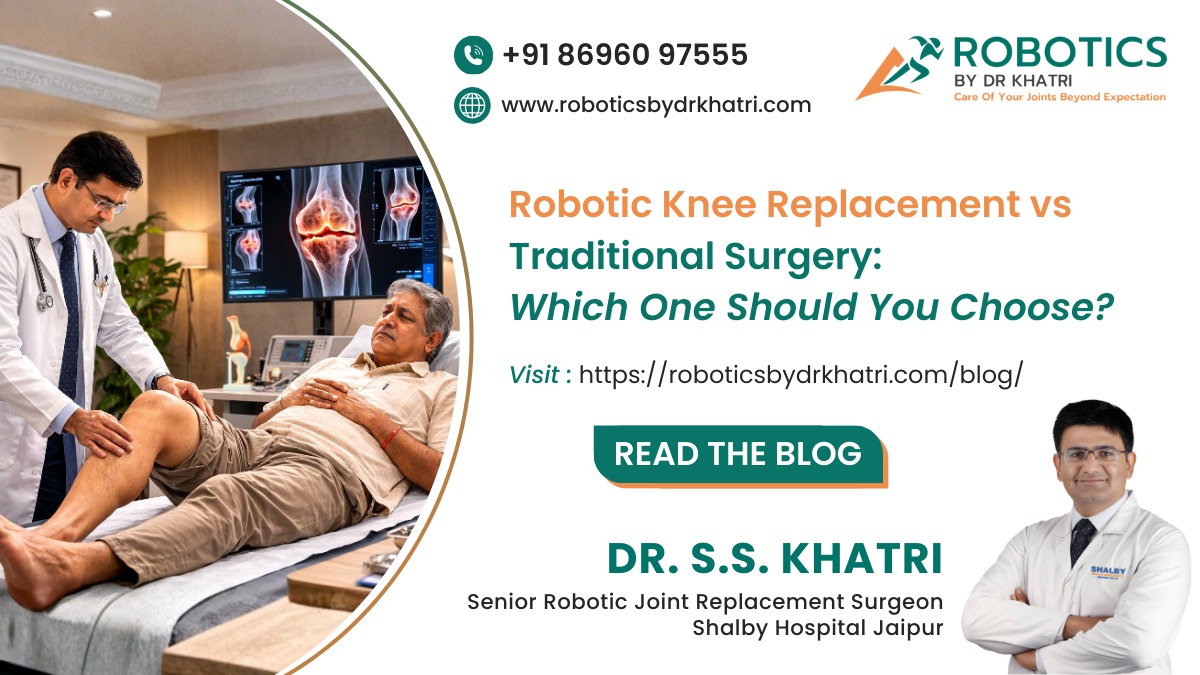
Robotic Knee Replacement vs Traditional Knee Surgery: What’s the Difference?

Knee replacement surgery is a top-notch procedure for patients with chronic knee pain, arthritis, or leg immobility due to other health conditions. Orthopedic surgeons perform knee replacement surgery using manual instruments to place the knee implant at the correct position. Conventional knee surgery has been successful in allowing millions to regain movement in their legs, along with enhancing their quality of life. However, with the advent of advanced health care technologies, patients can now directly benefit from superior results due to better accuracy in treatments. If you are intending to undergo knee replacement surgery, then you can consult the best doctor for knee replacement. Robotic-assisted knee replacement surgery is a promising innovation in orthopedic surgery. This technique amalgamates the expertise of a surgeon with the latest robotic technology, which results in even more precise planning and execution of the surgery. By pointing out the differences between robotic knee replacement surgery and traditional knee surgery, patients as well as healthcare providers can greatly benefit from this advanced technique. These advantages include better techniques, greater accuracy, faster recovery times, and better results. This will help patients make better decisions regarding their treatment. If you are interested in what some of the main differences are between traditional and robotic knee replacement, then this article is for you.

Best Differences Between Typical and Robotic Knee Replacement Surgery

There have been developments in medical technology, which have led to an increase in the availability of options in knee replacement surgery. Robotic knee surgery is a newer, more precise form of knee surgery.
  • Surgical technique
Conventional knee replacement involves the manual skills of the surgeon to remove any defective portions of the bone and properly place the implant. Robot-assisted knee replacement involves a complete robotic system that helps the surgeon prepare the bone according to a pre-planned model and then place the implant. The procedure involves greater precision, and at the same time, the control of the entire procedure stays in the hands of the surgeon. If you want to learn more about it, a knee replacement doctor in Jaipur can help you understand it in detail.
  • Pre-surgical planning
Robotic knee replacement surgery employs the latest imaging modalities, like the CT scan, to produce a 3D model. This enables preoperative planning. The other method employs X-rays, and the skill of the surgeon is essential here. Therefore, robotic knee replacement is more accurate compared to the other methods.
  • Consistent result
Robotic aid makes surgery less variant because of the constant aid and feedback it gives to the surgeon. Skilled surgeons in traditional surgery have the ability to deliver optimal results, and the results of surgery differ from one surgeon to another. However, if you need a robotic knee replacement surgery, you have to find the best robotic knee replacement surgeon in Jaipur.
  • Risk of any complications
Both methods are safe and effective. Robotic surgery is more precise with regard to the proper alignment of implants. Conventional surgery is an established procedure, especially if performed by an experienced surgeon.
  • Long-term outcomes
Both robotic and conventional knee replacements are effective in alleviating the pain associated with knee problems by improving the mobility of the knees. Robotic surgery incorporates technology that results in more accurate placement of the knee replacements to enhance effectiveness. However, to achieve success with both robotic and conventional knee replacements, it is essential to consider the following aspects, which are vital to the effectiveness of the knee replacements, to facilitate the rehabilitation of the patient to engage in their normal activities with vigor.

Conclusion

Robot-assisted knee replacement provides an accurate and tailored treatment, making it the latest development in orthopedic procedures. Conventional knee operation remains an ever-reliable procedure. In the end, it is upon the patients that the choice lies.