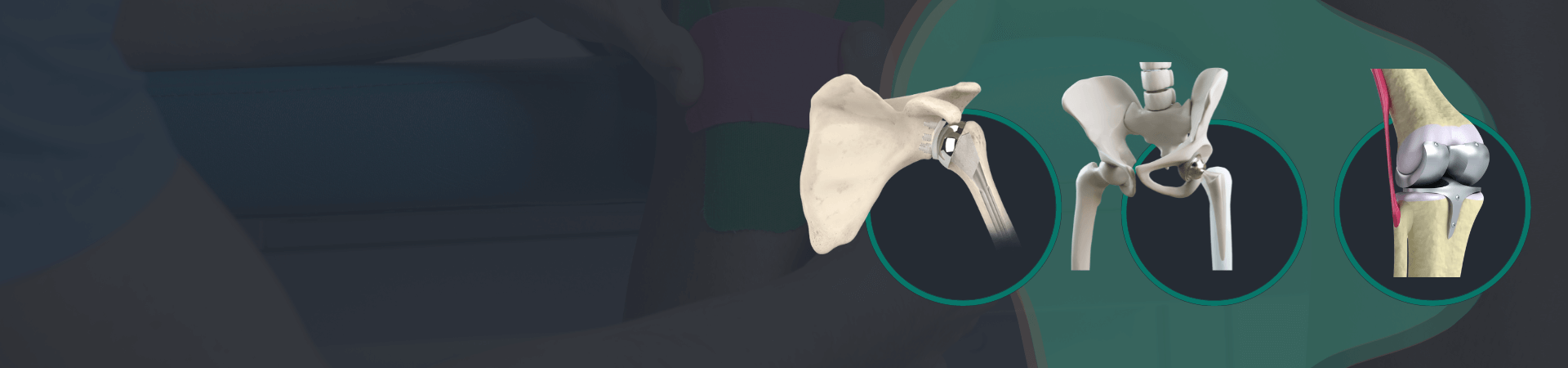
Common Myths About Robotic Surgery — Busted by Experts!

Technology is an integral part of our lives. The progress it has attained in the last few decades is remarkable. All sectors rely primarily on technology. The medical industry falls into this category, as it largely depends on technology.  Did you know that the orthopedic surgical robot market in India generated USD 27.5 million in 2023 and is expected to reach USD 57.3 million by 2030? (Source) This is evidence enough of the popularity of robotic surgery within the country of India. If you are struggling with the effects of arthritis or problems within your knees, the Orthopedic Robotic Surgery in Jaipur is the most effective treatment that will help you regain movement. Robotic surgery is one of the most revolutionary technologies in contemporary medicine, allowing for greater precision, reduced scar tissue, and faster healing time for many surgical procedures. While it is true that a growing number of facilities around the world are embracing this innovation, there exist many myths about it among the community, particularly the patients. These myths arise generally because of a misunderstanding of the innovation and its usage by surgeons. This article aims to give you a clearer explanation of such myths and their bases. We shall begin with the topic. Shall we?

Various Common Myths about Robotic Surgery

Knowing about robotic surgery is essential for making informed healthcare decisions. Robotic surgery is a tool used by trained surgeons; it is not a robot that acts on its own. Clearing up misunderstandings about robotic surgery can help patients feel more confident about it.

1. Robots perform surgery without a surgeon’s presence.

In reality, robotic surgery is robot-assisted surgery in which the surgeon maintains all control. The surgeon controls the robot outside the body, and the robot replicates those movements inside, creating a master-slave relationship. The robot enhances the surgeon’s abilities. For robotic surgery to be successful, the surgeon’s experience and skill are essential. Are you experiencing a ligament or sports injury? Then you should consult the best orthopedic robotic surgeon in Jaipur, who is supervised by a skilled physician. Also, you will get relief soon.

2. Robotic surgery is riskier.

Robotic surgery is not riskier than traditional surgery by nature. Robotic surgery often decreases the risk associated with open surgery procedures like the risk of bleeding, infection, and complications associated with a large incision wound. Robotic surgery equipment provides the surgeon the ability to perform the procedure accurately and offers a high-definition three-dimensional vision system that minimizes the chances of human errors.Like any operation, the risks are determined by the patient’s condition and the surgeon’s skill, not by the technology.

3. It is way too expensive.

One common argument against the widespread use of robotic surgery is its high cost. Robotic systems may ultimately deliver cost savings, even if their initial setup and maintenance are costly. Shorter hospital stays, reduced postoperative care, and fewer complications may mitigate the initial expense.

4. This surgery is only experimental.

Robotic surgery is also considered to be a safe and effective procedure, according to many studies. It is also efficient for various types of surgery and has been shown to have fewer complications than open surgery. It is also evident that patients have better outcomes with robotic surgery compared to older surgical methods. If you are planning orthopedic robotic surgery but are confused, the best Orthopedic Surgeon in Jaipur can help.

5. The recovery process is longer in robotic surgery.

Some patients believe that using cutting-edge technologies may lead to a longer recovery period. However, the reverse is also true: recovery times are shorter. Robotic procedures require less recovery time than conventional techniques since they are minimally invasive and cause little to no damage to the surrounding tissues.

Conclusion

Robotic surgery fears are primarily based on myths and not factual information. When experienced surgeons perform robotic surgery, they enhance accuracy and safety. This promotes positive results and rapid recovery. With this understanding, the patient is able to make well-informed decisions rather than being clouded with misconceptions concerning the technology as well as its functioning. Taking the advice of the expert ensures that the patient embarks on robot-assisted surgery without fear but confidence.

When Should You Visit a Hip Replacement Surgeon in Jaipur During Winter? A Complete Patient-Friendly Guide

For many people in Jaipur and across Rajasthan, winter brings a familiar problem: a sharp increase in hip stiffness, joint pain, and mobility issues. While a mild ache on cold mornings is common, persistent or worsening hip pain may indicate something more serious than weather changes. If you have been searching for “hip replacement surgeon in Jaipur”, “best orthopedic doctor in Rajasthan”, or “hip pain increases in winter what to do”, this guide will help you understand exactly when it’s time to seek a specialist, what symptoms you should never ignore, and why early evaluation can protect your long-term mobility.

Why Does Hip Pain Get Worse in Winter?

Patients often ask orthopedic doctors in Jaipur why joint pain spikes as soon as temperatures drop. Based on current medical understanding:

1. Cold weather tightens muscles and joints

Low temperatures make muscles stiffer and reduce joint lubrication, causing discomfort during movements like walking, climbing stairs, or getting up from bed.

2. Decreased physical activity

Shorter days and colder mornings reduce daily movement, making joints less flexible.

3. Pre-existing arthritis becomes more noticeable

People with osteoarthritis or age-related wear and tear feel stronger pain because the joint capsule responds sensitively to temperature changes.

4. Low barometric pressure

Some research suggests decreased atmospheric pressure may increase swelling inside joints, amplifying pain. Winter pain is not unusual, but continuous or increasing pain is not considered normal.

When Should You Visit a Hip Replacement Surgeon in Jaipur?

Here are clear signs that winter hip pain requires expert assessment from an orthopedic specialist or hip replacement surgeon.

1. Pain lasts longer than 2–3 weeks

If the pain does not settle even after home care, warm compress, and adequate rest, consultation is essential.

2. You experience hip pain at night

Night pain especially on turning in bed is a strong red flag indicating joint damage or advanced arthritis.

3. Difficulty walking, bending, or climbing stairs

Movement difficulty is one of the earliest signs that the hip joint is deteriorating faster than normal.

4. Hip “locking,” “catching,” or “grinding” sensations

These sensations indicate structural damage in the hip joint and should never be ignored.

5. Pain radiating to the thigh, groin, or knee

Hip problems often cause pain in neighboring areas. If winter worsens the radiation, seek medical evaluation.

6. Dependence on painkillers

If you are using painkillers daily to get through routine activities, it is time for a proper orthopedic examination.

7. Previous diagnosis of arthritis

Patients with early arthritis in Jaipur and Rajasthan’s dry climate experience rapid progression if not monitored.

Role of a Hip Replacement Surgeon and Why Early Evaluation Helps

A hip replacement surgeon in Jaipur is not only meant for advanced or last-stage arthritis. Most specialists help patients manage early-stage symptoms, delay surgery when possible, and improve long-term joint function. A timely check-up can help in:
  • Assessing joint damage with X-ray or MRI
  • Recommending physiotherapy or lifestyle modifications
  • Prescribing medicines to reduce inflammation
  • Preventing the hip joint from worsening
  • Planning surgery only when absolutely necessary

Self-Care Tips for Managing Hip Pain During Winter

These techniques can help reduce stiffness and pain naturally.

1. Warm compress therapy

Applying heat on the hip joint improves blood flow and reduces morning stiffness.

2. Daily stretching

Simple hip mobility exercises improve lubrication and reduce pain.

3. Warm clothing

Keeping hip muscles warm can significantly reduce joint stress.

4. Vitamin D monitoring

Rajasthan sees reduced sunlight in winter mornings. Low Vitamin D levels worsen joint pain.

5. Stay active

Light walking, indoor cycling, or physiotherapy keeps joints functional.

6. Maintain healthy weight

Less pressure on the hip means fewer pain episodes

Final say

Winter hip pain is common, but continuous or worsening discomfort is NOT normal and should not be ignored. If you are noticing reduced mobility, night pain, or stiffness in the cold months, consulting an experienced hip replacement surgeon in Jaipur can help diagnose the real cause and provide the right treatment before the condition progresses. Early intervention is the key to long-term mobility, comfort, and independence.

FAQs

1. Why does my hip pain increase in winter?

Cold weather makes joints stiff and reduces lubrication, especially in people with early arthritis.

2. Should I visit a hip replacement surgeon for winter pain?

Yes, if pain lasts more than 2–3 weeks or affects daily movement, you should consult a specialist in Jaipur.

3. Is hip replacement the only solution for chronic hip pain?

Not always. Many patients improve with physiotherapy, medicines, and lifestyle changes if treated early.

4. How do I choose the best hip replacement surgeon in Jaipur?

Look for experience, hospital facilities, patient reviews, and specialization in hip surgeries.

5. Can weather cause arthritis?

No, but winter can worsen symptoms of pre-existing joint damage

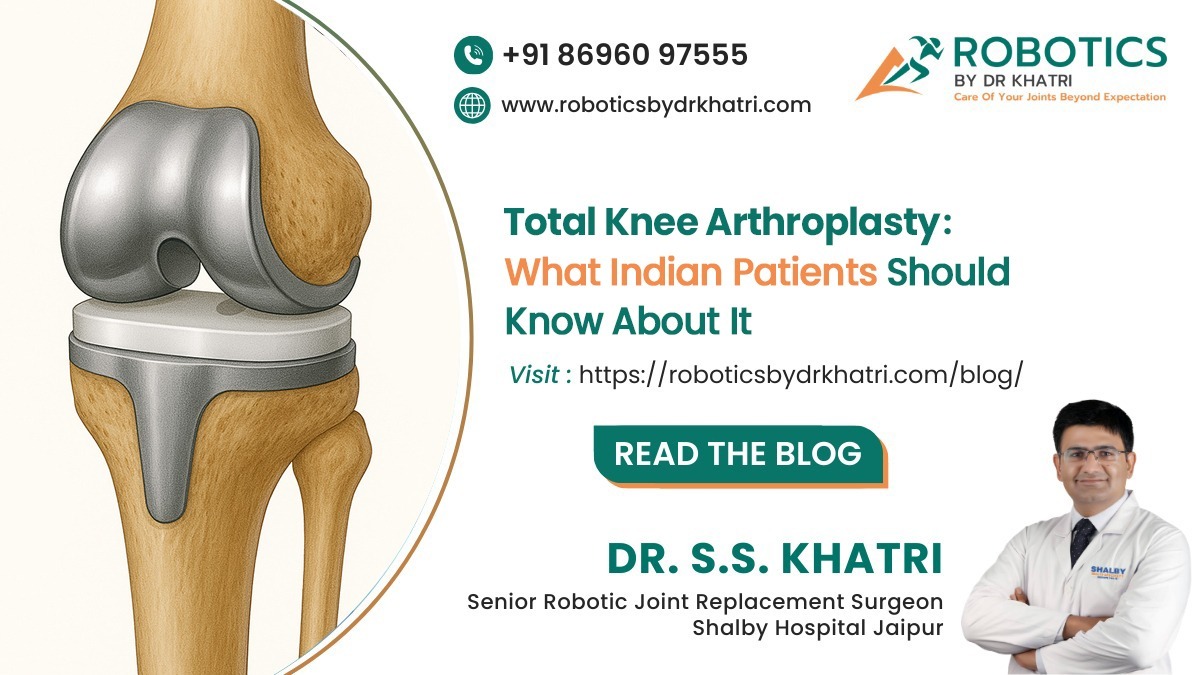
Total Knee Arthroplasty: What Indian Patients Should Know About It

Knee pain has quietly become one of the most common health issues in India. Whether it’s due to arthritis, old injuries, or years of strain on the joints, many people find it difficult to walk, climb stairs, or even rest without discomfort. When medication, injections, and physiotherapy stop helping, Total Knee Arthroplasty or Knee Replacement Surgery can offer real, lasting relief.

Understanding Total Knee Arthroplasty

In simple terms, Total Knee Arthroplasty (TKA) involves replacing the damaged surfaces of the knee joint with artificial components. These parts, made from strong medical metals and smooth plastic, work together like a natural joint — helping you move more easily and without constant pain. Over the past few years, knee replacement surgery in India has advanced rapidly. Many hospitals in Jaipur and across Rajasthan now use robotic and computer-assisted systems that make every step of the surgery more precise. These technologies help surgeons plan the operation in detail, place implants perfectly, and speed up recovery for patients.

When to Consider Surgery

Not everyone with knee pain needs surgery right away. But there are some clear signs when it may be time to discuss Total Knee Replacement with your doctor:
  • Pain that doesn’t ease even with rest or medication
  • Stiffness or swelling that limits movement
  • Trouble walking, climbing stairs, or standing for long
  • Pain that keeps you awake at night
If these symptoms are affecting your daily routine, an orthopedic consultation can help you understand your options. X-rays and physical evaluations reveal how much of the joint is damaged and whether replacement is the right choice.

What Happens During the Procedure: Total Knee Arthroplasty

In a Total Knee Arthroplasty, the surgeon removes the worn-out bone and cartilage from the joint and replaces them with smooth, durable implants. The goal is to restore alignment and make the knee move naturally again. With Robotic Knee Replacement Surgery, surgeons can use a detailed 3D model of your knee for guidance. This allows for smaller incisions, less tissue trauma, and faster healing.

Recovery After Surgery of Knee Arthroplasty

Most patients start walking with assistance within a day or two of surgery. Physiotherapy begins early and continues for a few weeks, helping you regain flexibility and strength. A balanced diet, proper rest, and consistent exercise play a major role in healing. By the third month, most people can resume normal daily activities comfortably.

Knee Replacement in India: The Modern Outlook

In India, knee replacement surgeries have become both safer and more affordable over the past decade. With improved surgical techniques, advanced implants, and specialized rehabilitation, patients are seeing excellent long-term outcomes. Cities like Jaipur are now leading centers for orthopedic care in Rajasthan, offering both traditional and robotic procedures.

What Doctors Say

Total Knee Arthroplasty is about more than just replacing a joint — it’s about regaining confidence, independence, and a better quality of life. With the expertise of skilled orthopedic surgeons in Jaipur and the availability of advanced robotic systems, Indian patients can look forward to moving pain-free again. If knee pain has been holding you back, consult an experienced orthopedic specialist and take the first step toward a healthier, more active future.

What You Should Know Before and After the Procedure: Hip Replacement Surgery in Jaipur

When simple things like walking, sitting, or climbing stairs start to hurt, life can become frustrating. For many people in Jaipur and across Rajasthan, hip pain slowly takes away their comfort and independence. But the good news is that modern Hip Replacement Surgery can help you move freely again without that constant pain or stiffness. Today, Hip Replacement Surgery in Jaipur has become a safe, effective, and reliable procedure. It allows patients to regain mobility, relieve chronic pain, and return to normal routines within a few months. If you or a loved one are considering this surgery, here’s a clear and honest look at what happens before, during, and after the procedure.

What Is Hip Replacement Surgery?

Hip Replacement Surgery (also called Total Hip Arthroplasty) is performed when the hip joint is badly damaged often due to arthritis, an old injury, or natural wear and tear. The damaged parts of the hip are removed and replaced with an artificial joint made from metal, ceramic, or medical-grade plastic. The goal is simple to restore movement and relieve pain that no longer responds to medicine or physiotherapy. Over the years, Total Hip Replacement Surgery in Jaipur has helped thousands of patients walk without pain, climb stairs comfortably, and return to an active lifestyle. It’s now considered one of the most successful orthopedic procedures worldwide.

When Should You Consider Hip Replacement Surgery?

It’s not always easy to decide when to move forward with surgery. You may already be trying medicines, physiotherapy, or exercise. But certain signs can mean your hip needs more help:
  • Pain that doesn’t go away even after rest or medication
  • Difficulty walking, sitting, or getting into a car
  • Hip pain that disturbs your sleep
  • Stiffness or limping that limits your day-to-day activities
If these symptoms sound familiar, it’s time to speak to an orthopedic surgeon in Jaipur. A detailed evaluation, including X-rays or scans, can help determine whether surgery is the right step for you.

Getting Ready for the Surgery

Preparation makes recovery easier and safer. Once your surgeon confirms you’re fit for hip replacement, you’ll be advised to undergo a few pre-surgery checks- blood tests, ECG, and X-rays. These help the team understand your health status and plan your surgery precisely. Here’s how you can prepare:
  • Stop blood thinners or other specific medications if advised
  • Eat a balanced diet and try to stay active before the surgery
  • Quit smoking to speed up healing
  • Prepare your home for easy movement, install grab bars, keep essentials close, and declutter walkways
  • Learn simple physiotherapy exercises that you’ll continue after the surgery
  • These small efforts help you recover faster and with fewer complications once the surgery is done.

What Happens During the Surgery

On the day of the procedure, anesthesia is administered to keep you comfortable. The surgeon then removes the damaged portion of the hip joint and replaces it with an artificial implant. In advanced hospitals, Robotic Hip Replacement Surgery in Jaipur is now available. This technology uses 3D imaging to create a digital model of your hip, allowing the surgeon to plan each step precisely. The robotic system helps in achieving perfect implant placement, smaller incisions, and quicker recovery. The entire process usually takes two to three hours. After the surgery, you’ll be monitored closely before being moved to your hospital room.

Life After Surgery: Recovery and Rehabilitation

The real healing begins after surgery. You’ll start gentle movements and light walking usually within a day or two under supervision. Physiotherapy becomes your best friend during this time. A physiotherapist will help you learn how to move safely, strengthen your muscles, and improve flexibility. These sessions ensure your new joint adjusts well and functions naturally.
  • Within a few weeks, you’ll notice progress:
  • Pain and stiffness gradually reduce
  • Walking becomes easier
  • You regain strength and stability
  • Sleep quality improves
Most patients return to normal life within two to three months, though complete healing may take up to a year.

Making Recovery Easier- Hip Replacement Surgery in Jaipur

The recovery phase requires patience, care, and consistency. Following a few simple tips can make a big difference:
  • Stick to your physiotherapy routine
  • Avoid bending your hip beyond 90° for the first few weeks
  • Use a walker or cane until your balance improves
  • Eat calcium- and protein-rich foods to strengthen your bones
  • Get enough rest and stay hydrated
Healing takes time, but with steady effort, you’ll get back to a pain-free and active lifestyle sooner than you think.

Living Well After a Hip Replacement

After recovery, you’ll be able to move more freely and enjoy your favorite activities again. However, taking care of your new joint is essential for long-term success.
  • Here are a few simple lifestyle habits to protect your new hip:
  • Maintain a healthy weight to reduce pressure on the joint
  • Prefer low-impact exercises like walking, swimming, or cycling
  • Avoid high-impact sports such as running or jumping
  • Listen to your body — don’t ignore pain or swelling
  • Visit your orthopedic surgeon in Jaipur for regular follow-ups
  • With the right care, your new hip can last 15–20 years or even longer.

Final Thoughts on Surgery for Hip Replacement

Hip pain shouldn’t control your life. With the availability of Hip Replacement Surgery in Jaipur, patients can now walk, sit, and move without constant discomfort. Whether you need a Total Hip Replacement or a Robotic Hip Replacement, modern surgical techniques and skilled orthopedic experts make the process safer and more precise than ever before. If chronic hip pain has been limiting your daily routine, consult a qualified orthopedic surgeon in Rajasthan. With the right medical advice, preparation, and care, you can get back to living life on your terms- pain-free and active.

Why Your Knee Still Hurts Months After Replacement?

Knee replacement surgery is often seen as the ultimate fix for chronic knee pain; a way to get back to walking comfortably, exercising, and living fully again. But what if months have passed and your knee still hurts? You’re not alone, and it doesn’t always mean something went wrong. Persistent discomfort after knee replacement can happen for several reasons, and understanding them is the first step to recovery.

Understanding Post-Surgery Knee Pain

After a total knee replacement, the body needs time to adjust to the new joint. The muscles, ligaments, and soft tissues around the knee have to relearn movement and strength patterns that changed over time. So, mild pain, swelling, and stiffness for a few months are expected especially when walking long distances, climbing stairs, or sitting for long periods. But pain that continues beyond 3–6 months may signal other underlying issues that deserve medical evaluation.

Common Reasons for Ongoing Knee Pain After Replacement

1. Soft Tissue or Muscle Healing

Even when the artificial joint is functioning perfectly, surrounding tissues may take longer to heal. Tightness or pulling sensations around the knee are common and usually improve with continued physiotherapy.

2. Inflammation or Scar Tissue Formation

Scar tissue (arthrofibrosis) can limit flexibility and cause persistent stiffness or pain. Early and consistent movement exercises are key to preventing it.

3. Infection

Though rare, deep joint infections can cause continuous pain, swelling, redness, or warmth around the knee. This requires immediate medical attention and may need antibiotics or additional surgery.

4. Implant Loosening or Misalignment

In a small number of cases, the prosthetic implant may loosen or not align perfectly over time, leading to mechanical pain. Robotic-assisted surgeries greatly reduce this risk by ensuring precise alignment during the procedure.

5. Nerve Pain or Sensitivity

Sometimes, nerves around the incision become hypersensitive. This may feel like burning, tingling, or shooting pain. Desensitization exercises or medication can help manage this.

6. Overactivity or Weak Muscles

Trying to do too much too soon like returning to heavy physical work can stress the healing knee. Weak thigh muscles also contribute to joint discomfort.

What You Can Do to Relieve Pain

1. Stay Consistent with Physiotherapy

Skipping exercises can slow healing. Controlled stretches and strengthening routines help restore flexibility and stability.

2. Use Cold & Heat Therapy

Ice packs reduce swelling, while gentle heat soothes stiff muscles.

3. Maintain a Healthy Weight

Every extra kilo puts more pressure on your new joint. Losing even a little weight can significantly reduce pain.

4. Follow Up with Your Surgeon

If pain persists beyond 3–6 months, don’t ignore it. An X-ray or scan can help detect hidden causes like implant issues or bone inflammation.

5. Opt for Low-Impact Activities

Replace high-stress activities with swimming, cycling, or yoga. These help strengthen the knee safely.

When to See Your Doctor If You Feel Pain After Knee Replacement Surgery?

You should consult your orthopedic specialist immediately if:
  • Pain increases instead of improving over time
  • The knee feels hot, red, or swollen
  • You develop fever or discharge near the incision
  • The joint feels unstable or clicks painfully while walking
  • Timely intervention ensures faster recovery and protects your new knee joint.
Persistent pain after knee replacement doesn’t always mean something is wrong but it’s a signal that your body needs more care or evaluation. In most cases, simple factors like muscle weakness or scar tissue can be treated with guided physiotherapy and patience. But when pain continues for months, a thorough review by an orthopedic expert is essential. With advances in technology like robotic knee replacement, patients in India today have access to safer, more precise, and faster-healing options than ever before. So if your knee still hurts months after surgery, don’t lose hope, the right diagnosis and care can help you walk pain-free again.

Hip Replacement Surgery in India: How It Works & Recovery Timeline

Living with hip pain can be exhausting. When every step, every bend, or even sitting down feels uncomfortable, life starts to shrink around that pain. For many people, hip replacement surgery becomes a way to take life back to walk without hesitation and move without fear. If you or someone you love has been advised to consider hip replacement surgery, this guide explains everything you need to know from what the surgery involves and how long it takes, to the recovery timeline, costs in India, and what to expect week by week.    

What Is Hip Replacement Surgery?

Hip replacement surgery (also known as total hip arthroplasty) is a medical procedure that replaces the damaged or worn-out parts of your hip joint with artificial implants. The hip joint is a ball-and-socket joint the “ball” at the top of your thigh bone (femur) fits into a “socket” in your pelvis. When arthritis, injury, or age-related wear damages this joint, simple movements can become painful or stiff. A hip replacement removes those damaged parts and replaces them with smooth, durable materials (often metal, ceramic, or high-grade plastic). The goal is simple: restore movement and relieve pain.  

Types of Hip Replacement Surgery

Not all hip replacements are the same. The right type depends on your condition, age, bone quality, and lifestyle.

1. Total Hip Replacement (THR):

Both the ball and socket are replaced. This is the most common and effective procedure.

2. Partial Hip Replacement:

Only the femoral head (ball) is replaced. Usually done after a fracture or limited joint damage.

3. Hip Resurfacing:

Instead of removing the entire ball, the surface is trimmed and capped with metal. Preferred for younger, active patients.

4. Minimally Invasive or Robotic Hip Replacement:

Advanced techniques using smaller incisions and precision-guided tools for faster recovery and improved alignment. Modern technology,  especially robot-assisted hip replacement allows orthopedic surgeons to perform the surgery with remarkable accuracy. This helps minimize soft tissue damage and speeds up recovery.  

How Long Does a Hip Replacement Take?

A hip replacement usually takes about 1 to 2 hours, depending on the surgical technique and whether it’s a total or partial replacement. During this time:
  • You’ll receive anesthesia (spinal or general).
  • The surgeon removes the damaged bone and cartilage.
  • The artificial joint components are securely fitted in place.
  • The incision is closed and dressed.
After surgery, you’ll spend some time in the recovery room before being moved to your hospital room for observation.  

Hip Replacement Recovery Time: What to Expect

Recovery after hip replacement is a gradual process but with the right care, most patients regain mobility and independence faster than they expect. Here’s a week-by-week recovery guide.

Week 1: Immediate Post-Surgery Phase

  • You’ll stay in the hospital for 3–5 days.
  • Pain and swelling are normal, but controlled through medication.
  • Physiotherapists begin gentle exercises to strengthen muscles and prevent stiffness.
  • You may start walking with a walker or crutches by the 2nd or 3rd day.
Goal: Manage pain, begin mobility, and prevent complications.

Week 2–3: Early Recovery at Home

  • Most patients are discharged with clear exercise instructions.
  • You’ll slowly increase your walking distance and movement.
  • Stitches or staples (if any) may be removed around this time.
  • You’ll likely need assistance at home but will start feeling stronger each day.
Goal: Regain balance and confidence while walking short distances.

Week 4–6: Regaining Independence

  • Pain should significantly reduce by now.
  • You’ll start moving more comfortably- climbing stairs, bathing, and doing light chores.
  • Physiotherapy continues to focus on strengthening hip muscles and improving flexibility.
Goal: Walk independently with minimal support.

Week 7–12: Building Strength and Endurance

  • You’ll resume most normal activities and feel like yourself again.
  • Some mild stiffness or soreness after long walks is normal.
  • Regular physiotherapy helps in maintaining range of motion and strengthening the joint.
Goal: Return to routine life, low-impact sports, or light workouts.

After 3 Months: Full Recovery Phase

By the end of 3–6 months, most patients enjoy a pain-free hip joint and full range of motion. You can return to driving, light jogging, or cycling (after your surgeon’s approval). Consistency with physiotherapy and lifestyle adjustments is key. Avoid high-impact activities like running or jumping unless specifically cleared by your doctor.

Recovery Tips for Faster Healing

Here are some patient-tested tips that help speed up hip replacement recovery:
  • Follow your physiotherapy schedule; even small daily exercises make a big difference.
  • Eat a balanced, protein-rich diet; it helps tissues and muscles repair faster.
  • Avoid sitting too low or crossing your legs; these can strain the new joint.
  • Keep the incision area clean and dry; follow all wound-care instructions.
  • Get regular follow-ups; your surgeon will monitor healing and alignment.
  • Stay positive and patient; mental readiness plays a huge role in recovery.

What Influences Recovery Time?

Each patient heals differently, but a few key factors affect how quickly you bounce back:
  • Age and general health
  • Type of surgery (traditional vs. minimally invasive)
  • Pre-surgery activity level
  • Post-surgery rehabilitation
  • Weight and bone health
At advanced orthopedic centers across India, robotic precision surgeries are increasingly preferred because they reduce blood loss, pain, and recovery time.  

The Role of Robotics in Hip Replacement

Modern orthopedic surgery has evolved dramatically. Robot-assisted hip replacement uses real-time imaging and computerized mapping to help surgeons achieve near-perfect implant positioning. This precision leads to:
  • Better alignment and longer implant life
  • Less pain and faster recovery
  • Minimal scarring and reduced hospital stay
At Robotics by Dr. Khatri, such technologies are integrated into patient care to ensure accurate, safe, and efficient surgeries. Patients often notice that their recovery feels smoother and more confident because of the precision and predictability robotics offers.  

Frequently Asked Questions (FAQs)

1. How painful is hip replacement surgery?

You’ll experience mild discomfort after surgery, but pain is well managed with medication and gradually decreases within weeks.

2. How long will my hip replacement last?

With proper care, most modern implants last 15–25 years or more.

3. Can both hips be replaced at once?

Yes, if medically suitable. This is called a bilateral hip replacement and helps avoid two separate recoveries.

4. When can I drive again after hip replacement surgery?

Usually after 6–8 weeks, depending on recovery and your doctor’s advice.

5. Is robotic hip replacement better?

Robotic technology ensures greater precision, shorter recovery time, and more natural joint movement, especially beneficial for younger or active patients.